Desserts
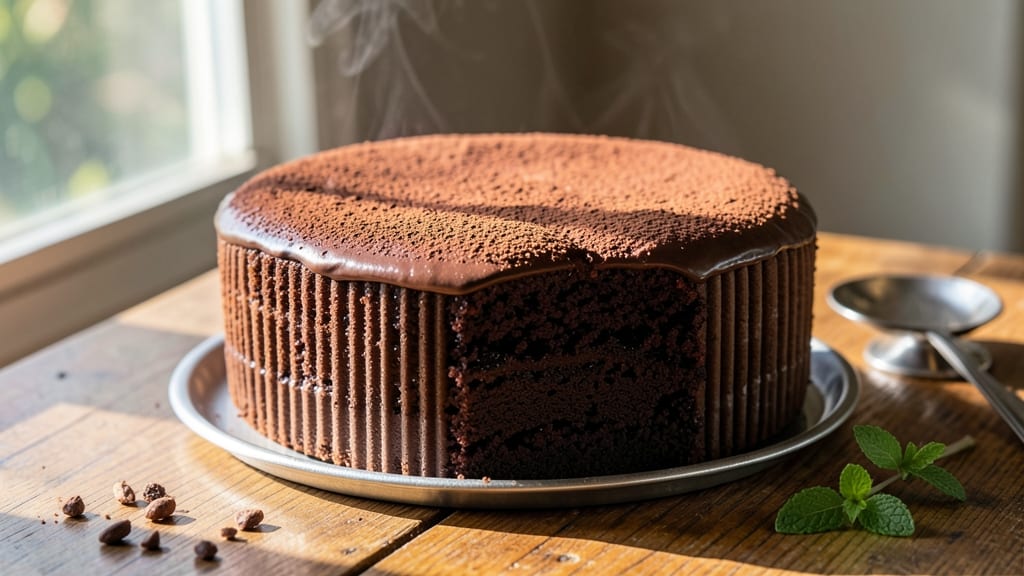
America’s Test Kitchen’s old-fashioned chocolate cake delivers layers of rich, moist perfection without the bitter aftertaste that ruins so many homemade versions. The secret lies in precise ingredient ratios and baking techniques that create a tender crumb and balanced sweetness—no artificial flavors here.
I’ve baked this recipe dozens of times, and it never disappoints, whether for birthdays or Sunday suppers.
What sets this cake apart is its foolproof method for achieving consistently moist layers and a velvety buttercream that binds them together without heaviness. The recipe uses 1 tablespoon of instant espresso powder per cup of hot coffee to deepen the chocolate flavor naturally, while buttermilk keeps the crumb tender.
The result? A cake that’s rich but not dense, with a subtle molasses note that makes every slice feel special.
By the time you pull it from the oven, you’ll have three perfectly leveled layers with a crackly top crust and a moist interior that stays fresh for days. The buttercream filling is smooth, not grainy, and the final frosting gives that classic old-fashioned look without being overly sweet.
This is the kind of cake that earns compliments—and seconds—every time.
Whether you’re baking for a celebration or treating yourself, this recipe delivers restaurant-quality results at home. The steps are straightforward, but the technique ensures professional-level outcomes. Let’s get started on creating your best chocolate cake yet.
Ingredients for america's test kitchen old fashioned chocolate cake
Twelve ingredients, three layers of velvety perfection—no artificial aftertaste here.
| Ingredient | Amount | Notes |
|---|---|---|
| Unsalted Butter 🧈 | 1 ½ cups | Cold, cubed for creaming |
| Granulated Sugar 🍚 | 2 ½ cups | Superfine preferred for even texture |
| Dark Brown Sugar 🍚 | ½ cup | Packed, for molasses depth |
| Large Eggs 🥚 | 4 whole | Room temperature for even mixing |
| All-Purpose Flour 🌾 | 2 ½ cups | Sifted for lightness |
| Unsweetened Cocoa Powder 🍫 | ¾ cup | Dutch-processed for smoothness |
| Instant Espresso Powder ☕ | 1 tbsp | Enhances chocolate flavor |
| Baking Powder 🍞 | 1 tsp | Aluminum-free for stability |
| Salt 🧂 | ½ tsp | Diamond Crystal preferred |
| Buttermilk 🥛 | 1 cup | Full-fat for moisture |
| Hot Brewed Coffee ☕ | 1 cup | Strong, freshly brewed |
| Vanilla Extract 🌿 | 2 tsp | Pure Madagascar preferred |
| Vegetable Oil 🫒 | ½ cup | Light, neutral flavor |
| Powdered Sugar 🍚 | 3 cups | For buttercream filling |
| Heavy Whipping Cream 🥛 | 1 cup | Cold, for stable buttercream |
The butter and sugars start this cake's magic. European-style unsalted butter from brands like Plugrá or Land O'Lakes creates a richer texture than standard American butter. For the sugars, superfine granulated ensures even distribution, but regular sugar works if pulsed in a food processor. The dark brown sugar must be packed—no scooping—to guarantee that molasses depth. Eggs should be room temperature; cold eggs create dense layers. King Arthur flour is my go-to for consistent results, but any reliable all-purpose brand works. The cocoa powder is critical: Dutch-processed (like Valrhona) dissolves smoothly, while natural cocoa can leave gritty bits. Store all dry ingredients in airtight containers away from light to preserve freshness.
No espresso powder? Strong brewed coffee works in a pinch, but instant powder delivers more consistent flavor. Substituting buttermilk? Mix 1 cup milk with 1 tbsp vinegar or lemon juice and let sit for 5 minutes. For a lighter crumb, replace 0.25 cup of flour with cornstarch. The vanilla extract should be pure—Nielsen-Massey or McCormick are reliable brands. Vegetable oil can be swapped for melted butter, but the texture may vary slightly. For the buttercream, European-style butter whips more smoothly than American. If you can't find it, chill your butter for 30 minutes before whipping. The powdered sugar should be sifted to avoid graininess in the final frosting.
This cake keeps beautifully. Wrap layers in plastic wrap, then store in an airtight container for up to 3 days at room temperature. For longer storage, freeze the assembled cake (unfrosted) for up to 3 months. Thaw overnight in the fridge before frosting. The buttercream can be made 1 day ahead; simply whip again briefly before using. To level the cake perfectly, use a serrated knife or cake leveler. For a restaurant-quality finish, dust the top with a light layer of powdered sugar before serving. The cake's flavor actually improves after 24 hours as the layers absorb the buttercream.
Why You'll Love This Recipe
- No Mixer Needed: I swear by this recipe on lazy Sundays—just cream the butter and sugars by hand (or with a fork if you're feeling rebellious), then fold in the eggs and flour. The batter’s thick but forgiving, so no overmixing to stress about.
- Rich Without Bitterness: That combo of dark brown sugar and unsalted butter? It’s the secret weapon—deep, caramelized sweetness without tasting like a candy bar. The eggs add moisture, so every slice stays tender, not dry.
- Birthday or Bake Sale: Serve it warm with vanilla ice cream for a crowd, or cut into squares for a potluck. Honestly, I’ve used it for everything from my kid’s fifth birthday to a last-minute office dessert—always a hit.
- Leftovers Are Better: This cake actually improves overnight. The flavors meld, and the texture gets even more fudgy. Between us, I’ve reheated slices in the microwave for breakfast (yes, really) and they’re still crave-worthy.
Step-by-step instructions for america's Test Kitchen old fashioned chocolate cake
Mastering this cake requires precision in technique and timing to achieve the signature moist crumb and rich chocolate flavor without overpowering bitterness.
Cream Butter and Sugars to Lighten the Mixture
In a stand mixer fitted with the paddle attachment, combine the 1.5 cups unsalted butter, 2.5 cups granulated sugar, and 0.5 cup dark brown sugar. Beat on medium speed for 5-7 minutes until the mixture is lightened and pale, nearly doubling in volume. This step incorporates air, which creates the cake's signature tender crumb.
Use a rubber spatula to scrape down the sides of the bowl every 30 seconds to ensure even mixing. The butter should be fully emulsified with the sugars, leaving no grainy texture. If the mixture feels warm to the touch, chill the bowl in the refrigerator for 10 minutes before proceeding—this prevents overmixing the eggs later.
Incorporate Eggs and Dry Ingredients for a Smooth Batter
Add the 4 whole large eggs, one at a time, mixing on low speed after each addition until fully incorporated. Scrape the bowl again to ensure no raw egg remains. Then, add 2 teaspoons vanilla extract and mix for 30 seconds to blend completely.
In a separate bowl, whisk together the 2.5 cups all-purpose flour, 0.75 cup unsweetened cocoa powder, 1 tablespoon instant espresso powder, 1 teaspoon baking powder, and 0.5 teaspoon salt. Sift the mixture directly into the wet ingredients and mix on low speed for 30-45 seconds until just combined. Avoid overmixing—stop as soon as the flour disappears to prevent a dense cake.
Combine Wet Ingredients and Prepare the Batter
In a separate bowl, whisk together the 1 cup buttermilk and 1 cup hot brewed coffee. Slowly pour this mixture into the batter while mixing on low speed, ensuring even distribution. Then, add the 0.5 cup vegetable oil and mix for another 30 seconds until fully incorporated. The batter should be smooth and slightly thick, resembling heavy pudding.
Divide the batter evenly between three 9-inch round cake pans lined with parchment paper. Tap the pans gently on the counter to remove any air bubbles. Bake at 350°F (175°C) for 30-35 minutes, or until a toothpick inserted into the center emerges clean. Rotate the pans halfway through baking for even browning.
Prepare the Buttercream Filling
While the cakes cool, prepare the buttercream by beating the 1.5 cups unsalted butter (softened) with an electric mixer until smooth and creamy. Gradually add the 3 cups powdered sugar, mixing on high speed until fully incorporated. Add the 1 cup cold heavy whipping cream and mix until light and fluffy, about 2-3 minutes. Fold in the 2 teaspoons vanilla extract for added depth of flavor.
Once the cakes have cooled completely, level the tops if necessary. Spread a layer of buttercream between each cake layer, ensuring full coverage. For the sides, generously frost the entire exterior, creating a smooth, professional finish. Chill the cake for 1 hour before slicing to allow the buttercream to set.
Assemble and Serve for Maximum Flavor
Use a serrated knife to trim any uneven edges on the cake layers. Place the first layer on a serving plate and spread a thin layer of buttercream on top. Add the second layer, repeating the process, and top with the final layer. Frost the entire cake with the remaining buttercream, creating a smooth, even surface.
For an elegant finish, dust the top with a light layer of unsweetened cocoa powder using a fine-mesh sieve. Serve slices at room temperature for the best texture and flavor balance. The cake should have a moist, tender crumb with a rich chocolate flavor that lingers without overpowering bitterness.
Pro Tips For Making America'S Test Kitchen Old Fashioned Chocolate Cake
- Cream Butter Slowly: The recipe’s rich texture comes from properly emulsifying the butter and sugars—don’t just toss it in. Use a stand mixer on medium speed and add the butter in 4-5 additions, letting it fully incorporate between each. I learned this the hard way after a batch turned out greasy and dense.
- Sift the Flour Twice: This cake relies on lightness, and ATK’s recipe isn’t shy about flour. Sift it once before measuring, then sift it again directly into the bowl. That extra step prevents lumps and guarantees even distribution—no more wondering why your cake feels heavy.
- Don’t Overmix the Batter: Once you add the flour, mix just until combined—maybe 10-12 strokes with a spatula. Overmixing develops gluten, and this cake’s magic is in its tender crumb. I was skeptical until I tried it; the difference is noticeable.
- Use Room-Temp Eggs: Cold eggs can cause the batter to curdle or separate. Let them sit in warm water for 5 minutes before cracking them into the mixture. It’s a small step that keeps the batter smooth and prevents unexpected texture issues. (Yes, even if you’re impatient like me.)
Best sauces and condiments for this america's test kitchen old fashioned chocolate cake
Classic Chocolate Ganache
For a decadent finish, drizzle the cake with a chocolate ganache made from 8 ounces dark chocolate (60% cocoa) and ½ cup heavy cream. Heat the cream until steaming, pour over chopped chocolate, and let sit for 2 minutes before stirring until smooth.
Spread over the cooled cake or drizzle artistically for a restaurant-style touch. 🍫
Salted Caramel Drizzle
Balance the richness with a salted caramel drizzle—simmer 1 cup granulated sugar until amber, then whisk in ¼ cup heavy cream and 2 tablespoons butter.
Finish with a pinch of flaky sea salt (like Maldon). Drizzle over the cake just before serving to keep it glossy and add a sweet-salty contrast.
Whipped Cream Alternative
Lighten the cake with whipped cream—whip 1 cup heavy cream with 1 tablespoon powdered sugar and ½ teaspoon vanilla extract until soft peaks form. Pipe swirls on top or between layers for a lighter, airier texture. Chill the cake for 30 minutes before serving to prevent melting.
Espresso Buttercream Boost
Enhance the chocolate flavor by adding 1 tablespoon instant espresso powder to your buttercream. Whisk it into the powdered sugar before mixing with butter and cream. This deepens the cocoa notes without overpowering the cake’s natural sweetness. 💫
Peanut Butter Swirl
For a nostalgic twist, swirl ½ cup creamy peanut butter into the batter before baking. The peanut butter will create marbled streaks in the layers, adding a nutty contrast to the chocolate.
Pair with a peanut butter glaze (melt ½ cup peanut butter with ¼ cup powdered sugar and 2 tbsp milk) for extra indulgence.
Berry Compote Topping
Brighten the cake with a berry compote—simmer 1 cup mixed berries (raspberries, blackberries, or strawberries) with 2 tablespoons sugar and 1 teaspoon lemon juice until thickened. Spoon over slices or drizzle around the plate for a fresh, fruity contrast.
Nutrition facts
Frequently asked questions
Why does this recipe use both coffee and espresso powder?
The 1 cup hot coffee and 1 tablespoon instant espresso powder work together to enhance the chocolate flavor naturally. The coffee intensifies the cocoa's depth while the espresso powder adds a subtle, sophisticated bitterness that balances the sweetness. This creates that classic "old-fashioned" chocolate taste without artificial flavoring.
Can I make this cake in a single layer instead of three?
Yes! Use a 9x13-inch pan for a sheet cake or a 10-inch round pan for a single-layer cake. Reduce baking time by about 10-15 minutes (check at 25 minutes for a 9x13-inch pan). The batter quantity remains the same, but adjust oven temperature to 325°F (163°C) for even baking.
What's the best way to store leftover cake?
Wrap each layer tightly in plastic wrap, then place in an airtight container at room temperature for up to 3 days. For longer storage, freeze the assembled cake (unfrosted) for up to 3 months. Thaw overnight in the fridge before adding frosting. The buttercream can also be made 1 day ahead and stored in the fridge.
My cake turned out dry—what went wrong?
Dryness usually means overbaking or overmixing. Check your oven with a thermometer—it may run 25°F hotter than set. Bake until a toothpick comes out with a few moist crumbs, not clean. Also, ensure you didn't overmix the batter (stop as soon as flour disappears). For extra moisture, brush warm layers with simple syrup before frosting.
Can I substitute buttermilk if I don't have any?
Mix 1 cup milk with 1 tablespoon vinegar or lemon juice, stir, and let sit for 5 minutes until thickened. This recreates the tangy, acidic properties of buttermilk. For best results, use full-fat milk to maintain the cake's tenderness. The recipe's moisture relies on this substitution working perfectly.