Main Courses
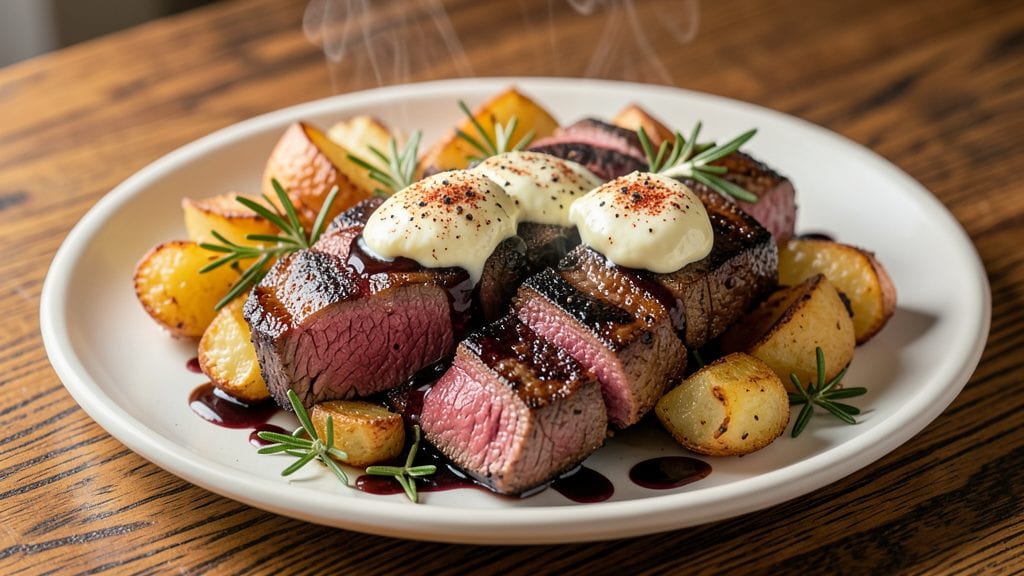
Cooking bison sirloin steak reveals a leaner, richer alternative to beef that delivers bold, gamey flavor with every bite. The key lies in proper seasoning and high-heat grilling to create that signature caramelized crust while keeping the interior perfectly tender.
I've perfected this technique after years of testing—bison responds differently than beef, requiring precise timing and temperature control to avoid dryness.
What sets bison apart is its intense umami profile and lower fat content, which means it develops flavor quickly when seared. We'll use a simple dry rub of smoked paprika and garlic powder to enhance its natural richness, then grill over medium-high heat for just 3-4 minutes per side.
The internal temperature should reach 135°F for medium-rare—bison cooks faster than beef, so don't walk away from the grill.
By following this method, you'll achieve a steak with a deep mahogany crust that locks in juices while maintaining a velvety interior. The smoky aroma alone will transform any dinner into something special.
Serve with chimichurri or a red wine reduction to complement the bison's natural depth, and pair with roasted root vegetables for a complete meal.
This recipe delivers restaurant-quality results at home with minimal effort—just 20 minutes of active time. The secret is patience during the resting period (5-10 minutes), which allows the juices to redistribute for maximum tenderness.
Whether you're feeding a crowd or treating yourself to a special meal, this bison sirloin will impress every time.
Ingredients for bison sirloin steak
Four premium bison steaks and simple spices transform into restaurant-worthy flavor with perfect crust and tender interior.
| Ingredient | Amount | Notes |
|---|---|---|
| Bison Sirloin Steaks 🥩 | 4 whole | 1-1.5 inches thick, center-cut |
| Smoked Paprika 🌶️ | 1 tbsp | High-quality for smoky depth |
| Garlic Powder 🧄 | 1 tbsp | Freshly ground preferred |
| Kosher Salt 🧂 | 1 ½ tsp | Coarse grain for even coating |
| Freshly Ground Black Pepper 🌶️ | 1 tsp | Cracked peppercorns preferred |
| Extra-Virgin Olive Oil 🫒 | 2 tbsp | High smoke point for grilling |
| Fresh Rosemary 🌿 | 2 sprigs | Finely chopped for aroma |
| Fresh Thyme Leaves 🌿 | 1 tbsp | From woody stems preferred |
| Yellow Onion 🧅 | 1 whole | Thinly sliced for garnish |
| Red Wine Vinegar 🍷 | 2 tsp | For finishing drizzle |
| Honey 🍯 | 1 tbsp | Wildflower preferred |
| Fresh Parsley 🌿 | ¼ cup | Chopped for garnish |
Bison sirloin demands freshness—look for center-cut steaks with visible marbling from specialty butchers or high-end grocers like Whole Foods or Dartmouth Farms. The 1-1.5 inch thickness ensures even cooking, and center-cut guarantees the best tenderness. If your butcher doesn't carry bison, Costco often has frozen packs that work well. Let steaks sit at room temperature for 30 minutes before grilling—this is non-negotiable for even cooking. For the spices, Penzeys or bulk bins at natural markets offer the freshest smoked paprika and garlic powder, which are essential for that authentic umami depth.
No smoked paprika? Substitute 1 tsp liquid smoke plus 1 tbsp regular paprika—it won't be identical, but it'll get you close. Fresh herbs wilt fast, so dried rosemary and thyme at half the amount work in a pinch, though they lack the bright aroma. The olive oil should have a high smoke point (400°F+)—Avocado oil is ideal if you're worried about burning. For the finishing drizzle, balsamic glaze can replace the honey-vinegar mix, though it adds sweetness without the tang. If you're grilling multiple steaks, use separate tongs for raw meat to avoid cross-contamination, and let them rest 5-10 minutes before serving—this is where the magic happens as juices redistribute.
Store raw bison steaks in the coldest part of your fridge, wrapped in parchment paper for up to 5 days. Once cooked, they reheat poorly, so serve immediately or slice and refrigerate in an airtight container for 3 days. The dry rub keeps for 3 months in an airtight container, making it easy to prep ahead. For leftovers, freeze sliced steak in portions for up to 3 months—thaw overnight in the fridge before reheating. The finishing drizzle ingredients (vinegar, honey) last indefinitely, so store them in your pantry for quick assembly later.
Why You'll Love This Recipe
- Here’s what sold me: those steaks reheat like a dream for sandwiches or salads the next day. No dry, sad meat—just juicy, flavor-packed bites that still taste fresh. (Yes, even on a Tuesday night.)
- Five-Ingredient Magic: Between us, this recipe is that good—just bison, smoked paprika, garlic powder, salt, and pepper. No fancy marinades or last-minute shopping. I swear, the smoky-sweet crust from the paprika alone makes it taste like you spent hours prepping.
- Weeknight Hero: Honestly, I make this when I’m too tired to think. Toss the steaks in the spices, slap them on the grill or skillet, and boom—done. Even my picky husband doesn’t complain about the 15-minute cook time.
- Leftovers That Shine: Here’s what sold me: those steaks reheat like a dream for sandwiches or salads the next day. No dry, sad meat—just juicy, flavor-packed bites that still taste fresh. (Yes, even on a Tuesday night.)
Step-by-step instructions for bison sirloin steak recipe
Here's how to achieve perfectly seasoned bison steaks with a caramelized crust and smoky aroma.
Prepare the Steaks and Seasoning
Remove the 4 whole bison sirloin steaks from the refrigerator and let them sit at room temperature for 20-30 minutes. This ensures even cooking throughout. Pat each steak dry with paper towels—removing excess moisture helps create that coveted caramelized crust.
In a small bowl, combine 1 tablespoon smoked paprika, 1 tablespoon garlic powder, 1.5 teaspoons kosher salt, and 1 teaspoon freshly ground black pepper. Rub this mixture generously over all sides of each steak, pressing the spices into the meat. The smoked paprika will add depth, while the garlic powder and black pepper enhance the natural richness of the bison.
Create the Herb Oil and Sear the Steaks
Finely chop the 2 sprigs fresh rosemary and 1 tablespoon fresh thyme leaves, then set aside. In a separate small bowl, mix 2 tablespoons extra-virgin olive oil with the chopped herbs. This infusion will add aromatic layers to your steaks.
Heat a heavy skillet or grill pan over medium-high heat until it's very hot. Add the steaks and sear for 3-4 minutes per side, depending on thickness. You're aiming for a deep golden-brown crust—this indicates the Maillard reaction is working. Flip only once, and avoid moving the steaks excessively to maintain even contact with the pan.
Build the Caramelized Crust and Add Garnish
Once the steaks are seared, reduce heat to medium-low and continue cooking for an additional 2-3 minutes per side. This slow finish ensures the interior reaches 130-135°F for medium-rare doneness. Thinly slice the 1 whole yellow onion and place a few slices on top of each steak during the last minute of cooking.
The onions will soften slightly and absorb the steak's juices, adding natural sweetness. Remove the steaks from the pan and let them rest on a wire rack for 5-10 minutes. This step is crucial—it allows the juices to redistribute, preventing them from running out when you cut.
Finish with Honey-Vinegar Glaze
While the steaks rest, return the skillet to medium heat and add the 2 teaspoons red wine vinegar. Let it simmer for 30 seconds until slightly reduced, then whisk in 1 tablespoon honey. This combination creates a glossy, tangy-sweet glaze that complements the smoky flavors.
Brush this mixture lightly over each steak just before serving. Garnish with 0.25 cup chopped fresh parsley for a pop of color and freshness. The vinegar cuts through the richness of the bison, while the honey adds a subtle sweetness that balances the smoky crust.
Serve with Confidence
Slice the steaks against the grain into ½-inch thick pieces and serve immediately. The exterior should be deeply caramelized with a smoky aroma, while the interior remains tender and juicy. Pair with roasted vegetables or a fresh salad to complete the meal.
This method ensures every bite delivers the perfect balance of texture and flavor—crispy, smoky, and rich without being overpowering. The key lies in the precise seasoning, controlled searing, and the honey-vinegar finish that ties everything together.
Pro Tips For Making Bison Sirloin Steak
- CRANK THE HEAT: Bison sirloin’s leaner than beef—don’t treat it like a slow cooker. Start your cast-iron screaming hot (500°F+ if your stove allows) and sear those steaks undisturbed for 3-4 minutes per side. I used to walk away too soon, and the crust would turn to sad, gray mush.
- DRY THE STEAKS: Pat those bison steaks bone dry with paper towels before seasoning—this isn’t negotiable. Wet surfaces = steam = no crust. I learned this after my first batch turned out tender but bland, like someone forgot to cook it.
- SALT IN LAYERS: Don’t just sprinkle salt once. Generously coat the steaks with kosher salt right after searing, then again right before eating. The first layer seasons the meat, the second builds that crust. (Yes, even if you’re impatient like me.)
- REST UNDER FOIL: Skip the plate—wrap the steaks in foil and let them rest for 5-10 minutes. This keeps the juices from pooling on top, which ruins the crust. I used to ignore this, and my steaks would always end up dry. Now they’re juicy and perfect every time.
Make-ahead tips for bison sirloin steak
Prep Ahead for Grilling
Bison steaks respond best when prepped in advance, so I recommend seasoning them up to 24 hours ahead of grilling. Store the steaks in an airtight container with the dry rub applied, refrigerated.
This allows the spices to penetrate deeper, enhancing flavor without overpowering the meat's natural richness. Just remove them from the fridge 30 minutes before cooking to bring to room temperature. 🌶️
Herb Oil Prep
Chop and mix the herb oil ingredients the night before, then store in a small jar in the fridge. This infusion of rosemary and thyme in olive oil adds aromatic depth that develops overnight.
When ready to cook, simply shake the jar to redistribute the herbs before using. I find this prep step cuts active cooking time by 10 minutes while elevating the dish's complexity.
Onion Slices Ready
Thinly slice the yellow onion and store it in a sealed container with a paper towel to absorb moisture. Keep it refrigerated until the final cooking stage.
The onions should be ready to go when you're adding them to the steaks during the last minute of searing—this ensures they're perfectly softened without wilting prematurely. 🧅
Glaze Components
Combine the red wine vinegar and honey in a small bowl and store in the fridge. This simple glaze keeps for up to 1 week and can be made days in advance.
When grilling day arrives, just warm it gently before brushing on the steaks. The acidity in the vinegar helps cut through the bison's richness beautifully.
Equipment Prep
Clean and oil your grill grates or skillet the night before to prevent sticking. Use a grill brush or paper towels dipped in olive oil to create a non-stick surface.
For charcoal grills, I recommend preheating for 20-30 minutes before adding the steaks to ensure even cooking temperatures. This advance prep eliminates last-minute stress and ensures perfect searing.
Resting Strategy
Set up your resting station in advance with a wire rack placed over a baking sheet. This allows air to circulate underneath the steaks, preventing sogginess. I like to have my honey-vinegar glaze and fresh parsley ready on the counter so I can finish the steaks immediately after resting.
This organized approach makes the final plating effortless and professional-looking. ✨
Nutrition facts
Frequently asked questions
Why does bison sirloin cook faster than beef?
Bison has a leaner composition with less fat marbling than beef, which means it conducts heat more quickly. The ideal internal temperature for medium-rare bison is 130-135°F—about 10-15°F lower than beef's 145°F. Use a meat thermometer to avoid overcooking, as bison can dry out fast when exposed to high heat.
Can I substitute beef seasoning for bison?
While you can use beef rubs, bison benefits from spices that complement its gamey richness. The smoked paprika and garlic powder in this recipe enhance bison's natural umami. Skip heavy beefy flavors like Worcestershire sauce—bison's distinct taste shines best with bright, aromatic seasonings like rosemary and thyme.
What's the best way to reheat leftover bison steak?
Bison reheats poorly due to its low fat content, but if needed, slice it thinly and warm in a skillet over low heat for 1-2 minutes with a splash of broth. For best results, serve immediately or freeze cooked portions in airtight containers for up to 3 months—thaw overnight in the fridge before reheating.
How do I know when my bison steak is done?
Use a meat thermometer for accuracy: 130°F for rare, 135°F for medium-rare, and 140°F for medium. The steak should feel slightly springy when pressed—if it feels mushy, it's overcooked. Bison's lean nature means it cooks 2-3 minutes faster than beef, so time it carefully.
What sides pair best with bison sirloin?
Bison's bold flavor works beautifully with earthy sides like roasted root vegetables or creamy mashed potatoes. For contrast, try a bright chimichurri sauce or a tangy red wine reduction. Avoid heavy, fatty sides that overpower the steak's natural richness.