
Sauces & Condiments
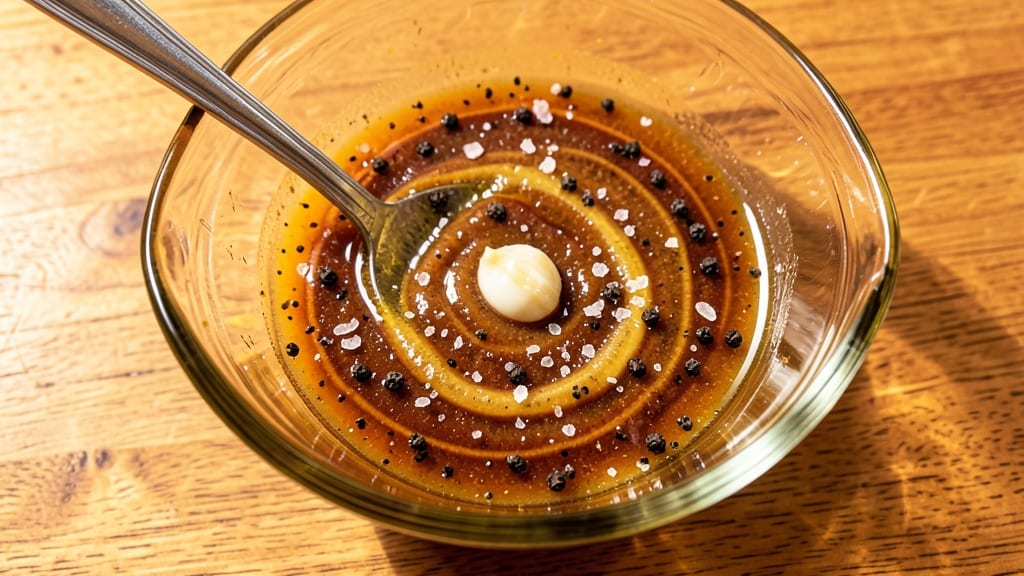
Aunt Martha's old-fashioned salad dressing recipe is the one I still reach for when I need that perfect balance of tang and sweetness in a jar.
The secret lies in its simplicity—just five basic ingredients that come together to create a dressing so good, it turns any salad into a meal. I remember the first time I tasted it, and it instantly became my go-to for everything from crisp green salads to grilled chicken dinners.
This dressing is all about precision—measuring ingredients carefully ensures the right balance of flavor every time. The recipe relies on a classic ratio of oil and vinegar, with just enough sugar and mustard to round out the tang.
What makes it truly special is how it enhances other dishes, not just salads. It works beautifully as a marinade for meats or even as a drizzle over roasted vegetables.
Once you make it, you'll understand why this dressing has been a family favorite for generations. The tangy, slightly sweet profile cuts through rich ingredients while adding depth to lighter dishes.
It keeps well in the refrigerator for up to two weeks, so you can make a big batch and have it ready whenever you need it.
Perfect for summer picnics, weeknight dinners, or holiday gatherings, this dressing is a versatile addition to any kitchen. Whether you're dressing a simple green salad or using it as a base for coleslaw, it delivers that homestyle flavor that makes everything taste better.
Let's get started on making this classic dressing that's as reliable as it is delicious.
Ingredients for aunt martha's old fashioned salad dressing
Five simple ingredients that transform into Aunt Martha's tangy, sweet dressing.
| Ingredient | Amount | Notes |
|---|---|---|
| Extra-Virgin Olive Oil 🫒 | 1 cup | High quality, fruity preferred |
| White Vinegar 🍶 | ½ cup | White or apple cider vinegar |
| Granulated Sugar 🍚 | 2 tbsp | White or light brown sugar |
| Dijon Mustard 🌿 | 1 tbsp | Mild or regular strength |
| Salt 🧂 | 1 tsp | Kosher or sea salt |
| Black Pepper 🌶️ | ½ tsp | Freshly ground preferred |
| Garlic Clove 🧄 | 1 whole | Minced for extra depth |
The olive oil is the heart of this dressing—look for extra-virgin with a fruity aroma (none of that cheap, rancid stuff). Trader Joe's or Whole Foods have great options, but any quality brand works. Vinegar? White is classic, but apple cider vinegar adds a subtle sweetness too. The sugar balances the tang, so don't skimp—it's what makes this dressing special. For the mustard, Dijon is non-negotiable—that's where the depth comes from. If you're using store-bought, check the label for '100% Dijon' to avoid cheap imitations.
No extra-virgin olive oil? Light olive oil works in a pinch, but it won't taste as rich. Vinegar substitute? Lemon juice at half the amount gives a different tang, but it's not the same. The garlic is optional but worth it—one clove max unless you love garlic. No Dijon? Yellow mustard thinned with a splash of vinegar gets you close. The salt and pepper are simple but crucial: taste as you go. This dressing is all about balance, so adjust to your preference.
This keeps for 2 weeks in the fridge, sealed tight. I always double the batch—one jar for salads, one for marinating grilled chicken. If it separates (which happens sometimes), just shake it up before using. For extra shelf life, add a thin layer of olive oil on top before sealing. It's also great frozen in ice cube trays—perfect for quick single servings later.
Why You'll Love This Recipe
- Five-Minute Whisk: I swear, this is the kind of dressing you can make while waiting for the coffee to brew. Just toss in the olive oil, vinegar, sugar, Dijon, and a pinch of salt—no fancy techniques, no measuring cups out of place.
- Tangy-Sweet Balance: That first bite of crisp greens with this dressing? Pure magic. The white vinegar cuts through the richness of the olive oil while the sugar and mustard tie it all together—bright, bold, and never overpowering.
- Pantry Staple Power: Honestly, if you’ve got olive oil, vinegar, and sugar, you’re already halfway there. No specialty ingredients, no last-minute grocery runs—just pull from what you’ve got and go.
- Leftovers That Last: Make a big batch and store it in the fridge. It keeps for weeks, perfect for tossing on salads mid-week or packing in lunchboxes. (Yes, even on a Tuesday night.)
Step-by-step instructions for Aunt Martha's old-fashioned salad dressing
This classic dressing comes together in minutes with simple ingredients you already have.
Mince the Garlic Finely
Peel the 1 whole garlic clove and place it on a cutting board. Use a sharp chef's knife to mince it into a fine paste - you want it almost unrecognizable as individual pieces. This ensures the garlic blends smoothly without any harsh bits. I press down firmly with the flat side of my knife after each chop to create the perfect texture.
Set the minced garlic aside in a small bowl. The aroma alone will make your kitchen smell amazing, but don't worry if it seems like too much - it'll mellow out beautifully in the dressing. If you're concerned about overpowering flavor, you can use just half the clove, but Aunt Martha swore by the full amount for that authentic tang.
Whisk Together Wet Ingredients
In a medium bowl, combine the 1 cup extra-virgin olive oil, 0.5 cup white vinegar, and the minced garlic. Use a whisk to blend these ingredients thoroughly for about 30 seconds. The oil and vinegar should begin to emulsify slightly, creating a cloudy appearance rather than separate layers.
Next, add the 2 tablespoons granulated sugar and 1 tablespoon Dijon mustard. Continue whisking for another 30 seconds until everything is completely incorporated. The sugar will help balance the acidity from the vinegar, while the mustard adds that signature depth that makes this dressing special. You'll notice the mixture starts to thicken slightly as you whisk.
Season to Perfection
Add the 1 teaspoon salt and 0.5 teaspoon black pepper to the bowl. Whisk vigorously for 20-30 seconds until the salt and pepper are fully dissolved and the dressing is completely smooth. Taste a small spoonful - you should notice a perfect balance of sweet, tangy, and slightly savory flavors.
Here's the thing - Aunt Martha always said you can never have enough salt in dressing. If it tastes bland, add a pinch more salt. If it's too sharp, add a tiny bit more sugar. The key is to taste as you go. The dressing should coat your spoon evenly without being too thick or too thin. If it's too thick, add 1 teaspoon of water at a time until it reaches your desired consistency.
Let It Rest and Emulsify
Transfer the dressing to a clean glass jar with a tight-fitting lid. Seal it and let it sit at room temperature for at least 15 minutes before using. This resting period allows all the flavors to meld together and the dressing to fully emulsify. You'll notice it becomes slightly thicker and more cohesive as it sits.
Give the jar a good shake right before using to redistribute any ingredients that may have settled. The dressing will keep in the refrigerator for up to 2 weeks, making it perfect for meal prep. The longer it sits, the more complex the flavors become, so if you can wait a day or two before using it, the taste will be even better.
Pro Tips For Making Aunt Martha'S Old Fashioned Salad Dressing
- Whisk in Stages: Start by mixing the sugar, mustard, and vinegar—this dissolves the sugar faster and avoids clumping. Then slowly drizzle in the olive oil while whisking constantly. I learned this the hard way after ending up with a grainy, lumpy mess that looked like someone forgot to shake the jar.
- Use Warm Vinegar: Heat the white vinegar slightly (just warm to the touch) before mixing it with the sugar. This helps the sugar dissolve instantly, so you don’t end up with gritty bits in your dressing. Sounds weird, but it works—my grandmother swore by it, and she was right.
- Measure Oil Last: Don’t pour the olive oil in first—it’ll just float on top and make the mustard and sugar separate. Add it last, after everything else is fully emulsified, and whisk like you’re trying to win an arm-wrestling match. This guarantees a smooth, creamy texture every time.
- Taste Before Salting: Skip adding salt upfront—taste the dressing first after mixing all other ingredients. Vinegar and mustard already pack saltiness, so you’ll likely need far less than you think. I used to oversalt mine, and it ruined the balance. Now I adjust last.
Wine and beer pairings for this dish
Classic White Wine
Aunt Martha's dressing pairs beautifully with crisp, dry white wines that complement its tangy-sweet profile. I always reach for a Sauvignon Blanc from New Zealand or France—its citrusy notes mirror the dressing's brightness while cutting through rich dishes like grilled chicken or steak.
A Pinot Grigio from Italy also works wonderfully, especially with summer salads. The key is to avoid overly oaked whites, which can clash with the dressing's clean, bright flavors. 🍷
Light-Bodied Reds
For heartier meals, a light red wine like Pinot Noir or Beaujolais bridges the gap between the dressing and rich proteins. These wines have enough acidity to stand up to the dressing's tang while their fruitiness enhances the meal.
I love pairing it with Chianti when serving over roasted vegetables or as a marinade base for pork. Avoid bold, tannic reds like Cabernet Sauvignon—they’ll overpower the delicate balance of the dressing.
Craft Beer Pairings
If you prefer beer, opt for a wheat beer or Belgian witbier like Allagash White or Hoegaarden. The citrusy, spicy notes in these beers harmonize perfectly with the dressing’s tang and sweetness.
For a malty option, try a light lager like Peroni or Heineken, which provides a clean, refreshing contrast. Avoid heavy IPAs or stouts—they’ll compete with the dressing’s flavors rather than complement them. 🍺
Non-Alcoholic Options
For a refreshing non-alcoholic pairing, I recommend a sparkling apple cider like Martinelli’s or a ginger beer such as Feather’s. The effervescence cleanses the palate between bites, while the natural sweetness enhances the dressing’s flavor.
A cucumber-mint infused water with a squeeze of lime also works beautifully, especially for summer gatherings. It’s a great way to keep the focus on the dressing’s bright, tangy profile.
Unexpected Pairings
This dressing isn’t just for salads—it’s a game-changer for unexpected pairings. Drizzle it over grilled shrimp skewers and pair with a dry Riesling for a sweet-and-sour contrast. Use it as a marinade for chicken thighs and serve with a crisp Chardonnay.
The dressing’s versatility makes it a secret weapon for elevating simple dishes. Don’t be afraid to experiment—its tangy-sweet balance works in ways you’d never expect! ✨
Nutrition facts
Frequently asked questions
What makes this dressing different from store-bought versions?
This recipe uses Dijon mustard for depth and a touch of garlic for complexity—something most store-bought dressings skip. The balanced sweet-tang ratio (from 2 tbsp sugar and ½ cup vinegar) creates that nostalgic homestyle flavor. Plus, no artificial preservatives mean it tastes fresher longer!
Can I make this dressing without Dijon mustard?
Yes! Use 1 tbsp yellow mustard thinned with 1 tsp vinegar as a substitute. For extra depth, add ½ tsp onion powder or 1 tsp honey to mimic the mustard’s complexity. The texture will be slightly thinner, but it’ll still taste great.
Why does my dressing separate after a few days?
Oil and vinegar naturally separate over time—this is normal! Just shake it vigorously before using. To prevent separation, whisk in 1 tsp cornstarch or xanthan gum when making it, or store it in a jar with a tight lid. The dressing will emulsify again once shaken.
Is this dressing gluten-free or dairy-free?
The recipe contains no gluten or dairy—just oil, vinegar, sugar, mustard, and spices. Always check your mustard label for gluten-free certification if needed. It’s safe for most dietary restrictions while keeping that classic tang.
How can I use this dressing beyond salads?
This dressing is incredibly versatile! Use it as a marinade for grilled chicken or pork, a drizzle over roasted vegetables, or even a dip for fresh bread or veggie sticks. It also works as a base for coleslaw—just mix with shredded cabbage and a pinch of celery seed.