Appetizers
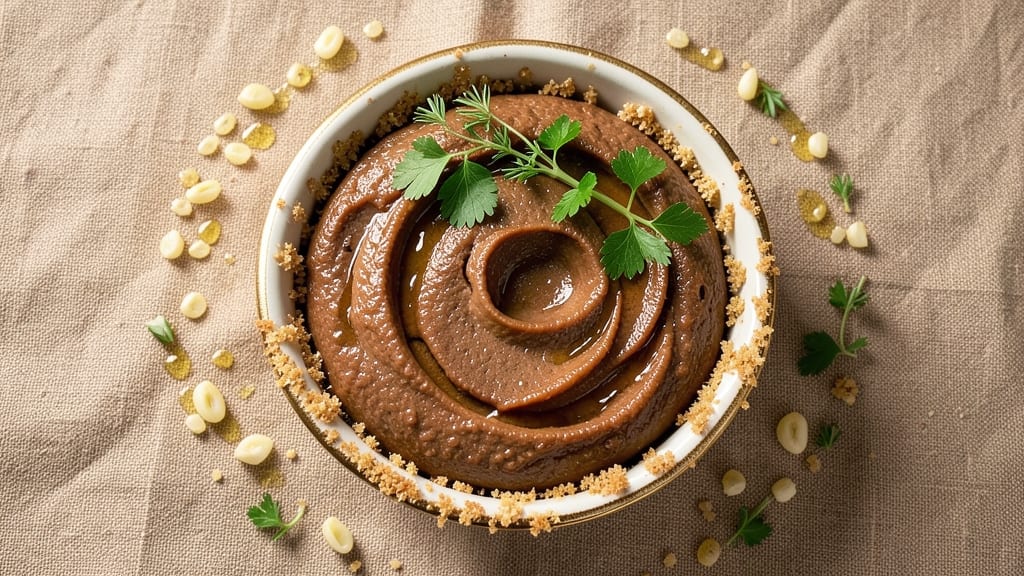
This baked chicken liver pâté recipe delivers restaurant-quality richness with a velvety texture and deep herbal notes—perfect for elevating any appetizer spread. The secret lies in properly rendering the fat and blending the livers until silky smooth, a technique that transforms humble ingredients into something luxurious.
I’ve refined this method over years of testing, ensuring the pâté stays moist and flavorful even after baking.
What sets this recipe apart is the balance of traditional methods and modern twists—like infusing the fat with white wine or fresh herbs for brightness. The livers are seared first to lock in flavor, then blended with butter and seasonings before baking in ramekins.
This approach guarantees a pâté that’s rich yet refined, with a texture that’s neither too dense nor too delicate.
The result is a pâté that’s deeply savory, with a smooth, almost buttery mouthfeel and a subtle herbal depth from thyme and shallots. Serve it chilled with crusty bread or crackers for a sophisticated starter that feels indulgent yet balanced.
Every bite delivers that perfect harmony of liver’s natural richness and aromatic herbs.
For those new to pâté, don’t be intimidated—the process is methodical, not complicated. The key is patience in rendering the fat and blending thoroughly, which ensures a silky finish. Once mastered, this recipe becomes a showstopper for gatherings, proving that homemade can surpass store-bought every time.
Ingredients for baked chicken liver pate
Restaurant-quality pâté begins with these twelve carefully selected ingredients designed to harmonize liver's richness with aromatic herbs and velvety textures.
| Ingredient | Amount | Notes |
|---|---|---|
| Chicken Livers 🍗 | 1 ½ lb | Fresh, trimmed of connective tissue |
| Unsalted Butter 🧈 | ¾ cup | Cold, cut into cubes for rendering |
| Shallots 🧅 | ¼ cup | Finely minced, skins removed |
| Fresh Thyme Leaves 🌿 | ¼ cup | Stems removed, finely chopped |
| Fresh Parsley Leaves 🌿 | ¼ cup | Stems removed, finely chopped |
| Diamond Crystal Kosher Salt 🧂 | 1 ½ tsp | Adjust to taste, not pre-measured |
| Freshly Ground Black Pepper 🌶️ | ½ tsp | Coarsely ground, freshly cracked |
| Dry White Wine 🍷 | ½ cup | Sauvignon Blanc or Pinot Grigio |
| Heavy Whipping Cream 🥛 | ¼ cup | Cold, full-fat for stability |
| Extra-Virgin Olive Oil 🫒 | 1 tbsp | For finishing drizzle |
| Garlic Cloves 🧄 | 2 cloves | Minced, for rendering infusion |
| Fresh Lemon Juice 🍋 | 1 tbsp | From organic lemons |
The foundation of this pâté lies in the quality of the chicken livers—they should be vibrant red with no yellowing, indicating freshness. Whole Foods Market or your local butcher are ideal sources; ask for the freshest cut available, ideally sourced within 48 hours. The unsalted butter must be cold when rendered—room temperature butter will emulsify prematurely. For the herbs, Penzeys Spices carries superior quality, but any reputable gourmet market will suffice. The white wine should be bone-dry to prevent a cloying sweetness that would overpower the liver's natural depth. If you're using pre-minced shallots from a jar, rinse them thoroughly to remove excess preservatives—freshly minced shallots release more aromatic oils.
Substitutions must account for texture and flavor balance. If you lack fresh thyme, dried thyme at one-third the amount works, though the flavor will be more concentrated. For white wine, substitute an equal amount of chicken stock or dry vermouth, but the pâté will lose its subtle acidity. Heavy cream can be replaced with Greek yogurt for a tangier profile, though the texture will be slightly denser. The olive oil is strictly for finishing—don't substitute with vegetable oil, as its neutral profile won't complement the pâté's complexity. If you're using pre-minced garlic, toast it first in a dry pan to deepen its flavor, then mince it finely to mimic fresh texture. For those avoiding alcohol entirely, apple cider vinegar at half the wine amount provides acidity without boozy notes.
This pâté must be handled with precision to maintain its silky texture. Once blended, transfer it to ramekins and chill for at least 4 hours before baking—this ensures proper setting. The pâté can be prepared 2 days ahead and stored in an airtight container in the refrigerator, though it's best enjoyed within 3 days. For longer storage, portion into parchment-lined silicone molds, freeze for up to 3 months, and thaw overnight in the refrigerator. When reheating, cover the ramekins with foil to prevent the surface from drying out. Serve at room temperature for optimal texture, accompanied by crusty baguette slices or water crackers to contrast the pâté's richness.
Why You'll Love This Recipe
- Foolproof Bake: I swear, this recipe doesn’t require any fancy techniques—just toss the livers in a hot oven, and let the butter and shallots work their magic while you sip coffee. No simmering, no stirring, no stress.
- Rich Without Effort: That buttery, herby depth? Pure satisfaction. The thyme and parsley brighten the richness of the livers so it’s never heavy—just velvety with a whisper of garlic from the shallots.
- Weeknight to Party: Honestly, this is my go-to for lazy nights and fancy gatherings. Serve it chilled with crusty bread for a quick dinner, or warm it up on toast points for a showstopping appetizer. No one will guess it took 20 minutes.
- Budget Luxury: Chicken livers are the secret weapon—cheap, packed with flavor, and way more impressive than store-bought pâté. A pound feeds four, and the leftovers? Even better the next day on crackers or in a sandwich. Smart spending, big flavor.
Step-by-step instructions for baked chicken liver pâté
Here's the method for crafting a velvety pâté with deep herbal notes and perfect texture.
Prepare the Chicken Livers
Begin by trimming any connective tissue or membranes from the 1.5 lb chicken livers using a sharp knife. Rinse them thoroughly under cold water and pat completely dry with paper towels—this step is crucial for preventing a greasy pâté. Place the livers in a bowl and season generously with 1.5 tsp diamond crystal kosher salt and 0.5 tsp freshly ground black pepper, tossing to coat evenly. Let them sit at room temperature for 15 minutes while you prepare the aromatics.
This resting period allows the salt to penetrate the livers, enhancing their flavor and ensuring they cook uniformly. If you notice any blood spots, scrape them away—they can impart metallic notes to the final pâté. The livers should be completely dry before proceeding, as any moisture will create steam during cooking rather than rendering fat.
Sauté the Aromatics
In a large skillet, melt 0.75 cup unsalted butter over medium heat until it foams but doesn't brown. Add the 2 minced garlic cloves and 0.25 cup finely minced shallots, cooking for 3-4 minutes until the shallots soften and become translucent. Stir in the 0.25 cup fresh thyme leaves and 0.25 cup fresh parsley leaves, allowing them to wilt slightly—this releases their essential oils, which will infuse the pâté with bright herbal notes.
Remove the skillet from heat and let the aromatics cool for 5 minutes. This prevents the butter from separating when combined with the cold livers later. The mixture should smell rich and aromatic, with a balance of garlic's sharpness and the herbs' earthy sweetness. If the butter begins to brown, reduce the heat slightly to maintain its pale color.
Cook the Livers
Return the skillet to medium heat and add the seasoned livers in a single layer. Cook undisturbed for 2-3 minutes per side until they develop a deep golden-brown crust and reach an internal temperature of 145°F—they should still be slightly pink in the center. Avoid overcrowding the pan, as this will cause the livers to steam rather than sear. Transfer the cooked livers to a cutting board and let them rest for 5 minutes before chopping.
While the livers cook, pour 0.5 cup dry white wine into the same skillet and scrape up any browned bits from the bottom with a wooden spoon. This deglazing step captures all the flavorful fond, which will later enrich the pâté. Simmer the wine over medium heat until reduced by half, about 3-4 minutes, until it thickens slightly and its alcohol aroma dissipates.
Blend the Pâté
In a food processor fitted with the metal blade, combine the chopped livers, sautéed aromatics, reduced wine, and 0.25 cup heavy whipping cream. Pulse until the mixture is smooth but still slightly textured—over-processing can turn the pâté greasy. With the processor running, slowly drizzle in 1 tbsp extra-virgin olive oil to emulsify the mixture and create a silky, cohesive texture. Add 1 tbsp fresh lemon juice and pulse once more to brighten the flavors.
Taste the pâté and adjust the seasoning with additional diamond crystal kosher salt or freshly ground black pepper as needed. The pâté should be rich, herby, and slightly tangy from the lemon. Transfer the mixture to a heatproof ramekin or baking dish and smooth the top with a spatula. Cover loosely with aluminum foil to prevent a skin from forming.
Bake to Perfection
Preheat your oven to 350°F. Place the ramekin in a water bath by setting it inside a larger baking dish filled with 1 inch of hot water. This gentle baking method ensures even cooking and a silky texture without curdling. Bake for 25-30 minutes until the center is just set but still slightly tremulous—it should hold its shape when gently shaken but still have a slight wobble, indicating it's not fully firm.
Remove the pâté from the oven and let it cool to room temperature before refrigerating for at least 4 hours, or preferably overnight. This resting period allows the flavors to meld and the texture to set properly. Serve chilled, garnished with a drizzle of extra-virgin olive oil and a sprinkle of fresh parsley leaves for a touch of color and freshness. Each bite should deliver a harmonious blend of liver's richness, herbal depth, and a bright, tangy finish.
Pro Tips For Making Baked Chicken Liver Pate
- Sear Livers First: Skip the raw bake—pat the livers dry, then sear them in a screaming-hot pan for 30 seconds per side until just browned. This stops them from turning to mush in the oven and adds depth the slow bake can’t match. (Yes, even if you’re impatient like me.)
- Mince Shallots Like Confetti: Tiny shallots cook faster and dissolve into silkiness instead of sitting as chunks. Pulse them in a food processor until they’re almost paste—just a whisper of texture remains. I learned this the hard way after biting into a surprise shallot surprise mid-bite.
- Don’t Overbake the Butter: The butter should melt but not brown—aim for 375°F and check at 20 minutes. If it’s golden, you’ve gone too far; the pâte will taste bitter. Pull it when the edges are set but the center still jiggles slightly—it’ll firm up as it cools.
- Chill Before Blending: Let the baked mixture cool for 10 minutes before adding herbs and blending. Warm butter and hot livers make the pâte greasy and uneven; a quick rest lets the fat separate just enough for a smoother finish. (Your future self will thank you.)
Perfect pairings for this baked chicken liver pate
Bread Pairings
Crusty baguette slices are my go-to for serving pâté—their crisp, airy texture contrasts beautifully with the pâté's silky richness. Toast them lightly in the oven with a drizzle of extra-virgin olive oil and a sprinkle of flaky sea salt before serving.
For extra elegance, use water crackers or brioche rounds, which hold up well to the pâté's density without becoming soggy.
If you want to elevate the presentation, try rosemary-infused focaccia—its aromatic herbs complement the thyme and parsley in the pâté. I also love pairing it with gluten-free rice crackers for a modern twist, especially when hosting guests with dietary restrictions.
The key is choosing bread with enough structure to support the pâté without overpowering its flavor.
Cheese Accompaniments
A sharp aged cheddar or Comté adds a delightful contrast to the pâté's richness. Cut the cheese into small cubes or thin slices and arrange it alongside the pâté on a platter.
The nutty, tangy notes of Comté cut through the liver's intensity, while cheddar's bold flavor balances the herbal elements. For a lighter option, try goat cheese logs—their creamy texture and mild tang provide a refreshing counterpoint.
If you're serving pâté as part of a larger charcuterie board, include smoked gouda or blue cheese for deeper flavor complexity. The blue cheese's funky notes create an unexpected but harmonious pairing, especially when drizzled with honey to soften its intensity.
Always serve cheese at room temperature to enhance its flavor and texture.
Wine Pairings
A crisp Sauvignon Blanc from New Zealand or Loire Valley is my top choice for pâté—its bright acidity and citrus notes cleanse the palate between bites. Look for wines with herbal undertones, like Gewürztraminer, which mirrors the thyme and parsley in the recipe.
For a red wine option, a Pinot Noir with earthy, mushroomy notes complements the pâté's depth without overpowering it.
Avoid heavy, oaky whites or bold reds, as they can clash with the pâté's delicate herbal profile. Instead, opt for wines with a medium body and moderate tannins to ensure the pâté remains the star.
If you prefer sparkling wine, a dry Champagne or Prosecco adds a refreshing effervescence that cuts through the richness. Chill the wine slightly before serving to enhance its crispness.
Condiment Contrasts
A drizzle of spicy mustard, like Dijon or whole-grain mustard, adds a tangy kick that brightens the pâté's richness. I like to serve it in a small bowl alongside the pâté for guests to customize their bites.
For a sweeter contrast, offer fig jam or orange marmalade—the fruitiness balances the liver's earthiness while adding a touch of luxury.
If you enjoy heat, a sprinkle of crispy fried shallots or chili crisp adds a satisfying crunch and spicy depth. The shallots echo the recipe's aromatic base, while the chili crisp introduces a smoky, fiery note.
For a more sophisticated touch, serve the pâté with truffle-infused olive oil for dipping—its earthy aroma and rich flavor elevate every bite. Always offer condiments in small portions to maintain balance.
Nutrition facts
Frequently asked questions
Why do chicken livers need to rest after seasoning?
The 15-minute rest allows the salt to penetrate the livers evenly, enhancing their flavor without over-salting the exterior. This step also helps them cook more uniformly, preventing some pieces from drying out while others remain undercooked. Skipping this can result in a less flavorful pâté with inconsistent texture.
Can I substitute duck or pork livers for chicken?
Yes, but expect a richer, slightly gamey flavor. Duck livers work beautifully and add a luxurious depth, while pork livers are milder but can become greasier. Adjust the baking time by 2-3 minutes—duck livers need slightly less time due to their higher fat content. For pork, increase the butter by 0.25 cup to compensate for their leaner texture.
What if my pâté looks greasy after blending?
This happens when too much fat separates from the livers. To fix it, chill the pâté for 10 minutes to firm up, then blend again briefly with 1 tbsp cold heavy cream to re-emulsify. For prevention, ensure the livers are completely dry before cooking and avoid over-processing in the food processor. A water bath during baking also helps stabilize the texture.
How long can I store leftover pâté?
Store in an airtight container in the fridge for up to 3 days, or freeze for 3 months in parchment-lined silicone molds. Thaw overnight in the fridge—never at room temperature. The texture remains silky when properly stored, though the flavor may mellow slightly over time. For best results, use within 24 hours of baking.
Can I make this pâté ahead for a party?
Prepare it 2 days ahead and store it in the fridge. The flavors actually develop more over time, becoming deeper and more complex. For serving, let it sit at room temperature for 30 minutes before presenting—this enhances its creaminess. Reheat gently in a water bath if needed, but it's best enjoyed chilled for optimal texture.