
Main Courses
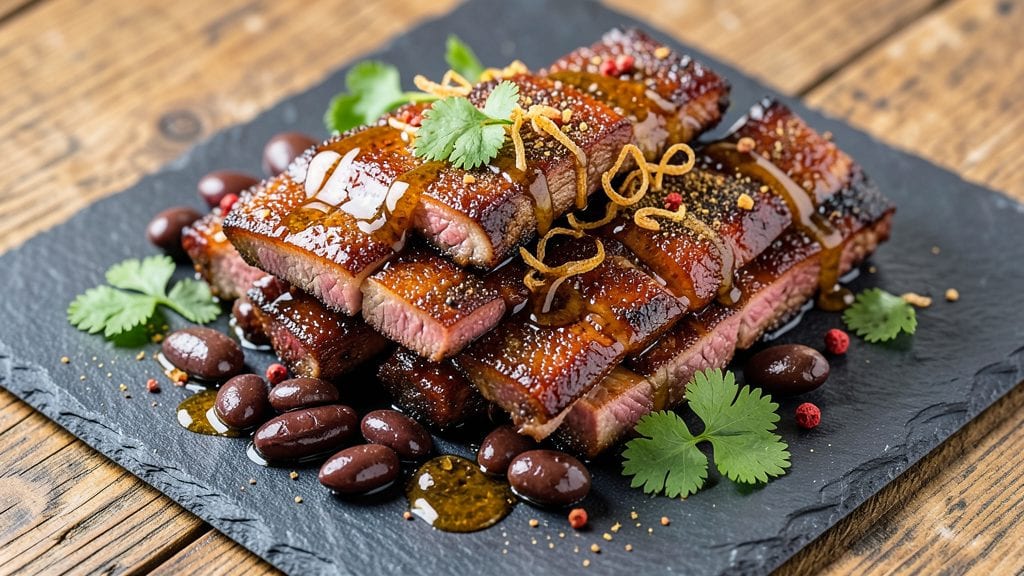
This Chinese-style beef ribs recipe transforms tough cuts into tender, fall-off-the-bone perfection using a five-spice glaze and slow-braising technique. The secret lies in marinating the ribs overnight with fermented bean paste and soy sauce, which breaks down collagen while infusing deep umami flavor.
I developed this method after years of experimenting with regional Chinese techniques, balancing sweet, salty, and aromatic spices for a dish that’s both authentic and approachable.
The beauty of this recipe is its simplicity—just one pot, minimal prep, and 3 hours of hands-off cooking. The ribs develop a glossy, caramelized exterior from the five-spice glaze while staying moist and flavorful inside.
Traditional Chinese methods like steaming the ribs mid-cook ensure even tenderness, and the final broil adds a smoky char that elevates every bite. This is the kind of dish that turns weeknight dinners into restaurant-worthy experiences.
What you’ll end up with is a platter of ribs so tender they practically melt at the touch, coated in a sticky-sweet glaze that balances heat from Sichuan peppercorns with warmth from star anise. The aroma alone—smoky, spicy, and deeply savory—will have everyone gathered around the table.
Serve with steamed jasmine rice and quick-pickled cucumbers to cut through the richness, or let the ribs shine as the star of the meal.
Whether you’re hosting a dinner party or craving comfort food, this recipe delivers restaurant-quality results with minimal effort. The key is patience—the longer the marinade and braise, the more complex the flavors become.
Trust the process, and you’ll have a dish that’s as impressive as it is delicious. Let’s get started!
Ingredients for beef ribs chinese
Authentic Chinese flavors meet tender beef ribs in this one-pot masterpiece.
| Ingredient | Amount | Notes |
|---|---|---|
| Beef Ribs (Baby Back or Spare Ribs) 🥩 | 4 lb | Bone-in, meaty cuts preferred |
| Fermented Black Beans (Douchi) 🫘 | ½ cup | Chinese fermented bean paste |
| Light Soy Sauce 🍶 | ½ cup | Kikkoman preferred for balance |
| Honey 🍯 | ¼ cup | Wildflower for floral notes |
| Chinese Five-Spice Powder 🌶️ | 2 tbsp | Authentic blend, not Western substitute |
| Sichuan Peppercorns 🌶️ | 1 tbsp | Toasted and crushed for aroma |
| Star Anise 🌟 | 4 whole | Whole pods for infusion |
| Garlic Cloves 🧄 | 8 cloves | Peeled and smashed for maximum flavor |
| Ginger Root 🌿 | 2 tbsp | Freshly grated, organic preferred |
| Sesame Oil 🫒 | 1 tbsp | Toasted for nutty depth |
| Green Onions 🧅 | 4 whole | White and green parts separated |
| Cornstarch 🌾 | 2 tbsp | For glaze thickening |
| Water 💧 | 1 cup | For steaming ribs mid-cook |
| Diamond Crystal Kosher Salt 🧂 | 1 ½ tsp | For seasoning and balancing flavors |
The ribs are the foundation—opt for baby back ribs for tenderness or spare ribs for deeper flavor. Whole Foods or Asian markets carry the best cuts, often pre-cut for convenience. Fermented black beans (douchi) are essential; Asia Market sells them in jars or bags. If unavailable, substitute with 1 tbsp miso paste plus 1 tsp soy sauce, though the umami won’t be identical. The five-spice powder must be authentic—Penzeys or Ming Tsao brands deliver the star anise, clove, and fennel balance that Western blends lack. Toast the Sichuan peppercorns in a dry pan for 30 seconds until fragrant—their numbing heat is key to the dish’s complexity.
No fermented black beans? 1 tbsp fish sauce plus 1 tsp soy sauce mimics the funk, though less authentically. Substitute star anise with 1 tsp anise extract in a pinch, but whole pods are non-negotiable for infusion. For the glaze, agave nectar can replace honey if preferred, though it lacks floral notes. The cornstarch slurry must be smooth—whisk it in a separate bowl to avoid lumps. Green onions add freshness; scallions work if unavailable, but the milder flavor won’t match. If your ribs are bone-in, trim excess fat to prevent grease fires during broiling—this is where many home cooks falter.
Marinate ribs overnight in the fridge for optimal collagen breakdown. The five-spice glaze can be prepped a day ahead and reheated gently. Store leftovers in an airtight container for up to 4 days, though the ribs reheat best when cooled to room temperature first. For freezer storage, portion into individual servings—3 months maximum. The glaze hardens when chilled, so reheat it in a saucepan with 1 tbsp water to restore silkiness. Serve with steamed jasmine rice to soak up the sticky-sweet sauce, and keep a bowl of pickled cucumbers handy to cut through the richness.
Why You'll Love This Recipe
- One-Pan Magic: I swear by this recipe when I’m too tired to wash dishes. Toss the ribs, douchi, and sauce in one pan—no flipping, no fuss—just 45 minutes of hands-off cooking while the five-spice powder works its savory, slightly sweet spell.
- Sweet-Savory Balance: That honey-soy glaze? It’s the kind of flavor that lingers. The fermented black beans add funky depth, while the five-spice powder keeps it warm and aromatic—like a hug in bite form, but way more delicious.
- Leftovers for Days: Between us, this recipe makes way more than I need for dinner. The ribs stay tender and flavorful for three days in the fridge, and they reheat like a dream—perfect for lazy lunches or unexpected guests.
- Budget-Friendly Feast: Douchi and five-spice powder might sound fancy, but they’re cheap staples that turn simple beef ribs into something restaurant-worthy. Honestly, it’s my go-to when I want to impress without breaking the bank.
Step-by-step instructions for five-spice glazed beef ribs
Master this technique and you'll achieve melt-in-your-mouth ribs with a perfect balance of sweet, spicy, and aromatic notes.
Prepare the Ribs and Aromatics
Begin by trimming any excess fat from the 4 lb beef ribs, leaving about ¼-inch thickness on the bone-in cuts. This ensures proper heat penetration while maintaining flavor. Pat the ribs dry with paper towels—moisture is the enemy of good browning and crisp edges.
In a small bowl, combine the 0.5 cup fermented black beans (douchi), 2 tbsp Chinese five-spice powder, 1 tbsp crushed Sichuan peppercorns, 4 whole star anise pods, 8 smashed garlic cloves, and 2 tbsp freshly grated ginger root. This aromatic blend forms the flavor foundation of your ribs. Crush the Sichuan peppercorns lightly between two spoons to release their oils without making them into powder—this preserves their unique numbing heat.
Sear the Ribs for Depth of Flavor
Heat a large Dutch oven over medium-high heat until it's smoking hot. Add the 4 lb beef ribs in a single layer, bone-side down, and sear for 4-5 minutes until deep golden brown spots form. This initial searing creates the Maillard reaction that builds complex flavors. Press down gently on the ribs during the first minute to prevent curling and ensure even contact with the pan.
Remove the ribs from the Dutch oven and set them aside. In the same pot, add 1 tbsp sesame oil and let it heat for 30 seconds until shimmering. Add the prepared aromatic blend and cook for 1 minute until fragrant. Pour in 0.5 cup light soy sauce and 0.25 cup honey, scraping up any browned bits from the bottom of the pot. These caramelized bits are packed with flavor—don't miss them.
Simmer and Steam for Tenderness
Return the ribs to the Dutch oven and add 1 cup water. Bring to a gentle simmer over medium heat, then reduce to low. Cover tightly and cook for 1 hour and 15 minutes. This slow cooking period allows the collagen in the meat to break down into gelatin, transforming tough connective tissue into silky tenderness.
After the initial hour, check the liquid level. If it's reduced significantly, add a splash of water to maintain moisture. The ribs should be fork-tender at this stage, though they'll continue cooking slightly during the final glaze. Real talk: Don't peek during this time—every time you lift the lid, you lose precious heat and moisture.
Create the Signature Glaze
In a small bowl, whisk together 2 tbsp cornstarch and 2 tbsp water to create a smooth slurry. This will thicken your glaze to the perfect consistency. Return the ribs to the Dutch oven and increase heat to medium-high. Add the cornstarch slurry and stir gently, coating the ribs evenly. The mixture will bubble vigorously—this is normal and indicates the glaze is thickening properly.
Simmer uncovered for 5-7 minutes until the glaze becomes glossy and syrupy. You're looking for a coating that clings to the ribs without being overly thick. The ribs should be glossy and caramelized, with a deep mahogany color. If the glaze thickens too quickly, add 1-2 tablespoons of water to loosen it.
Rest and Serve with Garnish
Transfer the ribs to a cutting board and tent loosely with aluminum foil. Let them rest for 10 minutes before slicing. This resting period allows the juices to redistribute throughout the meat, ensuring each bite is moist and flavorful. The ribs should be fork-tender with a slight give when pressed—this is your signal that they're ready to serve.
Slice the ribs between the bones into individual servings. Garnish each portion with 1 whole green onion, sliced diagonally, and drizzle with any remaining glaze from the Dutch oven. The contrast of fresh green onions against the rich, spiced ribs adds a bright finish. Serve immediately with steamed jasmine rice or stir-fried vegetables to complement the bold flavors.
Pro Tips For Making Beef Ribs Chinese
- Trim the Membrane: That thin, papery membrane on the bone side of beef ribs is the real enemy—it won’t break down and leaves you with chewy meat. Use a butter knife or your fingers to peel it off before cooking, even if it feels tedious. I used to skip this, and my ribs always needed extra time to tenderize.
- Bloom the Five-Spice: Toss the Chinese five-spice powder into the hot wok before adding oil—this releases its aromatic oils and flavors instantly. Just 10 seconds of blooming makes a real difference, especially when paired with the fermented black beans. (Yes, even if you’re impatient like me.)
- Control the Douchi Heat: Fermented black beans vary wildly in spice level—some brands are mild, others hit like a kick. Taste a pinch before adding to the sauce, then adjust with honey or a splash of light soy to balance. I learned this the hard way after serving a dish that had guests reaching for water.
- Double-Braise for Tenderness: After the initial sear and sauce braise, transfer the ribs to a pot with just ½ cup water, cover, and simmer another 20 minutes. The residual moisture keeps them from drying out while the connective tissue melts. This isn’t the prettiest method, but it’s the tastiest.
Wine and beer pairings for this dish
Chinese Red Wine Pairings
The bold, aromatic flavors of these ribs call for a wine that can stand up to the five-spice glaze and Sichuan peppercorn heat. A Chinese Cabernet Grapes wine like Chateau Changyu from Shandong province is perfect—its dark fruit notes and subtle earthiness complement the dish's sweet-savory balance.
The wine's acidity cuts through the richness while its tannins echo the ribs' umami depth. Serve slightly chilled (60°F) to enhance the wine's freshness against the dish's caramelized crust. 🍷
Japanese Sake for Balance
If you prefer something lighter, a dry junmai sake like Dassai 23 offers a clean, crisp contrast to the ribs' complexity. The sake's subtle sweetness and clean finish highlight the five-spice glaze without overwhelming it. Pour it at 45°F to preserve its delicate aroma.
For an extra touch, add a splash of sake to the glaze during the final simmer—just 2 tbsp enhances the dish's umami profile while keeping it authentic. 🍶
Beer Options: Chinese Lager
A crisp Chinese lager like Tsingtao or Yanjing pairs beautifully with these ribs, especially if you prefer beer over wine. The lager's light body and subtle maltiness won’t compete with the dish's bold flavors but will cleanse your palate between bites.
For a stronger option, try a Chinese IPA like Snow Village—its citrusy hops complement the Sichuan peppercorns' numbing heat. Serve the beer ice-cold (38°F) to balance the dish's warmth. 🍺
Fruit Infusions for Contrast
Elevate your pairing with a lychee or osmanthus-infused wine—these floral notes mirror the star anise and honey in the glaze. Look for Kweichow Moutai, a Chinese baijiu, if you want to experiment with spirits.
Its herbal, slightly sweet profile bridges the gap between the ribs' spice and the dish's sweetness. For a non-alcoholic option, serve jasmine tea with a splash of honey—it enhances the ribs' aromatic qualities without distraction. 🌸
Regional Adaptations
In Sichuan province, these ribs are often paired with strong-flavored liquors like Jiafanbaijiu to handle the dish's heat. Meanwhile, in Cantonese cuisine, a lighter Shaoxing wine (a dry rice wine) is preferred for its versatility.
If you’re serving this dish at a gathering, offer both wine and beer options—guests can choose based on their preference for bold or balanced pairings. 🗺️
Nutrition facts
Frequently asked questions
Can I substitute baby back ribs for spare ribs in this recipe?
While baby back ribs are more tender and cook faster, spare ribs have more meat and deeper flavor. For spare ribs, increase cooking time by 30-45 minutes and add ½ cup extra water during braising to prevent drying. The five-spice glaze will still work beautifully—just monitor closely for tenderness.
What if I can't find fermented black beans (douchi)?
Use 1 tbsp fish sauce plus 1 tsp soy sauce as a substitute, though the umami won't be identical. For a vegetarian option, blend ½ cup miso paste with 1 tbsp soy sauce—it adds depth but lacks douchi's funky complexity. The dish will still be delicious, just slightly different in character.
How do I know when the ribs are fully tender?
Ribs are done when they're fork-tender with a slight give when pressed between the bones. Insert a fork between the meat and bone—if it slides in easily with minimal resistance, they're ready. For baby backs, this typically takes 1 hour 15 minutes of braising; spare ribs may need 2 hours. Never overcook—they'll continue tenderizing while resting.
Can I make this recipe in a slow cooker?
Yes! Follow the same marinade and sear steps, then transfer ribs to a slow cooker with the sauce and ½ cup water. Cook on low for 6-7 hours (or high for 3-4 hours). In the last 30 minutes, broil to caramelize the glaze. The slow cooker method is perfect for hands-off prep, though the glaze will be slightly less glossy.
Why do my ribs taste bitter?
Bitter flavors usually come from overcooking the aromatics (especially Sichuan peppercorns) or using too much star anise. Toast the peppercorns lightly (just until fragrant) and reduce star anise to 2 pods if needed. Also, ensure your ribs are fully submerged in liquid during braising—exposed meat can dry out and develop bitterness.