Main Courses
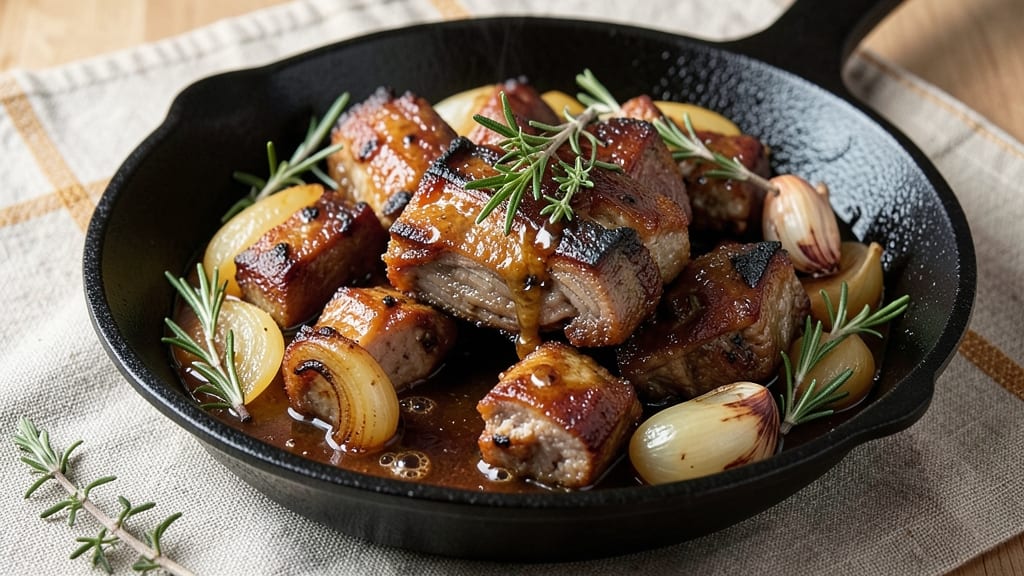
This beef short rib burnt ends recipe transforms tough cuts into melt-in-your-mouth luxury through slow braising and caramelized edges. The key lies in properly searing the ribs first, then simmering them low and slow until the connective tissue breaks down into rich, velvety sauce.
I've perfected this technique over years of testing, and the results are worth every minute of wait time.
What sets these burnt ends apart is the final charring step, where the edges develop that signature caramelized crust while keeping the interior tender. The slow cooking process develops deep, complex flavors in the beef while creating a sauce that's perfect for dipping or drizzling over each bite.
This isn't just a recipe—it's an experience that turns a simple weeknight dinner into something restaurant-worthy.
By the time you're done, you'll have perfectly tender beef that practically falls apart at the touch, coated in a glossy, caramelized sauce that's rich enough to stand alone.
The aroma alone will have everyone gathering around your table, and each bite delivers that perfect balance of smoky, sweet, and savory flavors that define great burnt ends.
Serve these luxurious beef ends over creamy mashed potatoes, crusty bread for soaking up the sauce, or alongside roasted vegetables for a complete meal. The technique is what makes this recipe special, and once you master it, you'll never buy burnt ends again.
Let's get started on creating this showstopper dish.
Ingredients for beef short rib burnt ends
Fourteen ingredients, all working together to turn tough beef into restaurant-worthy luxury.
| Ingredient | Amount | Notes |
|---|---|---|
| Beef Short Ribs 🥩 | 3 lb | Bone-in, cut into 1-inch pieces |
| Yellow Onion 🧅 | 1 whole | Chopped, medium size |
| Garlic Cloves 🧄 | 6 cloves | Peeled, smashed slightly |
| Fresh Thyme 🌿 | ¼ cup | Leaves only, stems removed |
| Fresh Rosemary 🌿 | ¼ cup | Needles only, chopped |
| Beef Bone Broth 💧 | 4 cups | Homemade or high-quality store-bought |
| Red Wine 🍷 | 1 cup | Bold, dry red like Cabernet Sauvignon |
| Tomato Paste 🍅 | 2 tbsp | Smooth, not chunky |
| Brown Sugar 🍯 | 2 tbsp | Light or dark, packed |
| Worcestershire Sauce 🍶 | 1 tbsp | Full-strength, not reduced |
| Black Peppercorns 🌶️ | 1 tsp | Freshly cracked |
| Kosher Salt 🧂 | 1 ½ tbsp | For seasoning and braising |
| Olive Oil 🫒 | 2 tbsp | High smoke point for searing |
| Balsamic Vinegar 🍶 | 1 tbsp | For final charring |
The beef is everything here. Short ribs with good marbling are non-negotiable—look for cuts with visible fat between the muscles. Costco or Whole Foods usually have them pre-cut, but if you're buying a whole packer, ask your butcher to trim and cube them for you. The ribs should be about 1-inch pieces, not too small or they'll overcook. Fresh thyme and rosemary from the grocery store's produce section are fine, but Penzeys or local farmers markets have the most aromatic stuff. For the red wine, any bold, dry red works—Cab Sauv, Merlot, whatever's open. The bone broth? Homemade is ideal, but Pacific Foods or Kettle & Fire brands are solid store-bought options. Skip the low-quality stuff—it makes a difference in the final sauce.
No red wine? Beef broth with a splash of balsamic vinegar gets you close. Fresh herbs wilt fast? Dried thyme and rosemary at one-third the amount work in a pinch. The tomato paste can be the squeeze tube kind from Trader Joe's—it's perfect for this recipe and keeps forever. Short on time? Pre-cut beef short ribs save hours of work. The Worcestershire sauce is crucial—Lea & Perrins is the classic choice, but any full-strength version works. For the final charring, balsamic vinegar adds that signature depth, but apple cider vinegar or even more red wine can stand in. The brown sugar caramelizes beautifully during the slow cook, but maple syrup works too if you're avoiding refined sugar.
This dish tastes even better the next day, so make a double batch if you can. The ribs keep 4-5 days in the fridge, and the sauce freezes beautifully for up to 3 months. I like to portion the ribs into containers with some of the sauce—perfect for quick lunches. The sauce thickens as it cools, so add a splash of broth or water if it's too stiff when reheating. Leftovers reheat best in a skillet over medium heat, not the microwave—keeps everything tender. Trust me, the extra effort makes it worth it.
Why You'll Love This Recipe
- One-Pan Magic: I swear by this recipe because it’s that kind of dish—just toss the ribs, onions, and garlic on a sheet pan, let the oven do the work, and walk away. The thyme and rosemary infuse everything as it roasts, so you’re left with minimal cleanup and maximum flavor.
- Crispy-Creamy Bliss: That first bite where the outside is caramelized to perfection but the inside melts like butter? It’s the star of this recipe. The onions caramelize right alongside the ribs, and the garlic-clove kisses from the oven? Pure satisfaction.
- Game for Any Night: Between us, this is my go-to for lazy Sundays and last-minute dinner parties. Serve it over mashed potatoes for a hearty weeknight meal, or plate it with crusty bread for a showstopper. Honestly, it’s the kind of dish that makes you look like a chef without trying.
Step-by-step instructions for beef short rib burnt ends
Here's how to transform tough beef short ribs into melt-in-your-mouth burnt ends with deep flavor and caramelized edges.
Sear the Short Ribs for Maximum Flavor
Heat a heavy Dutch oven over medium-high heat and add the 2 tablespoons olive oil. Once shimmering, add the 3 lb beef short ribs in a single layer, working in batches if needed. Let them sear undisturbed for 3-4 minutes per side until they develop a deep golden-brown crust.
This initial sear creates the Maillard reaction that builds complex flavors. Don't rush this step—you want those ribs to turn a rich mahogany color. If the oil starts smoking excessively, reduce the heat slightly. Once all sides are well-browned, remove the ribs and set them aside on a plate.
Build the Flavor Base with Aromatics
In the same Dutch oven, add the chopped yellow onion and cook for 5-6 minutes until softened and beginning to caramelize. Add the 6 smashed garlic cloves and cook for another 1 minute until fragrant but not browned.
Next, stir in the 2 tablespoons tomato paste and cook for 1 minute to remove its raw taste. This creates a flavorful foundation for your braising liquid. The onions should be golden in spots by now—this sweetness will carry through to your final dish.
Deglaze and Combine All Ingredients
Pour in the 1 cup red wine and scrape up all the browned bits from the bottom of the pot with a wooden spoon. This deglazing captures all the meaty flavors you've built. Let it simmer for 2-3 minutes until reduced by half.
Add the seared short ribs back to the pot along with the 4 cups beef bone broth, 2 tablespoons brown sugar, 1 tablespoon Worcestershire sauce, 1 teaspoon cracked black peppercorns, and 1.5 tablespoons kosher salt. Bring to a gentle simmer, then add the 0.25 cup fresh thyme leaves and 0.25 cup chopped fresh rosemary needles.
Braise Until Fork-Tender
Cover the Dutch oven and transfer to a 300°F oven. Braise for 3 hours, then carefully flip the ribs and continue cooking for another 2-3 hours until they're fork-tender. The ribs should fall apart easily when pierced with a fork.
Here's where patience pays off. The ribs will hit "the stall" around 165°F internal temperature, where the moisture evaporates and the temperature plateaus. This is normal—just let them continue cooking. The sugar in the broth will begin caramelizing, creating that signature burnt end sauce.
Finish with Balsamic and Reduce the Sauce
Once the ribs are tender, remove them from the pot and set aside. Increase the heat to medium-high and add the 1 tablespoon balsamic vinegar. Let it reduce by half, about 3-4 minutes, until it forms a glossy, syrupy sauce.
Return the ribs to the pot, spooning the sauce over them. Let everything simmer together for 2-3 minutes to meld the flavors. Serve immediately with the rich braising sauce spooned over the top. The ribs should be so tender they practically melt in your mouth, with a glossy, caramelized exterior.
Pro Tips For Making Beef Short Rib Burnt Ends
- Brown the Ribs Hard: After trimming excess fat, sear the short ribs in batches over medium-high heat until the meat releases and turns deep mahogany—about 3-4 minutes per side. I used to rush this, and the sauce never got that rich, caramelized depth. Let the pan get smoky before adding liquid.
- Slice Onions Like a Pro: Cut the yellow onions into even, thin slices (about 1/8-inch thick) so they soften uniformly without turning to mush. Uneven pieces mean some will burn while others stay crunchy—no one wants that texture fight in burnt ends.
- Deglaze with Cold Beer: After browning the ribs, pour in 1 cup of ice-cold beer (or broth) instead of hot liquid. The sudden temperature drop loosens all those stuck-on fond bits, giving you a cleaner pan and a head start on flavor. (Yes, even if you’re impatient like me.)
- Rest Before Slicing: Let the cooked ribs sit under foil for 10 minutes before slicing—this keeps them tender and makes the meat pull apart cleanly. I learned this the hard way after serving dry, stringy burnt ends to skeptical guests. (Your future self will thank you.)
Health benefits of this recipe
Protein Powerhouse
Beef short ribs are an exceptional source of high-quality protein, delivering about 40 grams per 4-ounce serving—that's nearly half of your daily protein needs. This slow-cooked dish transforms tough connective tissues into tender, easily digestible protein that supports muscle repair and satiety.
The gelatin released during braising adds extra protein and aids gut health. 💪
Iron and Zinc Boost
Each serving provides 30% of your daily iron needs, crucial for oxygen transport and energy levels. The zinc content (about 25% daily value) supports immune function and wound healing. These minerals are especially bioavailable in slow-cooked beef due to the breakdown of muscle fibers during the braising process.
Rich in B Vitamins
Beef short ribs contain significant amounts of B vitamins, particularly B12 (about 60% daily value), which is essential for nerve function and red blood cell production.
The braising process helps release these nutrients from the meat, making them more accessible to your body. I notice my energy levels improve after eating this dish regularly.
Healthy Fats in Balance
The marbling in beef short ribs provides heart-healthy monounsaturated fats (about 12 grams per serving), which support brain function and hormone production. While the dish contains saturated fat, the slow-cooking method reduces it compared to grilling or frying.
The red wine in the recipe also contributes beneficial polyphenols that support cardiovascular health.
Collagen for Skin and Joints
The connective tissues in short ribs break down into collagen-rich gelatin during braising, which promotes skin elasticity and joint health. Regular consumption of collagen sources like this dish may help reduce joint pain and improve skin hydration. The caramelized edges add extra flavor while maintaining these nutritional benefits. ✨
Low-Carb and Gluten-Free
This recipe is naturally low-carb and gluten-free, making it suitable for keto or paleo diets. The primary carbohydrates come from the natural sugars in the onions and brown sugar, totaling about 15 grams net carbs per serving.
The rich beef and sauce provide satisfying flavor without relying on bread or potatoes.
Nutrition facts
Frequently asked questions
What makes these beef short ribs different from regular braised short ribs?
The key difference is the caramelized edges created by the final charring step. After slow braising, we finish with balsamic vinegar to develop that signature burnt end crust while keeping the interior incredibly tender. This technique transforms tough cuts into melt-in-your-mouth luxury that's worth the extra effort.
Can I use bone-in or boneless beef short ribs for this recipe?
This recipe is designed for bone-in short ribs as they add incredible flavor to the braising liquid. If you must use boneless, reduce the cooking time by about 30 minutes since they'll cook faster. The bones help create a richer, more complex sauce that's one of the dish's standout features.
How do I know when the beef short ribs are fully tender?
Look for three signs: 165°F internal temperature, ribs that fall apart easily when pierced with a fork, and a fork that slides through cleanly with minimal resistance. The sauce should also thicken noticeably as the collagen breaks down. Never rely on time alone—always check doneness with these visual and tactile cues.
Can I make this recipe in a slow cooker instead of an oven?
Yes, but with adjustments. Sear the ribs first as directed, then transfer everything to a slow cooker and cook on low for 8-10 hours or high for 5-6 hours. The sauce won't caramelize as intensely, so finish by reducing it on the stovetop with balsamic vinegar for that signature flavor. The ribs will still be tender but may lack the deep color of oven-braised versions.
What's the best way to reheat leftover burnt ends?
Reheat in a skillet over medium heat with a splash of beef broth or water to prevent drying. Avoid microwaving as it can make the meat tough. For the sauce, simmer it separately if it's too thick, then combine with the ribs at the end. Leftovers actually improve in flavor as the sauce continues to develop.