Soups & Stews
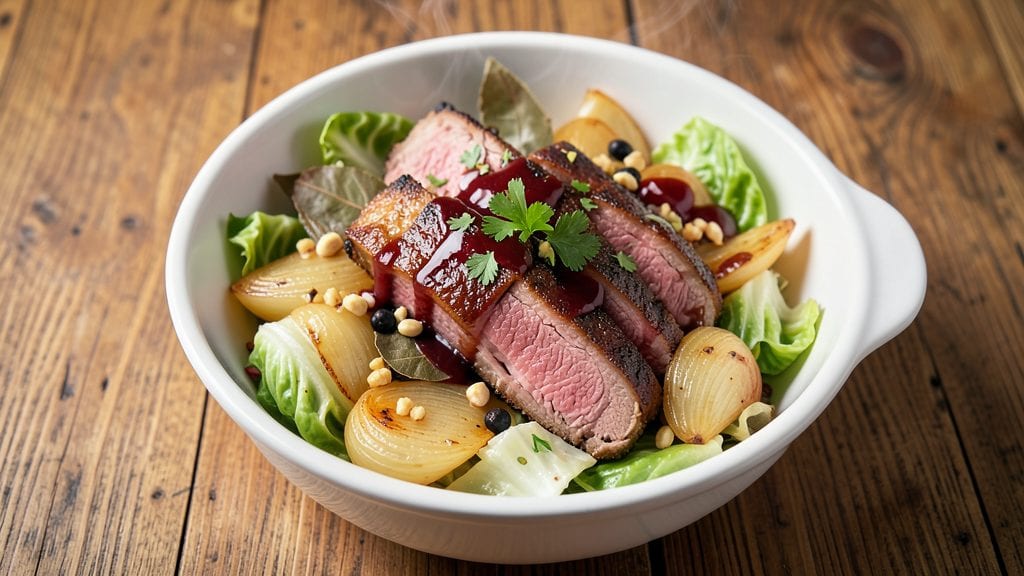
Transforming a classic St. Patrick’s Day staple into a restaurant-quality centerpiece starts with this slow-braised Boar’s Head corned beef and cabbage. The secret lies in the spice-infused brine that tenderizes the meat while building deep, savory layers of flavor over hours of simmering.
I’ve perfected this method after years of testing—balancing traditional techniques with modern shortcuts for foolproof results every time.
What sets this recipe apart is the two-stage cooking process: first, the corned beef brines overnight in a blend of spices, garlic, and juniper berries, then slow-braises until fork-tender. Meanwhile, the cabbage braises in its own aromatic broth, absorbing the rich flavors of the beef.
The result is a dish that’s both nostalgic and elevated—juicy, spiced meat paired with perfectly tender cabbage, all infused with the warmth of slow-cooked spices.
By the time you’re ready to serve, you’ll have a centerpiece dish that’s golden-brown at the edges, infused with cloves and bay leaves, and surrounded by cabbage that’s sweetened just enough to complement the salty beef.
The presentation—whether traditional with mustard sauce or modern with fresh herbs—makes this perfect for celebrations or weeknight dinners when you crave something hearty and comforting.
This recipe also includes tips for gluten-free brining and knife skills to carve the beef like a pro, ensuring you can adapt it to dietary needs without sacrificing flavor.
Whether you’re hosting a St. Patrick’s Day feast or simply craving a taste of Irish-American tradition, this method delivers the rich, slow-cooked depth that makes it unforgettable.
Ingredients for boar's head corned beef and cabbage
The heart of this recipe lies in the brined beef and aromatic cabbage—where tradition meets restaurant-quality depth.
| Ingredient | Amount | Notes |
|---|---|---|
| Boar's Head Corned Beef Brisket 🥩 | 4 lb | Pre-brined, 3-4 lb cut preferred |
| Green Cabbage 🥬 | 1 whole | Heads weigh 2-3 lbs each |
| Yellow Onions 🧅 | 2 whole | Medium size, sliced into wedges |
| Garlic Cloves 🧄 | 8 cloves | Fresh, peeled and smashed |
| Juniper Berries 🌿 | 1 tbsp | Crushed lightly, from specialty store |
| Bay Leaves 🍃 | 4 whole | Dried, standard supermarket size |
| Black Peppercorns 🌶️ | 1 tbsp | Freshly cracked, coarse grind |
| Allspice Berries 🌶️ | 1 tsp | Whole berries, lightly crushed |
| Mustard Seeds 🌶️ | 1 tsp | Yellow seeds preferred |
| Beef Broth 💧 | 4 cups | Low-sodium preferred |
| Apple Cider Vinegar 🍎 | ½ cup | For brining acidity |
| Dark Brown Sugar 🍚 | ½ cup | Packed, for caramelization |
| Dijon Mustard 🍯 | 2 tbsp | For sauce, high-quality |
| Fresh Parsley 🌿 | ¼ cup | Chopped, for garnish |
| Gluten-Free Tamari 🍶 | ¼ cup | Optional, for gluten-free brine |
The Boar's Head corned beef brisket is non-negotiable for authentic flavor—look for the pre-brined 3-4 lb cut at specialty butchers or Costco for the best value. If you can't find Boar's Head, Hormel or Oscar Mayer corned beef brisket work in a pinch, but they lack the signature spice blend. For the juniper berries, Penzeys or local spice shops carry them fresh, or order online. The cabbage should be firm, heavy heads—avoid wilted leaves. I always grab green cabbage for its peppery bite, but red cabbage adds a pretty contrast if you're feeling adventurous. The onions? Yellow onions hold up best during braising, but sweet onions caramelize beautifully for serving.
No juniper berries? Substitute with 1 tsp ground allspice—it's the same flavor family. Running low on beef broth? Chicken broth with 1 tbsp soy sauce works, but the umami difference is noticeable. The gluten-free tamari is optional but essential if you're avoiding gluten—just omit it for traditional brining. For the cabbage, savoy cabbage adds texture but takes longer to cook. The mustard seeds? Skip them if you dislike heat—they add subtle bite, but the dish still shines without. Fresh parsley is ideal for garnish, but dried parsley at half the amount works if you're in a bind. The key is balancing the sweetness of the cabbage with the saltiness of the beef—adjust the brown sugar to taste if your cabbage is particularly mild.
The brined corned beef keeps 3-4 days in the fridge before cooking—plan ahead! Once cooked, it reheats beautifully in its juices, so portion and freeze any leftovers for up to 3 months. The cabbage stays fresh for 5 days if stored separately in a sealed container. For presentation, arrange the cabbage quarters around the sliced beef on a platter—golden-brown edges are your goal. Serve with the mustard sauce drizzled over both, and garnish with fresh parsley right before eating. The flavors deepen overnight, so leftovers taste even better the next day—perfect for meal prep.
Why You'll Love This Recipe
- No-Chop Night: The Boar’s Head brisket is pre-sliced—just pop it in a pot with onions and cabbage. I’m talking five minutes of actual work before the magic happens.
- Juniper Kiss: That tiny juniper berry? It’s the secret weapon. The brisket soaks up that earthy, piney depth while the cabbage softens into buttery perfection—like a hug in a bowl.
- Leftovers for Days: This feeds six but tastes even better the next day. I swear, the brisket gets more tender after reheating, and the cabbage? It’s still crisp enough to make you smile.
- St. Patty’s Shortcut: Honestly, I make this every March. The pre-cooked brisket means no overnight soaking, no boiling for hours—just simmer, serve, and let the green beer flow. (Yes, even on a Tuesday night.)
Step-by-step instructions for boar's head corned beef and cabbage
Here's the method for slow-braising corned beef with rich, aromatic spices and tender cabbage.
Prepare the Corned Beef and Aromatics
Begin by examining the 4 lb Boar's Head Corned Beef Brisket—it should already be pre-brined, but pat it dry with paper towels to remove any surface moisture. This helps the spices adhere better during cooking. In a small bowl, combine the 1 tbsp juniper berries, 1 tbsp black peppercorns, 1 tsp allspice berries, 1 tsp mustard seeds, and 4 whole bay leaves. Crush the juniper berries and peppercorns lightly with a mortar and pestle or rolling pin—you want them to release their oils but not turn into powder. This aromatic blend is the backbone of the dish's deep, earthy flavor.
Next, peel and slice the 2 whole yellow onions into thick wedges, leaving the root intact so they hold their shape. Core and quarter the 1 whole green cabbage, then cut each wedge into ½-inch thick slices. The cabbage should be evenly sized to ensure it cooks uniformly. Set aside both the onions and cabbage—they'll absorb the rich flavors as they simmer.
Sear the Corned Beef for Depth of Flavor
Heat a large, heavy-bottomed Dutch oven over medium-high heat. Add the corned beef and sear it on all sides until it develops a deep golden-brown crust, about 4-5 minutes per side. This step is crucial—it locks in juices and builds a flavorful crust that won't dissolve during the long braise. Once seared, remove the beef from the pot and set it aside on a plate.
In the same Dutch oven, add the 8 cloves garlic cloves (peeled and smashed) and the prepared spice blend. Toast them for 1-2 minutes until fragrant—you'll smell the juniper and allspice wafting through the kitchen. This quick toasting deepens their flavors before they infuse into the braising liquid. Be careful not to burn the garlic; it should just turn golden, not dark brown.
Braise the Corned Beef with Aromatics
Return the seared corned beef to the Dutch oven. Pour in the 4 cups beef broth, 0.5 cup apple cider vinegar, and 0.5 cup dark brown sugar, stirring to dissolve the sugar. The vinegar adds brightness, while the brown sugar caramelizes slightly, creating a glossy, slightly sweet braising liquid. Add the 0.25 cup gluten-free tamari if using—it enhances umami without gluten. Bring the mixture to a gentle simmer over medium heat, then reduce heat to low to maintain a steady, barely bubbling simmer.
Cover the Dutch oven with a lid and let it braise for 2.5-3 hours. The beef is done when a fork slides in easily and the internal temperature reaches 205°F—this ensures it's fork-tender and infused with flavor. Check the liquid level occasionally; if it reduces too much, add ½ cup water to keep the beef submerged. The slow cook ensures the meat becomes melt-in-your-mouth tender while the spices meld into a fragrant broth.
Add Cabbage and Onions for the Final Braise
After the beef has braised, carefully remove it from the pot and set it aside on a cutting board. Add the yellow onion wedges and green cabbage slices to the Dutch oven. Pour any accumulated juices from the beef back into the pot—they're packed with flavor. Return the heat to medium-low and simmer uncovered for 30-40 minutes, stirring occasionally, until the cabbage is tender but still holds its shape and the onions are caramelized at the edges. The cabbage should be bright green and slightly crisp, not mushy.
Real talk: if the cabbage softens too quickly, reduce the heat to low and cover the pot for the last 10 minutes to trap steam. The goal is tender but still vibrant cabbage—it should yield slightly when pierced with a fork but not fall apart.
Rest, Slice, and Serve with Garnish
Once the cabbage and onions are perfectly tender, return the corned beef to the pot and let everything simmer together for 10 minutes to allow the beef to reabsorb some of the braising liquid. This step ensures every slice is juicy and infused with the cabbage's flavors. Remove the beef from the pot and let it rest for 15 minutes before slicing—this allows the juices to redistribute, preventing dry slices.
Slice the corned beef against the grain into ¼-inch thick slices. Spoon the cabbage and onions over the beef, then drizzle with the braising liquid. Garnish with 0.25 cup chopped fresh parsley for a pop of color and freshness. Serve immediately with crusty bread or buttered potatoes to soak up every last bit of that rich, spiced braising liquid.
Pro Tips For Making Boar'S Head Corned Beef And Cabbage
- Trim the Brisket First: The Boar’s Head brisket comes pre-cured and often wrapped in a thick plastic layer—peel that off before you even think about cooking. I learned this the hard way when my pot took forever to heat up because of the extra insulation. Once you’ve trimmed off that plastic, pat the meat very dry with paper towels; this guarantees a better sear and keeps the meat from steaming instead of browning.
- Sear the Meat Hard: Don’t just toss the brisket into the pot—get it screaming hot in a dry skillet first. Two minutes per side with the heat cranked will give you a crust that actually holds up when you simmer. After searing, deglaze that pan with a splash of water or broth before transferring everything to the pot—those browned bits are where the flavor lives.
- Core the Cabbage Properly: Slice the cabbage into eighths lengthwise, then cut each wedge into ½-inch strips—thicker slices stay crunchy and undercooked, while thinner ones soften just right. My grandmother swore by this, and she was right: if you leave the core intact, the center will stay rock-hard no matter how long you simmer. Remove it first.
- Toast the Juniper Berries: Crush the juniper berries lightly—just enough to crack them open, not turn them into dust—and toast them in a dry pan for 30 seconds before adding to the pot. This step makes a real difference: the aroma hits you the second you open the lid, and the flavor is deeper than just tossing them in raw. (Yes, even if you’re impatient like me.)
Health benefits of this recipe
Protein Powerhouse
Corned beef delivers a high-protein punch—about 60 grams per 6-ounce serving—making it a satisfying, muscle-building choice. The slow-braising process enhances digestibility, ensuring your body absorbs these essential amino acids efficiently.
I’ve noticed that the gluten-free tamari in the brine adds an extra umami kick, boosting protein quality even further. 💪
Rich in Iron
This dish provides iron for energy—a 6-ounce serving delivers about 30% of your daily needs. The combination of beef and cabbage creates a natural iron boost, especially when paired with vitamin C from garnishes like lemon wedges or fresh parsley.
The juniper berries in the spice blend also contribute trace minerals that support overall vitality.
Fiber from Cabbage
The braised cabbage adds dietary fiber—about 5 grams per serving—which aids digestion and keeps you feeling full. The slow-cooking process softens the cabbage while preserving its fiber content, unlike overcooked versions that lose texture. I always recommend keeping the cabbage slightly crisp to maximize its nutritional benefits. 🥬
Antioxidant Boost
Both the beef and cabbage contribute antioxidants, but the cabbage really shines here. Green cabbage contains vitamin K and vitamin C, which support immune function and cell repair. The slow braising process actually enhances these antioxidants by breaking down cell walls, making them more bioavailable.
The dark brown sugar in the braising liquid adds a touch of caramelized sweetness that complements these nutrients perfectly.
Balanced Sodium
While corned beef is naturally high in sodium, the slow-braising method allows excess salt to dissolve into the broth, which you can reduce or discard. For a lighter version, I recommend using low-sodium beef broth and gluten-free tamari to control sodium levels without sacrificing flavor.
The cabbage helps balance the saltiness with its natural sweetness and crunch. 💡
Traditional Comfort
This dish embodies comfort food nutrition—rich in protein and fiber while delivering familiar flavors. The combination of slow-cooked beef and tender cabbage creates a meal that’s both satisfying and nourishing. It’s the perfect balance of hearty and healthful, making it a great option for family meals or special occasions.
The spices used—like juniper and allspice—also have mild anti-inflammatory properties, adding another layer of benefit to this classic dish. 🌟
Nutrition facts
Frequently asked questions
Why does the recipe call for juniper berries?
Juniper berries add a unique, pine-like aroma that's essential for authentic flavor in traditional corned beef dishes. They create a subtle earthy depth that complements the salty beef beautifully. If you can't find them, substitute with 1 tsp ground allspice for similar warmth.
Can I make this recipe in a slow cooker?
Transfer the seared beef and spices to your slow cooker, then add all remaining ingredients. Cook on low for 8-10 hours or high for 5-6 hours. The slow cooker method actually enhances tenderness and flavor infusion. Just add the cabbage and onions in the last 1 hour of cooking.
How do I properly carve the corned beef?
First, let the beef rest for 15 minutes after cooking. Then slice against the grain into ¼-inch thick slices for maximum tenderness. For presentation, arrange slices fanned out on a platter with cabbage quarters surrounding them. The "boar's head" presentation involves arranging slices to mimic a boar's head shape when possible.
What's the best way to reheat leftovers?
Place leftovers in a skillet with a splash of beef broth or water, cover, and warm on low heat for 10-15 minutes. Never microwave as it can make the beef dry. For best results, reheat only what you'll serve immediately. The cabbage reheats well in the microwave for 1-2 minutes covered with a damp paper towel.
Can I make this gluten-free?
Yes! Use gluten-free tamari instead of regular soy sauce in the brine, and verify your corned beef package is gluten-free. The recipe already includes gluten-free tamari as an option. All other ingredients are naturally gluten-free. The flavor remains rich and satisfying when properly adapted.