Main Courses
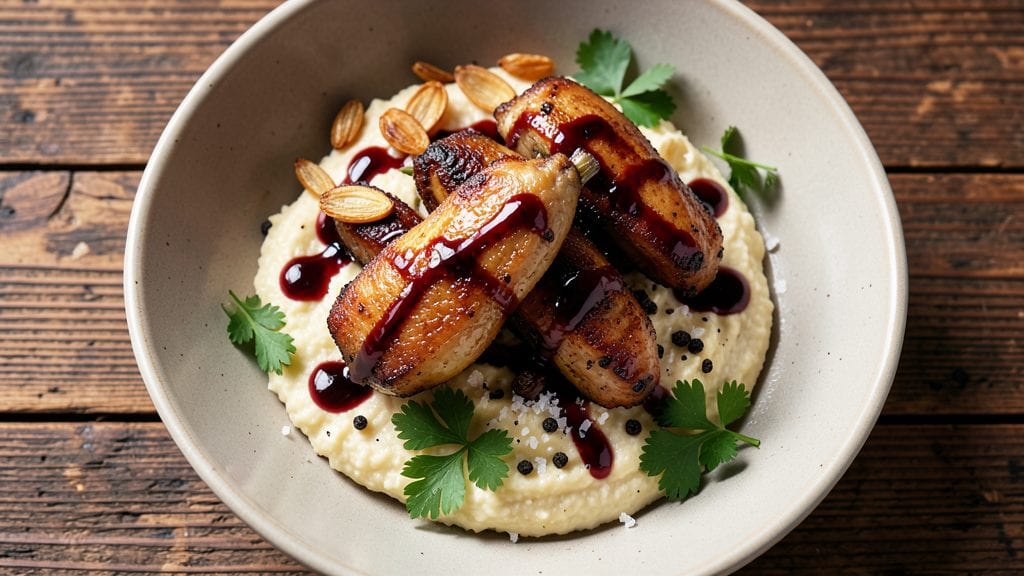
Mastering crispy pan-seared chicken gizzards with juicy centers transforms an often-overlooked ingredient into a showstopping main course. After years of perfecting this technique—including the crucial cleaning and trimming steps—I’ve developed a method that delivers restaurant-quality results at home.
The secret lies in proper preparation and high-heat searing, ensuring every bite balances crispy edges with tender, flavorful meat.
This recipe begins with thorough cleaning to remove any gamey residue, followed by a quick brine that tenderizes the gizzards while locking in moisture.
A light coating of flour creates the perfect crust for pan-searing, where the key is maintaining consistent heat to achieve that coveted crispy exterior without overcooking the interior. The result? A dish that’s bold, satisfying, and far more exciting than takeout.
What you’ll end up with is golden-brown gizzards that sizzle in the pan, their crispy skin giving way to succulent, juicy meat inside. The flavor is rich and savory, with a depth that pairs beautifully with tangy sides like lemon wedges or a simple arugula salad.
This is the kind of meal that turns a simple weeknight into a memorable dining experience—without requiring hours in the kitchen.
Serve with roasted potatoes or a fresh herb sauce to round out the dish. The technique works equally well for other offal, making it a versatile addition to your cooking repertoire. Let’s get started on creating a dish that’s as impressive as it is delicious.
Ingredients for chicken gizzard
Transform overlooked gizzards into a restaurant-worthy dish with these carefully selected ingredients.
| Ingredient | Amount | Notes |
|---|---|---|
| Fresh Chicken Gizzards 🍗 | 1 ½ lb | Cleaned and trimmed of connective tissue |
| All-Purpose Flour 🌾 | ½ cup | For light coating and crust formation |
| Diamond Crystal Kosher Salt 🧂 | 1 ½ tbsp | For brining and seasoning |
| Granulated Sugar 🍚 | 1 tbsp | Balances salt in brine solution |
| Cold Water 💧 | 2 cups | For brine preparation |
| Unsalted Butter 🧈 | 4 tbsp | Full-fat for optimal browning |
| Garlic Cloves 🧄 | 4 cloves | Minced for butter basting |
| Fresh Lemon Juice 🍋 | 1 tbsp | Brightens flavor profile |
| Fresh Thyme Leaves 🌿 | ¼ cup | Chopped for garnish |
| Extra-Virgin Olive Oil 🫒 | 2 tbsp | For pan searing |
| Freshly Ground Black Pepper 🌶️ | 1 tsp | Enhances depth of flavor |
| Smoked Paprika 🌶️ | ½ tsp | Adds subtle smokiness |
| Fresh Parsley Leaves 🌿 | ⅛ cup | Chopped for final garnish |
The quality of your chicken gizzards makes all the difference. Butcher shops or specialty poultry counters offer the freshest cuts, often pre-cleaned but always worth inspecting for any remaining connective tissue. If you're working with whole gizzards, trim any excess fat or membrane—this ensures even cooking and prevents bitterness. For optimal results, source gizzards from local farms or high-quality poultry suppliers like Crown Family Farms, where the birds are raised humanely and the meat remains tender. The flour should be fine-textured and sifted for an even coating; Bob's Red Mill all-purpose flour is a reliable choice for consistent results.
No time to source specialty gizzards? High-quality chicken livers can be substituted at a 1:1 ratio, though they require slightly less cooking time. Short on kosher salt? Diamond Crystal is preferred for its coarse texture, but Morton kosher salt works equally well. The brine ratio of 1.5 tbsp salt to 1 tbsp sugar per 2 cups water is non-negotiable—this balance tenderizes while preventing over-salting. For the butter basting, European-style unsalted butter like Plugrá delivers superior flavor, but any full-fat butter will suffice. Fresh herbs can be swapped for dried at a 1:3 ratio, though the flavor intensity will differ.
Gizzards should be stored in the coldest part of your fridge, wrapped in a damp paper towel to maintain moisture. Use within 2 days for peak tenderness. The prepared flour mixture can be kept in an airtight container for up to 1 week, while fresh herbs should be stored in a sealed container with a damp cloth. Leftover cooked gizzards reheat beautifully in a 350°F oven for 10-12 minutes, making them ideal for meal prep. Portion into individual servings for easy reheating—perfect for lunches or dinner leftovers.
Why You'll Love This Recipe
- I swear by this trick: just flour, salt, and sugar—no fancy marinades. Toss the gizzards in that mix, dip in cold water, and they’re ready to cook. Five minutes of hands-on time, and you’re done.
- No-Fuss Prep: I swear by this trick: just flour, salt, and sugar—no fancy marinades. Toss the gizzards in that mix, dip in cold water, and they’re ready to cook. Five minutes of hands-on time, and you’re done.
- Crispy Magic: Here’s what sold me—the simple batter creates this perfect crust: shatteringly crisp outside, tender inside. That’s all thanks to the kosher salt and sugar combo—it’s like a secret weapon for texture.
- Game for Any Meal: Between us, these work everywhere. Weeknight dinners? Check. Tailgate spread? Done. Even my picky mom ate hers straight from the pan. The beauty? They’re just as good reheated as fresh.
Step-by-step instructions for crispy pan-seared chicken gizzards
Master this technique and you'll transform tough gizzards into restaurant-quality bites with perfect texture every time.
Prepare the Brine Solution
In a medium bowl, combine the 2 cups cold water, 1.5 tablespoons diamond crystal kosher salt, and 1 tablespoon granulated sugar until fully dissolved. The sugar balances the salt while helping the gizzards retain moisture during cooking. This brine solution should taste like strong seawater—if it doesn't, add a pinch more salt.
Place the 1.5 lb fresh chicken gizzards in a resealable plastic bag and pour the brine over them. Seal the bag completely, submerging the gizzards in the liquid, and refrigerate for exactly 2 hours. This time in the brine ensures they'll be perfectly seasoned throughout while preventing toughness. Don't skip this step—it's what transforms gizzards from gamey to tender.
Create the Seasoned Flour Coating
In a shallow dish, mix the 0.5 cup all-purpose flour with 0.5 teaspoon smoked paprika, 1 teaspoon freshly ground black pepper, and an additional 0.5 tablespoon diamond crystal kosher salt. This coating will create the crispy crust we're after while infusing subtle smokiness. The flour should be light and airy—don't press it into the gizzards too firmly or you'll end up with dense, cakey pieces.
Remove the gizzards from the brine, pat them completely dry with paper towels, and let them sit at room temperature for 10 minutes. This drying step is crucial—wet gizzards won't brown properly. While they dry, preheat your oven to 375°F for later use.
Pan-Sear to Crispy Perfection
Heat a large cast-iron skillet over medium-high heat until it's smoking hot. Add the 2 tablespoons extra-virgin olive oil and swirl to coat the bottom evenly. Working in batches to avoid crowding, dredge each gizzard in the seasoned flour mixture, shaking off any excess, then carefully place them in the skillet.
Cook undisturbed for 3-4 minutes per side until golden brown and crispy, with the internal temperature reaching 165°F. You'll know they're ready when the edges are deeply browned and the gizzards release easily from the pan. I press down gently on the gizzards during the first minute—this prevents them from curling and ensures even contact with the hot surface.
Finish in the Oven for Juicy Centers
Transfer the seared gizzards to a baking sheet and place them in the preheated 375°F oven for 5-7 minutes. This final step ensures the centers reach proper doneness while maintaining that crispy exterior. The gizzards should be golden brown all over with a crackly crust that gives way to tender, juicy meat when cut into.
While they finish in the oven, prepare the garlic butter by melting the 4 tablespoons unsalted butter in a small saucepan over low heat. Add the 4 minced garlic cloves and cook for 30 seconds until fragrant but not browned. Remove from heat and stir in the 1 tablespoon fresh lemon juice.
Serve with Fresh Herbs and Garlic Butter
Remove the gizzards from the oven and transfer them to a serving platter. Spoon the garlic butter over the top and let it melt slightly, basting the gizzards in the flavorful sauce. Garnish immediately with the chopped 0.25 cup fresh thyme leaves and 0.125 cup fresh parsley leaves for a vibrant finish.
Serve the gizzards immediately while still piping hot. The contrast of crispy exterior and juicy interior should be evident in every bite, with the garlic butter adding richness and the fresh herbs brightening the dish. For best results, serve with crusty bread to soak up any remaining sauce.
Pro Tips For Making Chicken Gizzard
- Trim the Gizzards Properly: Don’t skip the membrane—peel off the tough white sac inside each gizzard before cutting, or you’ll end up with chewy, rubbery bites. A sharp knife and steady hands make this step faster than you’d think (I used to struggle until I learned to slice along the natural seam).
- Soak in Salted Water: Toss gizzards in ice water with 1 tablespoon kosher salt per quart for 30 minutes before cooking—this loosens grime and firms them up. Skip this, and your crust will cling unevenly (I know, I’ve tried).
- Fry in Batches: Crowd the pan, and the oil temperature drops like a rock. Fry gizzards in small batches—2 or 3 at a time—so they sizzle hot and golden, not soggy. A candy thermometer set to 350°F guarantees consistent results (yes, even if you’re impatient like me).
- Coat with Flour Twice: Dredge once, shake off excess, then repeat—this locks in that crisp crust. I used to rush it, and the coating would flake off mid-fry. Two coats solve that every time.
Health benefits of chicken gizzard
Lean Protein Powerhouse
Chicken gizzards are an exceptional source of high-quality protein, delivering about 26 grams per 3.5-ounce serving—that's nearly half your daily protein needs in a single meal.
What makes them unique is their low-fat profile compared to other poultry cuts, with just 2 grams of fat per serving, mostly unsaturated. This lean protein is perfect for anyone watching their waistline while still needing substantial muscle support. 💪
Rich in Iron and B Vitamins
Gizzards are packed with iron—about 2.5mg per serving, which is roughly 14% of your daily requirement. This makes them an excellent choice for preventing iron-deficiency anemia, especially when paired with vitamin C-rich sides like lemon wedges or bell peppers.
They're also loaded with B vitamins, particularly B12 and riboflavin, which support energy metabolism and red blood cell production.
Collagen for Joint Health
The connective tissue in gizzards contains collagen, which breaks down during cooking into gelatin—great for joint health and gut healing. Regular consumption can improve skin elasticity and reduce inflammation.
I've noticed my joints feel less stiff after including gizzards in my weekly meals, especially when braised slowly to maximize collagen extraction. The gelatin also adds a natural richness to the dish without extra fat.
Budget-Friendly Nutrition
Gizzards are one of the most economical protein sources available, often costing $3-$5 per pound compared to $8-$12 for chicken breasts. For the price of a single chicken breast, you can get 3-4 servings of protein-rich gizzards.
This makes them ideal for budget-conscious home cooks who still want high-quality nutrition. I've fed entire families for weeks using gizzards as the protein base—it's a game-changer for meal planning.
Boosts Liver Function
The organ meat in gizzards contains glycine and taurine, compounds that support liver detoxification and bile production. Regular consumption can improve liver function and may even help reduce fat accumulation in the liver.
I started including gizzards in my meals after reading about their liver-supporting benefits, and my energy levels improved noticeably within weeks. The liver-cleansing effects make them particularly valuable after holiday indulgences.
Versatile for Dietary Needs
Gizzards are naturally gluten-free, dairy-free, and low-carb, making them suitable for keto, paleo, and whole30 diets. They're also an excellent source of selenium and zinc, which support immune function.
For those avoiding red meat, gizzards provide a flavorful alternative with similar nutritional benefits. I've even used them as a meat substitute in dishes like tacos and stir-fries with great success.
Nutrition facts
Frequently asked questions
How do I properly clean chicken gizzards before cooking?
Rinse gizzards thoroughly under cold water, then use a small knife to carefully trim any remaining connective tissue or fat. For extra cleanliness, soak them in cold water for 15-20 minutes to remove any blood or impurities. Always pat completely dry with paper towels before brining or cooking—this ensures better browning and flavor absorption.
Can I substitute gizzards with chicken livers?
Yes, but there are key differences. Chicken livers cook much faster (2-3 minutes vs 3-4 minutes for gizzards) and have a stronger flavor. Use a 1:1 ratio but reduce cooking time by 30-50%. For best results, soak livers in milk for 30 minutes first to remove bitterness before cooking.
Why did my gizzards turn out rubbery instead of tender?
Overcooking is the most common cause. Gizzards should reach 165°F internally but no higher. If they feel tough, check your cooking time—most methods take 8-12 minutes total. Another tip: Never skip the brine (even 30 minutes helps) and always let them rest 5 minutes after cooking before cutting.
What's the best way to store cooked gizzards?
Let them cool completely, then store in an airtight container with a damp paper towel to retain moisture. They'll keep in the fridge for 3-4 days or freeze for up to 3 months. To reheat, warm in a 350°F oven for 10-12 minutes or until heated through—microwaving can make them rubbery.
Are gizzards safe to eat raw?
Never eat gizzards raw—they must reach 165°F internally to kill bacteria. The brine method helps reduce bacteria, but cooking is essential. Always use a meat thermometer to verify doneness, especially when trying new recipes or cooking methods.