
Main Courses
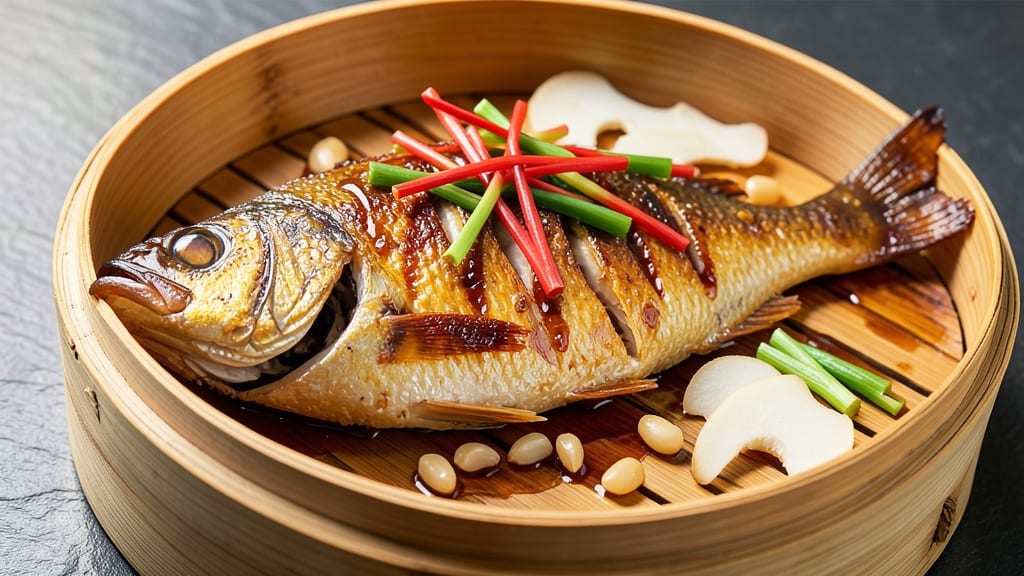
This Chinese baked whole fish recipe delivers the perfect balance of crispy skin and silky, flaky flesh—just like your favorite restaurant dish. The secret lies in marinating the fish with aromatic ginger, soy sauce, and a touch of honey to create a caramelized crust while keeping the center tender.
I’ve perfected this technique over years of testing, ensuring every bite is restaurant-quality without the fuss.
What makes this recipe stand out is the precise baking method: high heat for crispiness, then a gentle finish to maintain moisture. Traditional Chinese flavors shine through with simple ingredients like scallions, sesame oil, and a light soy glaze that adds depth.
The result is a visually stunning dish that’s as impressive as it is delicious.
By the time your fish emerges from the oven, it will be golden and crisp on the outside, with flesh that flakes effortlessly at the touch of a fork.
The aroma alone—ginger, garlic, and soy—will transform your kitchen into a taste of China. Serve with steamed rice and stir-fried vegetables for an authentic meal.
This method works beautifully with firm white fish like snapper or sea bass, but you can adapt it to your favorite varieties. The key is patience in marinating and careful temperature control during baking. Let’s create something extraordinary together.
Ingredients for chinese baked whole fish
Simple ingredients transform into restaurant-style crispy fish with silky centers.
| Ingredient | Amount | Notes |
|---|---|---|
| Whole Snapper or Sea Bass 🐟 | 1 ½ lb | Fresh, firm white fish preferred |
| Fresh Ginger 🧄 | 2 tbsp | Finely grated, aromatic variety |
| Light Soy Sauce 🥄 | ¼ cup | Kikkoman preferred for balance |
| Honey 🍯 | 2 tbsp | Wildflower for floral notes |
| Scallions 🧅 | 4 whole | Thinly sliced, white and green parts |
| Garlic Cloves 🧄 | 4 cloves | Minced, fresh preferred |
| Sesame Oil 🫒 | 1 tbsp | Toasted, for aroma |
| Cornstarch 🌾 | 2 tbsp | For crispy crust coating |
| Salt 🧂 | 1 ½ tsp | Kosher, for seasoning |
| Black Pepper 🌶️ | ½ tsp | Freshly ground, subtle heat |
| Rice Vinegar 🍶 | 1 tbsp | For glaze brightness |
| Vegetable Oil 🫒 | 2 tbsp | High smoke point for baking |
| Sesame Seeds 🌱 | 1 tbsp | Toasted, for garnish |
The fish is everything here. Snapper or sea bass are ideal—they hold their shape and stay tender. Grab the freshest from your local fishmonger or trusted seafood counter (look for bright, clear eyes and firm flesh). If you can't find snapper, cod or halibut work too, but avoid anything too delicate like tilapia. The ginger should smell vibrant—none of that dusty stuff from the back of your spice rack. Penzeys or local Asian markets carry the freshest ginger if your grocery store's isn't up to snuff. For the soy sauce, Kikkoman light soy is the gold standard—it's balanced and won't overpower the delicate fish flavor.
No snapper? Cod or halibut are great substitutes—they're firm and hold up well. Running out of sesame oil? Avocado oil works in a pinch, though it lacks that nutty aroma. The honey can be swapped for maple syrup if you're avoiding refined sugar, but honey's floral notes really elevate the dish. For the cornstarch coating, arrowroot powder works too if you're gluten-free. The scallions? Fresh is best, but if you're in a bind, dried onion flakes at half the amount will give you a similar kick. And if you can't find toasted sesame oil, regular sesame oil plus a pinch of toasted sesame seeds in the marinade does the trick.
This marinade keeps for 3 days in the fridge, but the fish should marinate for no more than 2 hours—longer and it'll get mushy. The cornstarch coating stays crispy for about 10 minutes after baking, so serve immediately with steamed rice. Any leftovers? Freeze for up to 1 month—just reheat gently in a skillet to revive the crisp. I always make extra marinade to drizzle over rice or noodles—it's that good.
Why You'll Love This Recipe
- One-Pan Magic: I swear by this recipe when I’m too tired to scrub a million dishes—just the fish, a sheet pan, and 20 minutes later, dinner’s ready. The ginger and honey glaze caramelizes right on the skin while the fish bakes, so you don’t even need a stovetop.
- Sweet-Savory Balance: That honey-soy glaze? It’s the star. The snapper stays moist inside while the edges get this addictive crisp, and the fresh ginger cuts through the richness—like a little umami hug in every bite. My kids fight over the last piece, and I don’t even care.
- Weeknight to Celebration: Honestly, this works for everything. Toss it together for a lazy Tuesday, double the recipe for a dinner party, or pack leftovers for lunch—it reheats like a dream (just a quick broil to revive the crisp). The scallions add a pop of color, so it feels fancy without the fuss.
- Budget-Friendly Feast: Between us, whole fish is cheaper than filets, and this recipe stretches it further than you’d think. The leftovers? Even better the next day—shred the flaky bits into noodles or rice, and you’ve got a whole new meal. My wallet and my freezer both thank me.
Step-by-step instructions for Chinese baked whole fish
Here's how to achieve that perfect balance of crispy skin and tender flesh every time.
Prepare the Fish for Maximum Crispiness
Start by patting the whole snapper or sea bass completely dry with paper towels. I can't emphasize this enough—moisture is the enemy of crispy skin. Pay special attention to the cavity and around the fins where water tends to collect. Once dry, make a few shallow slashes on both sides of the fish about ½ inch apart using a sharp knife. This allows the marinade to penetrate deeper and creates those beautiful crispy pockets.
In a small bowl, whisk together the 0.25 cup light soy sauce, 2 tbsp honey, 1 tbsp rice vinegar, 1 tbsp sesame oil, 1.5 tsp salt, and 0.5 tsp black pepper. Pour this marinade evenly over both sides of the fish, making sure to coat the cavity as well. Let it sit at room temperature for 15-20 minutes while you prepare the rest of the ingredients.
Create the Crispy Cornstarch Coating
In a separate bowl, mix the 2 tbsp cornstarch with the 1 tbsp sesame seeds and 4 cloves minced garlic. This coating is what gives the fish that signature crispy texture. Gently pat the marinated fish dry once more with paper towels—this step is crucial for adhesion. Then, press the cornstarch mixture firmly onto both sides of the fish, making sure to cover every inch completely. The coating should feel slightly gritty to the touch.
While the fish is coated, preheat your oven to 400°F. Line a baking sheet with parchment paper and lightly brush it with 2 tbsp vegetable oil. This prevents sticking and adds to the crispiness. Place the coated fish on the prepared baking sheet, skin-side up. The oil will help create that beautiful golden crust we're after.
Bake Until Golden and Crispy
Bake the fish for 12-15 minutes until the skin turns a deep golden brown and the fish releases easily from the baking sheet. You'll know it's ready when the skin looks crispy and the edges start to pull away slightly. If you're unsure, check the internal temperature with a meat thermometer—it should read 145°F at the thickest part of the fish.
During the last 2 minutes of baking, sprinkle the 4 whole scallions (sliced thinly) evenly over the top of the fish. These will add a fresh, oniony crunch that cuts through the richness of the crispy skin. The scallions should wilt slightly but remain vibrant in color.
Rest and Serve for Perfect Texture
Remove the fish from the oven and let it rest on a wire rack for 5 minutes. This resting period is essential—it allows the juices to redistribute throughout the fish, ensuring every bite is moist and flavorful. If you skip this step, you'll end up with a fish that's dry on the inside despite that perfect crispy exterior.
To serve, carefully transfer the fish to a platter. The skin should be crispy enough to stand up to gentle pressure, while the flesh should flake easily with a fork. Garnish with any remaining scallions and serve immediately with steamed jasmine rice and stir-fried vegetables. The contrast between the crispy skin, silky flesh, and fresh scallions makes this dish truly special.
Pro Tips For Making Chinese Baked Whole Fish
- Preheat Pan Properly: Snapper and sea bass cook fast—don’t start at medium. Crank your oven to 425°F (220°C) and let the baking dish sit for 10 minutes first. I learned this after my first batch emerged undercooked because the pan stole heat. A hot dish = crispy skin, not soggy fish.
- Score Ginger Thinly: Skip the thick slices—julienne the ginger into matchsticks for even distribution. It infuses faster and melts into the fish without clumping. (Yes, it looks fussy, but your future self will notice the difference.)
- Don’t Overcrowd Scallions: Tossing scallions on top? Space them out—no overlapping. They’ll steam instead of crisp, and you’ll end up with a sad, limp garnish. A light scatter ensures they caramelize slightly, adding texture.
- Baste Midway, Not Too Early: Wait 15 minutes into baking before basting with the honey-soy glaze. Too soon, and the skin won’t set; too late, and the fish dries out. A quick brush with a pastry brush does the trick—no need to flip.
Wine and beer pairings for this chinese baked whole fish
Light White Wine
A crisp, dry Sauvignon Blanc from New Zealand or China is my go-to pairing for this dish. The bright acidity and citrus notes in wines like Cloudy Bay or Yanhuangding cut through the richness of the crispy skin while complementing the ginger and soy marinade.
Look for a bottle with 12-13% alcohol to balance the dish's bold flavors without overpowering them. Serve slightly chilled (45-50°F) to enhance its refreshing qualities. 🍷
Rice Wine Options
For an authentic Chinese touch, reach for Shaoxing wine—a fermented rice wine commonly used in Chinese cooking. A dry Shaoxing wine (like Jiafan) adds depth to the dish's flavors and pairs beautifully with the soy and ginger profile.
Use it both in the marinade and as a pairing—just pour 2 oz into a small wine glass and serve at room temperature. It’s light enough to let the fish shine while adding a familiar cultural connection.
Light Beer Pairings
If you prefer beer, a light lager or Pilsner works surprisingly well. Brands like Tsingtao or Sapporo offer a clean, crisp profile that won’t clash with the dish’s delicate flavors.
The subtle malt sweetness in these beers complements the honey and soy in the marinade, while the effervescence helps cleanse the palate between bites. Serve at 40-45°F to keep it refreshing. 🍺
Sparkling Wine Finish
For a celebratory touch, finish the meal with a glass of Prosecco or Chinese sparkling wine like Lao Wang Jiao. The bubbles and slight sweetness provide a refreshing contrast to the savory, crispy fish.
Opt for a dry or extra-dry style to avoid overpowering the dish’s flavors. Serve in small glasses to maintain the celebratory feel without overwhelming the meal.
Avoid Heavy Options
Skip bold reds like Cabernet Sauvignon or heavy whites like Chardonnay—they’ll overpower the delicate flavors of the fish. Even rich beers like stouts or IPAs can clash with the dish’s subtle balance.
Instead, stick to lighter options that let the fish’s crispy skin and silky center take center stage. Your palate will thank you for the harmony. ✨
Nutrition facts
Frequently asked questions
What's the best fish for this Chinese baked whole fish recipe?
Firm white fish like snapper or sea bass work perfectly—they hold their shape and stay tender. Cod or halibut are great substitutes if snapper isn't available. Avoid delicate fish like tilapia, as they'll fall apart when baked whole. Always choose fresh fish with bright eyes and firm flesh for the best results.
Can I bake this fish without cornstarch for a gluten-free version?
Yes! Swap the cornstarch for arrowroot powder—it creates the same crispy texture without gluten. For extra crunch, mix arrowroot with 1 tbsp toasted sesame seeds and 1 tbsp minced garlic just like the original recipe. The coating should still feel slightly gritty for that signature crisp.
How do I know when the fish is fully cooked?
The fish is done when the skin turns deep golden brown and the flesh flakes easily with a fork. For precision, use a meat thermometer—it should read 145°F at the thickest part. If the skin isn't crispy enough, return it to the oven for 2-3 extra minutes until golden. Never overcook, as this can make the flesh dry.
Can I make this recipe ahead of time?
Marinate the fish for up to 2 hours ahead, but don't coat it in cornstarch until ready to bake. For leftovers, store baked fish in an airtight container for 1 day—reheat gently in a skillet to restore crispiness. Freeze for up to 1 month, but the texture won't be as perfect after thawing. Best enjoyed fresh!
What if my fish skin isn't crispy?
Pat the fish extra dry before coating and ensure the oven is fully preheated to 400°F. Brush the baking sheet with vegetable oil and bake on the middle rack for even heat. If the skin still isn't crispy, broil for 1-2 minutes at the end (watch closely to avoid burning). The cornstarch coating must be pressed firmly onto dry skin for maximum crispiness.