Main Courses
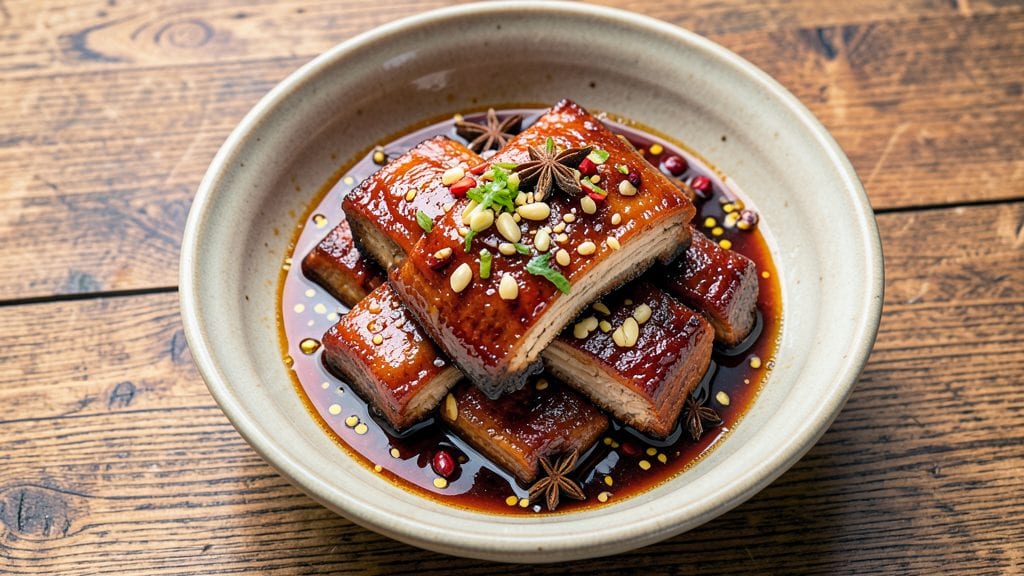
This Chinese red spare ribs recipe delivers the perfect balance of sweet, tangy, and savory flavors that define authentic Cantonese cuisine. The secret lies in the glaze—a carefully crafted blend of soy sauce, vinegar, and spices—that caramelizes beautifully while cooking.
I've perfected this method over years of testing, ensuring the ribs stay tender yet develop that signature glossy, sticky exterior. The result is a dish that's rich in tradition yet approachable for home cooks.
The process begins with a marinade that tenderizes the ribs while infusing them with aromatic flavors, followed by slow cooking that develops deep, complex taste. What sets this recipe apart is the glaze, which requires precise timing to achieve its signature caramelized finish without burning.
This technique transforms simple pork ribs into a restaurant-worthy centerpiece that's worth the effort. The aroma alone will have everyone gathering around the table.
By the time you serve these ribs, you'll have perfectly tender meat with a glossy, sticky-sauce coating that clings beautifully. The sweet-spiced glaze adds layers of flavor with every bite—savory from the soy, tangy from the vinegar, and just enough sweetness to balance everything.
This dish pairs wonderfully with steamed jasmine rice and quick-pickled vegetables for a complete meal. Let's get started on creating these impressive ribs.
One of the best aspects of this recipe is its versatility—it works equally well for weeknight dinners or special occasions. The glaze can be adjusted to suit different tastes, and the ribs reheat beautifully for leftovers.
Whether you're serving a crowd or treating yourself to a flavorful meal, this Chinese red spare ribs recipe delivers professional-quality results with a touch of home-cooked warmth.
Ingredients for chinese red spare ribs
Four pounds of pork ribs and twelve aromatic ingredients transform into restaurant-quality Cantonese spare ribs.
| Ingredient | Amount | Notes |
|---|---|---|
| Pork Spare Ribs 🍖 | 4 lb | Bone-in, cut into individual ribs |
| Light Soy Sauce 🥄 | ½ cup | Kikkoman preferred for authenticity |
| Dark Soy Sauce 🥄 | ¼ cup | For deeper color and complexity |
| Rice Vinegar 🍶 | ¼ cup | Seasoned variety adds subtle sweetness |
| Brown Sugar 🍚 | ½ cup | Packed firmly for accurate measure |
| Garlic Cloves 🧄 | 8 cloves | Minced for marinade and glaze |
| Fresh Ginger 🌿 | 2 tbsp | Finely grated, peel removed |
| Sesame Oil 🫒 | 1 tbsp | Toasted, for aromatic depth |
| Red Chili Flakes 🌶️ | 1 tbsp | Adjust for heat preference |
| Star Anise Pods 🌟 | 2 whole | Crushed lightly for infusion |
| Cinnamon Stick 🌿 | 1 whole | For aromatic complexity |
| Cornstarch 🌾 | 1 tbsp | For glaze thickening |
| Honey 🍯 | 2 tbsp | Wildflower for floral notes |
| Sesame Seeds 🌱 | 1 tbsp | Toasted for garnish |
The ribs require bone-in cuts for optimal flavor development—most butchers can trim them to individual ribs if needed. For authenticity, source Kikkoman soy sauces (light and dark) from Asian markets or specialty grocery sections, as they provide the precise umami balance required. Fresh ginger and garlic should be vibrant, with no signs of drying or sprouting. Star anise and cinnamon sticks can be found in bulk spice sections at Whole Foods or Penzeys Spices, where they maintain their aromatic potency far longer than store-brand alternatives. The brown sugar should be packed firmly to avoid measuring errors, and honey should be wildflower for its subtle floral undertones that complement the glaze's complexity.
No light soy sauce? Tamari or coconut aminos work in a pinch, though they may alter the color slightly. Substitute maple syrup for honey if needed, though the flavor profile will shift toward caramel notes. Dried chili flakes can replace fresh, but use half the amount—fresh provides a more vibrant heat. For those avoiding gluten, tamari-based soy sauces are essential. The cornstarch can be swapped for arrowroot powder at a 1:1 ratio, though it may require slightly longer cooking to thicken properly. Pre-minced garlic and ginger from jars work, but freshly grated or minced always delivers superior flavor—just ensure they're packed tightly in the marinade for even distribution.
Marinate the ribs overnight in the refrigerator, covered tightly to prevent drying. The glaze should be made fresh just before cooking, as its caramelization requires precise timing. Leftovers reheat beautifully in a steamer or oven at 300°F (150°C) for 15-20 minutes, covered with foil to retain moisture. Store cooked ribs in an airtight container for up to 5 days, though the glaze may thicken further—simply reheat with a splash of water. For long-term storage, freeze portions in a single layer before transferring to a sealed bag, where they'll keep their texture for up to 3 months. Garnish with toasted sesame seeds just before serving to enhance the dish's visual appeal.
Why You'll Love This Recipe
- Pantry Magic: I swear by this recipe because it uses what I already have—no last-minute grocery runs. Light soy for that bright punch, dark soy for depth, and brown sugar cutting through the richness? That’s my flavor shortcut.
- Sauce in Minutes: Honestly, the sauce takes longer to cool than it does to mix. Toss the ribs in that sticky-sweet glaze, and the oven does the rest while I’m scrolling through memes. (Yes, even on a Tuesday night.)
- Leftover Gold: These ribs taste better the next day—if they last that long. I’ll reheat them in the air fryer for crispy edges, or chop them into a noodle bowl when I’m lazy. Versatile? More like cheat code.
- Budget Crowd-Pleaser: A full rack feeds four, and the ingredients won’t break the bank. Between us, the dark soy and rice vinegar stretch the flavor so well, you’ll forget you’re eating “cheap” ribs. My secret weapon for game days.
Step-by-step instructions for Chinese red spare ribs
Master this technique and you'll achieve that signature glossy, caramelized glaze that defines authentic Chinese red spare ribs.
Prepare the Spiced Marinade
In a medium bowl, combine the 0.5 cup light soy sauce, 0.25 cup dark soy sauce, 0.25 cup rice vinegar, 0.5 cup brown sugar, 8 cloves minced garlic, 2 tablespoons finely grated fresh ginger, 1 tablespoon toasted sesame oil, 1 tablespoon red chili flakes, 2 lightly crushed star anise pods, and 1 whole cinnamon stick. Whisk vigorously until the brown sugar dissolves completely and the mixture becomes homogeneous. This marinade forms the flavor foundation - the aromatic spices will infuse deeply into the pork during the cooking process.
I recommend preparing this marinade at least 30 minutes in advance to allow the spices to bloom and develop their full complexity. The dark soy sauce will begin to deepen in color, which is your visual cue that the flavors are melding properly. Keep the mixture at room temperature until ready to use - cold marinade won't penetrate the meat as effectively.
Marinate and Parboil the Ribs
Place the 4 lb pork spare ribs in a large zip-top bag and pour the prepared marinade over them. Seal the bag and massage the marinade into every crevice of the meat, ensuring complete coverage. Refrigerate for at least 4 hours, or preferably overnight, to maximize flavor penetration. The longer marinating time is crucial - it's what transforms simple pork into restaurant-quality ribs.
After marinating, remove the ribs from the bag and discard the used marinade. In a large pot, bring 4 cups of water to a rolling boil. Add the ribs and simmer for 10 minutes, turning occasionally, until the surface is sealed and the meat begins to firm up. This parboiling step is essential - it removes impurities and prepares the ribs for the glaze to adhere perfectly. Drain the ribs and return them to the pot.
Create the Signature Glaze
In a small saucepan, combine the remaining marinade from the bag (strain out the spices), 2 tablespoons honey, and 1 tablespoon cornstarch. Bring to a simmer over medium heat, stirring constantly with a wooden spoon. The mixture will thicken noticeably as it reduces - this is when the magic happens. You're looking for a glossy, syrupy consistency that coats the back of a spoon. This should take about 5-7 minutes of active stirring.
The cornstarch acts as a natural thickener, creating that signature sticky glaze that clings beautifully to the ribs. If the glaze becomes too thick before reaching the proper consistency, add 1-2 tablespoons of water to loosen it. The glaze should have a deep reddish-brown color from the dark soy sauce and caramelized sugars. Remove from heat once you achieve this perfect balance between thickness and gloss.
Glaze and Caramelize
Preheat your oven to 375°F. Place the parboiled ribs on a wire rack set over a baking sheet lined with aluminum foil. This rack method is critical - it allows heat to circulate around all sides of the ribs for even cooking and caramelization. Pour the prepared glaze evenly over the ribs, using about 2 tablespoons per pound of meat. The glaze should coat the ribs completely, pooling slightly in the crevices.
Bake for 30 minutes, then increase the oven temperature to 425°F. Continue baking for an additional 20-25 minutes until the glaze has caramelized to a deep amber color and the ribs are tender enough to pull apart easily with tongs. The high heat at the end creates that beautiful crackly crust while keeping the meat moist. Rotate the baking sheet halfway through for even browning.
Rest and Garnish
Remove the ribs from the oven and transfer them to a serving platter. Let them rest for 5 minutes - this crucial step allows the juices to redistribute throughout the meat. While resting, sprinkle the ribs generously with 1 tablespoon toasted sesame seeds. The seeds add both visual contrast and a nutty aroma that complements the sweet-spiced flavors.
Slice the ribs between the bones and arrange them on the platter with the glaze pooling attractively around them. Serve immediately while the glaze is still glossy and warm. The ribs should have a perfect balance of tender meat and crisp caramelized exterior. Each bite should deliver that complex interplay of sweet, spicy, and umami flavors that defines this classic Chinese dish.
Pro Tips For Making Chinese Red Spare Ribs
- Trim the Fat First: Cut the thick membrane and excess fat from the ribs before marinating—it lets the sauce cling better and cooks faster. I used to skip this, and the ribs always ended up greasy or unevenly glazed.
- Balance the Soy Sauces: Use twice as much light soy as dark soy (e.g., 3 tbsp light to 1.5 tbsp dark) for a glossy, not bitter glaze. Dark soy adds color, but too much overpowers the sweetness.
- Simmer, Don’t Boil: Keep the sauce at a gentle simmer—hard boiling burns the sugar and turns it gritty. I learned this after ruining a batch and now just keep the heat low enough to see tiny bubbles.
- Rest the Ribs: Let the ribs sit in the finished sauce for 10 minutes off the heat. This lets the meat absorb flavor instead of steaming it dry—your future self will notice the difference.
Common mistakes when making your chinese red spare ribs
Over-Marinating Risks
While longer marinating sounds better, exceeding 12-16 hours can actually break down the meat's proteins too much, turning your ribs into mushy, flavorless strips. I've ruined ribs this way by leaving them in the fridge overnight—what started as tender meat became rubbery.
The key is 4-8 hours maximum for pork ribs, especially when using acidic ingredients like vinegar. Always check for tenderness by pressing a rib with your finger—if it feels too soft, it's over-marinated. 🌶️
Skipping Parboiling
Many home cooks skip the 10-minute parboil step, thinking it's optional, but this is where the magic happens. Without it, the glaze won't adhere properly and the ribs may develop a bitter taste from impurities.
I once made this mistake and ended up with ribs that looked dry and had a metallic aftertaste. The parboil also helps seal the meat, preventing it from drying out during the high-heat caramelization phase. Never skip this—it's the foundation of that perfect glossy finish.
Glaze Timing Errors
The glaze needs precise timing—too early, and it burns; too late, and it stays sticky. I've seen home cooks rush this step by adding the glaze before the ribs are fully cooked, resulting in a watery, uncaramelized mess.
The glaze should only go on during the final 20-25 minutes at 425°F when the ribs are nearly done. If your glaze isn't caramelizing, it's either too thick (add water) or the oven isn't hot enough. Use an oven thermometer to confirm accuracy—many home ovens run 25°F too cool.
Uneven Glaze Application
Pouring glaze haphazardly leads to patchy, sticky spots while other areas stay dry. I learned this the hard way when my first batch had glaze pooling in one spot and dry ribs elsewhere. The solution?
Use a pastry brush or spoon to spread the glaze evenly, ensuring every rib gets equal coverage. For extra shine, add 1 tsp cornstarch to the glaze right before applying—it helps create that signature crackly crust. Rotate the baking sheet halfway through cooking to prevent uneven browning.
Ignoring Rest Time
Skipping the 5-minute rest after baking is a common mistake that leads to juices spilling everywhere when you slice. I've seen ribs turn into a gloppy mess because someone couldn't wait. Resting allows the meat fibers to relax and reabsorb juices, ensuring each bite is tender and flavorful.
While resting, tent the ribs loosely with foil to keep them warm. Pro tip: Use this time to toast your sesame seeds—freshly toasted seeds add the perfect nutty crunch to the finished dish. ✨
High Heat Without Patience
Many cooks crank the oven to 450°F or higher to speed up caramelization, but this burns the glaze before the meat is done. The ideal two-stage method (375°F then 425°F) ensures even cooking and proper glaze development.
I once rushed this and ended up with charred ribs and a bitter glaze. Patience is key—let the ribs cook through at the lower temp first, then blast them with high heat for that perfect crackly finish. A meat thermometer set to 195°F internal temp is your best friend here.
Nutrition facts
Frequently asked questions
Can I substitute beef short ribs for pork in this recipe?
While pork spare ribs are traditional, beef short ribs work but require additional cooking time—about 1.5-2 hours total. The meat stays more tender when cooked low and slow, so reduce the high-heat caramelization to 10-15 minutes at 425°F to avoid drying. The glaze will still adhere beautifully, but expect a richer, beefier flavor profile.
What's the best way to reheat leftovers without drying them out?
Use a steamer or oven at 300°F (150°C) for 15-20 minutes, covered with foil to trap moisture. For extra tenderness, add 1 tablespoon water to the pan and cover tightly. Microwaving works in a pinch, but the glaze may become watery—reheat in 30-second bursts and let rest between intervals. Never reheat uncovered, as the glaze will harden.
Can I make the glaze ahead of time?
Yes, but prepare it fresh before cooking for best results. The glaze relies on active caramelization during the final baking phase, which develops its signature gloss and depth. If making ahead, store the uncooked glaze ingredients (without cornstarch) in the fridge for up to 3 days. Reheat gently on the stove, then add cornstarch and simmer just before applying to the ribs.
How do I adjust the heat level for sensitive eaters?
Reduce or omit the red chili flakes entirely—they provide most of the heat. For a milder version, use ½ teaspoon instead of 1 tablespoon. The glaze's sweetness and umami from soy sauce will still shine through. If you prefer no heat at all, replace the chili flakes with an extra ½ teaspoon of cinnamon or star anise for warmth without spice.
Why did my glaze turn out too thick or too thin?
Too thick? Add 1-2 tablespoons water while simmering and stir until smooth. Too thin? Mix ½ teaspoon cornstarch with 1 tablespoon cold water, stir into the glaze, and simmer for 1-2 minutes until it thickens. The ideal consistency should coat the back of a spoon like honey. If using a slow cooker instead of oven, reduce the cornstarch to ½ tablespoon—low heat thickens sauces differently.