Main Courses
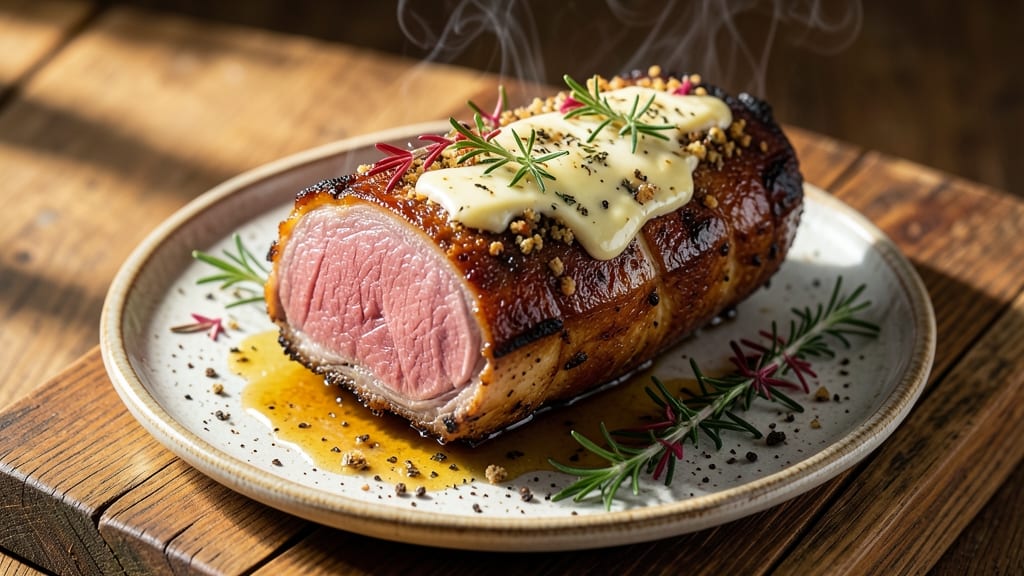
A perfectly cooked classic roast leg of lamb recipe transforms a simple dinner into an elegant centerpiece that wows guests without requiring advanced skills.
The secret lies in a well-balanced herb crust that locks in moisture while creating a flavorful bark, paired with precise cooking times to guarantee a juicy pink center that melts in your mouth.
I've roasted countless legs of lamb over the years, and this method consistently delivers restaurant-quality results at home.
What sets this recipe apart is the combination of traditional techniques and simple ingredients—just a few fresh herbs, garlic, and olive oil work together to create an aromatic crust that elevates the natural richness of the lamb.
The key is patience: allowing the meat to come to room temperature before roasting ensures even cooking, while a low-and-slow approach in the oven prevents drying out. This isn't just another roast; it's a showstopper that pairs beautifully with roasted vegetables or a bright red wine reduction.
By following this method, you'll achieve a leg of lamb with a crispy, golden crust that gives way to tender, pink meat inside—no guesswork required. The herb mixture adheres perfectly during roasting, infusing every bite with fragrant aromas of rosemary, thyme, and garlic.
Whether you're hosting a dinner party or treating yourself to a special meal, this recipe delivers professional results with minimal effort.
Once roasted, the lamb rests while you prepare sides, allowing the juices to redistribute for maximum tenderness. Carving is straightforward, and the leftovers reheat beautifully for sandwiches or salads the next day. This is lamb roasting made simple—without sacrificing flavor or texture. Let's get started on creating your perfect centerpiece.
Ingredients for classic roast leg of lamb
Simple yet transformative ingredients elevate this classic roast leg of lamb to restaurant-quality perfection.
| Ingredient | Amount | Notes |
|---|---|---|
| Leg of Lamb 🐑 | 4 ½ lb | Bone-in, French-style preferred |
| Fresh Rosemary 🌿 | ¼ cup | Finely chopped, stems removed |
| Fresh Thyme 🌿 | ⅛ cup | Leaves only, stems discarded |
| Garlic Cloves 🧄 | 8 cloves | Peeled, minced into fine paste |
| Extra-Virgin Olive Oil 🫒 | ½ cup | High-quality, fruity variety |
| Diamond Crystal Kosher Salt 🧂 | 1 ½ tbsp | Coarse grain preferred |
| Freshly Ground Black Pepper 🌶️ | 1 tsp | Freshly cracked for maximum aroma |
| Unsalted Butter 🧈 | ¼ cup | Cold, cubed for herb mixture |
| Red Wine 🍷 | ½ cup | Dry, full-bodied variety |
| Fresh Lemon Juice 🍋 | 2 tbsp | Freshly squeezed from organic lemons |
| Honey 🍯 | 1 tbsp | Wildflower or clover variety |
| Fresh Parsley 🌿 | 0.1 cup | Chopped, for garnish |
| Baby Potatoes 🥔 | 2 lb | Halved, for side dish |
| Carrots 🥕 | 1 ½ lb | Whole, scrubbed for side dish |
The leg of lamb is the centerpiece, and French-style cuts with bone deliver superior flavor and moisture retention. Source from a reputable butcher or specialty grocer like Whole Foods Market or D'Artagnan for optimal quality. Look for a piece with even fat distribution and a vibrant pink hue—avoid any with yellowing or excessive bruising. The herb mixture requires fresh rosemary and thyme for maximum aromatic impact; dried substitutes will yield less vibrant results. For the olive oil, invest in a premium extra-virgin variety like California Avocado Ranch or Colavita—the fruity notes complement the lamb beautifully. Allow the lamb to sit at room temperature for 1-2 hours before roasting to ensure even cooking throughout.
Substitutions should maintain the herbaceous depth of this recipe. If fresh rosemary is unavailable, use dried rosemary at one-third the amount, but expect a less pronounced flavor. For the red wine, dry white wine or beef broth work in a pinch, though the resulting crust will be subtly different. The honey can be omitted entirely if preferred, but it adds a delicate sweetness that balances the richness of the lamb. For the side vegetables, frozen baby potatoes or pre-cut carrots save preparation time without sacrificing quality. The butter in the herb mixture is essential for binding the crust—use full-fat, unsalted butter to avoid compromising flavor. If you lack a food processor for the garlic paste, simply mince the garlic finely with a knife and proceed with the recipe.
Proper storage ensures the lamb remains tender and flavorful. Once roasted, allow the lamb to rest for 20-30 minutes before carving to redistribute juices. Store leftovers in an airtight container in the refrigerator for up to 4 days, or freeze for 3 months by wrapping tightly in plastic wrap and aluminum foil. The herb mixture can be prepared up to 2 days in advance and stored in the refrigerator, though fresh preparation yields the best results. For the side vegetables, roast them alongside the lamb to maintain even cooking. Reheat leftovers gently in the oven at 350°F to preserve moisture—microwaving can dry out the lamb. Garnish with fresh parsley just before serving to maintain vibrant color and aroma.
Why You'll Love This Recipe
- Here’s what sold me: this lamb is exactly what you need for holidays, dinner parties, or when your in-laws visit. It feeds a crowd, looks impressive, and still feels cozy. Plus, the leftovers? They’re just as good cold in sandwiches the next day—no one will guess it’s lamb unless you tell them.
- I’ll be real: lamb can feel fancy, but this recipe stretches your dollar so well. A single leg serves six, and the herbs and olive oil are minimal. The best part? The meat stays juicy and flavorful even when reheated, so you’re not stuck with sad, dry leftovers. My wallet—and my taste buds—thank me every time.
Step-by-step instructions for classic roast leg of lamb
Master this technique for a perfectly juicy pink center and crisp herb crust every time.
Prepare the Herb Crust and Season the Lamb
In a food processor, pulse the 0.25 cup fresh rosemary, 0.125 cup fresh thyme, 8 cloves garlic cloves, 1.5 tablespoons diamond crystal kosher salt, 1 teaspoon freshly ground black pepper, and 0.25 cup cold unsalted butter until finely chopped but not pasty. This herb mixture should resemble coarse breadcrumbs with visible herb flecks.
Transfer the mixture to a bowl and stir in 0.5 cup extra-virgin olive oil until fully incorporated. Pat the 4.5 lb leg of lamb dry with paper towels, then rub the herb mixture generously over all surfaces, pressing it into the meat. Let the lamb sit at room temperature for 30 minutes before roasting—this ensures even cooking and maximum flavor penetration.
Roast the Lamb to Perfect Medium Rare
Preheat your oven to 325°F and place a rack in a roasting pan. Position the lamb fat-side up on the rack—this allows the fat to render and baste the meat during cooking. Roast for 1 hour 45 minutes until the internal temperature reaches 125°F when measured with a meat thermometer in the thickest part of the leg.
Real talk: The internal temperature is your only reliable guide. The crust will be golden brown, but the meat should remain juicy pink inside. If you prefer a more well-done center, continue roasting until 135°F, but I recommend stopping at 125°F for that classic tender experience.
Rest and Slice for Maximum Juiciness
Remove the lamb from the oven and transfer it to a cutting board. Tent loosely with aluminum foil and let it rest for 20 minutes—this critical step allows the juices to redistribute throughout the meat. Skipping this will result in dry slices, no matter how perfectly you roasted it.
After resting, slice the lamb against the grain into ½-inch thick portions. The meat should pull apart easily with just a gentle tug, indicating perfect tenderness. Arrange the slices on a warm platter and keep them covered until serving to maintain heat and moisture.
Prepare the Herb-Glazed Vegetables
While the lamb rests, heat 0.5 cup red wine in a large skillet over medium-high heat until reduced by half. Add the 2 lb halved baby potatoes and 1.5 lb whole carrots, tossing to coat in the wine reduction. Roast the vegetables at 400°F for 25-30 minutes until tender and caramelized.
In a small bowl, whisk together 2 tablespoons fresh lemon juice and 1 tablespoon honey. Drizzle this mixture over the roasted vegetables and toss to coat. The acidity of the lemon brightens the natural sweetness of the carrots while the honey adds a subtle caramel note that complements the lamb beautifully.
Assemble and Garnish for Presentation
Arrange the sliced lamb on a platter surrounded by the herb-glazed vegetables. Spoon any remaining wine reduction from the skillet over the lamb and vegetables. Garnish with 0.1 cup chopped fresh parsley for a pop of color and freshness.
Serve immediately with crusty bread or a simple green salad. The contrast of warm, herbed lamb with cool, crisp greens creates a balanced meal that highlights the natural flavors of the dish. Each bite should deliver tender, juicy meat with a fragrant herb crust and a touch of sweetness from the glaze.
Pro Tips For Making Classic Roast Leg Of Lamb
- Preheat the Pan: I used to skip this, but a screaming-hot Dutch oven or roasting pan for 10 minutes—yes, even if you’re impatient—guarantees that crust. The lamb’s juices won’t pool away, and the garlic and herbs will caramelize instead of steaming. Trust me, the difference is noticeable.
- Trim the Fat Evenly: Leave a thin layer of fat (¼-inch max) for flavor, but shave off any thick patches—especially on the fatter side. Uneven fat renders at different rates, leaving some parts dry while others stay greasy. A sharp knife and steady hand make this quick, and the result is juicy in every bite.
- Don’t Overcrowd the Herbs: Stuffing rosemary and thyme sprigs into the garlic slits? That’s how you end up with bitter, charred stems. Instead, loosely tuck 2-3 sprigs around the garlic cloves—just enough to perfume the oil without blocking heat. The leaves will crisp beautifully, not turn to mush.
- Rest It Under Foil: After roasting, tent the lamb with foil and let it sit for 15 minutes—no peeking. I learned this the hard way: cutting into it too soon sends all the juices pooling out, leaving you with a dry slice. The foil traps heat, and the meat reabsorbs what it’s earned. (Your future self will thank you.)
Regional styles of this dish
French Herb-Crusted Style
In France, the classic approach focuses on a herb crust with rosemary, thyme, and garlic—just like this recipe—but often includes a splash of white wine instead of red.
The French prefer a slightly more well-done center (135°F internal temp) for a firmer texture, which pairs beautifully with ratatouille or buttery mashed potatoes. I’ve found that using Dijon mustard in the herb mixture adds depth, a trick I picked up from a Parisian chef. 🌿
Middle Eastern Spiced Version
For a bold twist, swap the herb crust for a spice rub of ground cumin (1 tbsp), smoked paprika (1 tsp), and ground coriander (1 tsp). This approach is common in countries like Lebanon and Jordan, where lamb is often marinated in yogurt and lemon before roasting.
Serve with tabbouleh salad and warm pita bread for a complete meal. The spices caramelize beautifully during roasting, creating a fragrant bark. 🌶️
British Mint and Mustard Crust
The British love their mint and mustard flavor profile, so this variation calls for finely chopped fresh mint (0.25 cup) and Dijon mustard (2 tbsp) mixed into the herb crust. The mint brightens the dish, while the mustard adds a tangy kick.
This style is often paired with Yorkshire pudding or roasted Brussels sprouts—a hearty combo perfect for a Sunday roast. The crust turns a deep golden color, almost like a glaze. 💛
Mediterranean Lemon-Herb Style
In Mediterranean regions like Greece and Turkey, lemon zest (1 tbsp) and oregano (1 tbsp) are staples in the herb mixture. The acidity from the lemon cuts through the richness of the lamb, while oregano adds an earthy note.
This version is lighter and pairs wonderfully with grilled vegetables or a Greek salad. The lemon also helps tenderize the meat slightly during roasting. 🍋
American BBQ-Glazed Twist
For a Southern-inspired take, baste the lamb with a honey-mustard glaze during the last 30 minutes of roasting. Mix 0.5 cup honey, 0.25 cup Dijon mustard, and 0.25 cup apple cider vinegar, then brush it on every 10 minutes.
This creates a sticky, caramelized crust that’s perfect for pulled lamb sandwiches or serving with cornbread. The glaze adds a sweet-savory contrast to the herb crust. 🔥
Nutrition facts
Frequently asked questions
How do I choose the best leg of lamb for roasting?
Look for a French-style bone-in cut weighing 4-5 pounds with even fat distribution and a vibrant pink color. Avoid pieces with yellowing or excessive bruising. The fat cap should be about ½-inch thick—this helps keep the meat moist during roasting. Ask your butcher for a "center-cut" leg for maximum tenderness.
Can I cook the lamb to medium or well-done instead of medium rare?
Yes, but the texture will change significantly. For medium (140°F), roast until the internal temp hits 140°F—expect slightly firmer meat. For well-done (160°F), continue to 160°F, but the lamb will be drier. The herb crust works best with medium rare (125°F) for that classic tender experience.
What's the best way to reheat leftover roast lamb?
Slice leftovers and reheat in a 350°F oven for 15-20 minutes until warmed through. Never microwave—it dries out the meat. For sandwiches, warm slices in a skillet with a splash of broth for extra moisture. Store leftovers in an airtight container for up to 4 days.
Do I need to trim excess fat from the lamb before roasting?
Leave the fat cap intact—it renders during cooking and bastes the meat naturally. Only trim any large, uneven fat deposits that might burn. The fat helps create that beautiful golden crust while keeping the meat juicy inside. The ½-inch layer is perfect for flavor and moisture retention.
What if my oven doesn't have a rack for the roasting pan?
Use a wire rack placed on top of a baking sheet or directly in the roasting pan. If neither is available, create a makeshift rack with crumpled aluminum foil. The key is to elevate the lamb so heat circulates evenly and the fat drips away instead of pooling. This prevents soggy meat and uneven cooking.