Sauces & Condiments
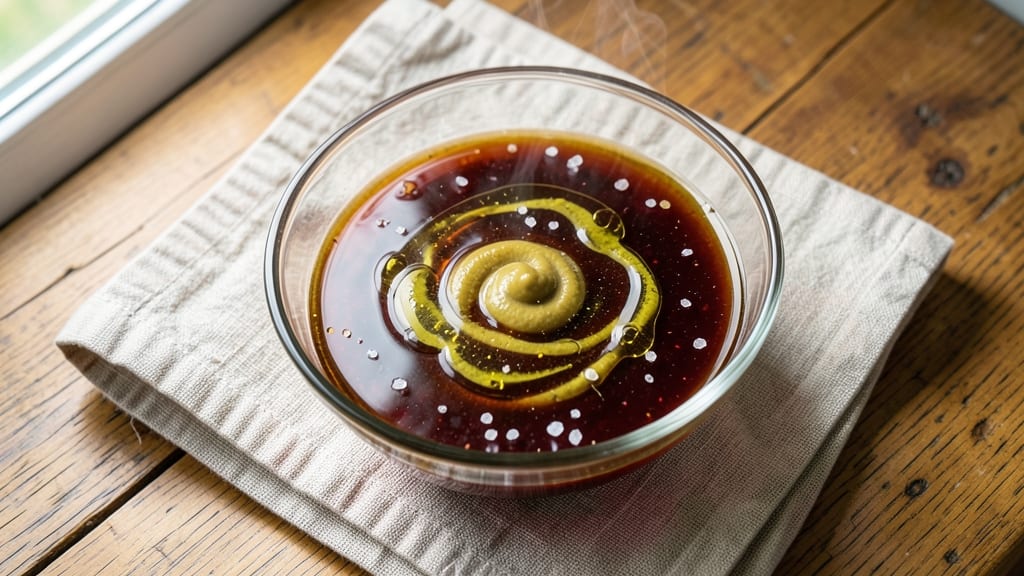
This copycat Longhorn White Balsamic Vinaigrette recipe brings that signature sweet-tangy balance home, making every bite as unforgettable as the restaurant’s. This copycat recipe captures the restaurant's signature flavor profile—where white balsamic vinegar meets Dijon mustard and olive oil in perfect harmony.
The secret lies in precise measurements and proper emulsification, ensuring a smooth, velvety texture that clings to salads, steaks, or even roasted vegetables.
What sets this vinaigrette apart is its restaurant-quality depth achieved with just six simple ingredients. The white balsamic adds a subtle sweetness that contrasts beautifully with the sharp tang of red wine vinegar, while Dijon mustard provides that signature bite.
I've perfected the emulsification process so you get a dressing that stays creamy, not separating even after days in the fridge. This is the kind of sauce that elevates any dish from ordinary to extraordinary.
The result is a dressing with a velvety texture and complex flavor—sweet, tangy, and just slightly peppery from the mustard. It's the perfect balance that makes Longhorn's salads and steakhouse sides so memorable.
This recipe delivers restaurant-quality flavor without the markup, and it takes just minutes to prepare. Once you taste the difference, you'll never go back to store-bought again.
Best of all, this vinaigrette keeps beautifully in the refrigerator for up to a week, making it perfect for meal prep. Whether you're dressing up a simple salad or drizzling over grilled meats, this copycat recipe will become your new go-to.
Let's get started on creating this bistro-style favorite at home.
Ingredients for copycat longhorn white balsamic vinaigrette
Six ingredients. One velvety sauce. That restaurant-quality Longhorn tang at home.
| Ingredient | Amount | Notes |
|---|---|---|
| White Balsamic Vinegar 🍷 | ½ cup | High-quality, aged variety |
| Red Wine Vinegar 🍷 | ¼ cup | Dry and crisp preferred |
| Extra-Virgin Olive Oil 🫒 | ¾ cup | Light, fruity flavor preferred |
| Dijon Mustard 🍯 | 2 tbsp | Mellow, not hot variety |
| Granulated Sugar 🍚 | 1 tbsp | Fine grain preferred |
| Coarse Sea Salt 🧂 | 1 tsp | Diamond Crystal preferred |
| Freshly Ground Black Pepper 🌶️ | ¼ tsp | Freshly cracked preferred |
The white balsamic is the star—look for aged varieties at specialty stores like Whole Foods or Trader Joe's for that deeper sweetness. I grab mine from the Italian section—it’s worth the extra $2 for that restaurant-level flavor. Red wine vinegar? Bertolli or Anchor are my go-tos, but any dry, crisp vinegar works. The olive oil matters too—skip the cheap stuff. California Extra Virgin brands like Corto or Muir Glen give that fruity punch without overpowering.
No white balsamic? Substitute with 2 tbsp extra honey plus 2 tbsp red wine vinegar—it’s not identical, but close. Dijon mustard too strong? Yellow mustard at half the amount softens the bite. The sugar is non-negotiable—it balances the tang, so don’t skip it. For a spicier kick, add a pinch of cayenne. And if you’re making this ahead, emulsify it again before using—it’ll separate slightly after sitting.
This keeps for up to 1 week in the fridge, but it’s best fresh. Store it in a clean glass jar with a tight seal—no plastic, or it’ll absorb flavors. Need to make a big batch? Double the recipe, but store it in smaller jars so you’re not dealing with a giant container. Pro tip: Add a splash of water if it gets too thick—it thins it out perfectly.
Why You'll Love This Recipe
- No Fuss, Big Payoff: I swear by this for lazy nights—just shake five ingredients in a jar, and boom, you’ve got dressing. The white balsamic and red wine vinegar combo cuts through the richness of olive oil while the Dijon mustard adds that je ne sais quoi without needing a whisk.
- Sweet-Tart Magic: That balance of sugar and acid? It’s the kind of flavor that makes you pause mid-bite. The white balsamic gives it a creamy depth, while the red wine vinegar keeps it bright—like a fancy salad but with half the effort.
- Jar-to-Table Flexibility: This dressing plays well everywhere: drizzle it on grilled chicken, toss it with roasted veggies, or even use it as a marinade. I’ve even used the leftovers to glaze roasted carrots—trust me, it’s a game-changer there too.
- Pantry Staple Power: Honestly, if you’ve got vinegar, oil, and mustard, you’re golden. No specialty ingredients, no last-minute grocery runs. And since it keeps for weeks in the fridge, you’ll always have a backup for when you forget the store-bought stuff.
Step-by-step instructions for copycat Longhorn white balsamic vinaigrette
This bistro-style dressing delivers that perfect sweet-tangy balance—just like the famous Longhorn version.
Whisk Together the Vinegars and Sugar
In a medium bowl, combine the 0.5 cup white balsamic vinegar and 0.25 cup red wine vinegar. I like to use a whisk for this step—it helps blend everything smoothly right from the start. Add the 1 tablespoon granulated sugar and stir until completely dissolved. You'll notice the sugar disappears quickly, creating a slightly syrupy base that forms the foundation of the dressing.
Here's the thing—using both vinegars gives you that complex flavor profile. The white balsamic adds sweetness and depth, while the red wine vinegar brings bright acidity. Let this mixture sit for 2-3 minutes while you prepare the other ingredients. This brief resting period allows the flavors to begin melding together.
Incorporate the Mustard and Seasonings
Add the 2 tablespoons Dijon mustard to the vinegar mixture and whisk vigorously for about 30 seconds until completely smooth. The mustard helps emulsify the dressing later, preventing separation. Then add the 1 teaspoon coarse sea salt and 0.25 teaspoon freshly ground black pepper, whisking just until combined—you don't want to overmix here.
I always use freshly ground black pepper because pre-ground pepper loses its potency quickly. The coarse sea salt adds a pleasant texture contrast to the smooth dressing. Give everything another quick stir to make sure the salt and pepper are evenly distributed throughout the mixture.
Slowly Incorporate the Olive Oil
With the whisk still in the bowl, begin adding the 0.75 cup extra-virgin olive oil very slowly—about 1 tablespoon at a time. After each addition, whisk vigorously for 10-15 seconds until the oil is fully incorporated. This gradual approach is crucial because olive oil and vinegar naturally separate.
You'll know you're doing it right when the dressing starts to thicken slightly and becomes emulsified. If you add the oil too quickly, you'll end up with a split dressing. Keep whisking until the mixture reaches your desired consistency—it should coat the back of a spoon without being too thick.
Taste and Adjust to Perfection
Taste the dressing immediately—this is where you can make any final adjustments. If it needs more sweetness, add a pinch more granulated sugar. For extra tang, add a splash of either vinegar. I usually find this ratio works perfectly, but everyone's taste buds are different.
The dressing should have a bright, balanced flavor with a slight sweetness from the balsamic vinegar and sugar, followed by the sharp tang of the red wine vinegar. The Dijon mustard adds a subtle depth that rounds out the flavors beautifully. Once you're happy with the taste, transfer the dressing to a clean jar or bottle with a tight-sealing lid.
Let It Rest and Shake Before Using
Allow the dressing to sit at room temperature for at least 1 hour before using it. This resting period lets all the flavors fully meld together. If you're in a hurry, you can use it immediately, but the flavors will be even more harmonious after resting.
Before each use, give the dressing a good shake—even if it looks emulsified. The olive oil has a tendency to separate over time, especially if the jar sits for a while. A quick shake will bring everything back together beautifully. This dressing keeps well in the refrigerator for up to 2 weeks, making it perfect for meal prep.
Pro Tips For Making Copycat Longhorn White Balsamic Vinaigrette
- Whisk Like You Mean It: The Longhorn version isn’t just sweet—it’s emulsified. Pour the vinegars and mustard first, then drizzle in the olive oil slowly while whisking like you’re trying to win a bet. Stop when it’s thick enough to coat the back of a spoon (about 30 seconds of serious effort). I used to rush this and end up with separation—don’t be that person.
- Warm the Vinegars First: Chill vinegar straight from the fridge tastes harsh and metallic. Pop the white balsamic and red wine vinegar in a microwave-safe bowl for 10 seconds before mixing—just enough to take the edge off. Trust me, your salad will thank you when it doesn’t taste like you’re drowning it in vinegar.
- Skip the Cheap Sugar: Granulated sugar works, but the Longhorn version uses a touch of sweetness that actually elevates the tang. If you’re using regular sugar, measure it precisely (1 tsp is enough)—too much turns the dressing cloying. Better yet, swap in honey or maple syrup for depth (½ tsp), but reduce the sugar to ½ tsp if you do.
- Taste Before the Mustard: Mix the vinegars, sugar, and a splash of water first, then taste. The mustard should be the last thing in—it’s easier to adjust the balance of sweet and sour before committing. I learned this after making a batch where the mustard overpowered everything. Now I add it last, then tweak the sugar to fix it.
Make-ahead tips for this copycat longhorn white balsamic vinaigrette
Prep Ahead for Meal Prep
Make this vinaigrette up to 3 days in advance—it actually tastes better after resting as the flavors meld together. I like to prep it on Sunday so it's ready for the week's salads and steakhouse sides.
Store it in a clean glass jar with a tight seal in the fridge. The dressing will thicken slightly after refrigeration, so add 1-2 teaspoons of water when ready to use to restore its ideal consistency. 📅
Batch Size Flexibility
This recipe makes about 1 cup of dressing—perfect for a family of four. Need more? Double the ingredients, but store in smaller jars (like 8-ounce mason jars) to prevent separation. For a single serving, halve the recipe and store in a small airtight container.
I always keep a small jar in my fridge for quick salads, and a larger batch for meal prep. 🍽️
Freezer-Friendly Option
While this vinaigrette isn't ideal for long-term freezer storage (the texture can break down), you can freeze it for up to 1 month if needed. Portion it into ice cube trays—each cube makes about 1 tablespoon of dressing.
Once frozen, transfer the cubes to a freezer bag with the air squeezed out. Thaw in the fridge overnight before using. This works great for emergency meal prep or when you know you'll need it later in the month. ❄️
Emulsification Refresh
If you notice separation after storing, don't toss it! Simply shake vigorously or whisk for 30 seconds to re-emulsify. For stubborn separation, add 1 teaspoon of water and whisk until smooth.
I've had this dressing sit for up to 2 weeks in the fridge, and a quick shake brings it back to perfection every time. This trick saves me from making a whole new batch when I'm in a hurry. 💫
Flavor Boost After Storage
The longer this dressing sits, the more complex its flavors become. After 3-4 days, the white balsamic and vinegar flavors deepen beautifully. If you want to enhance it further, add a dash of lemon juice or a pinch of freshly cracked black pepper before using.
This is especially useful if you've prepped it for a week and want to revive its brightness. It’s like giving your dressing a little flavor shot! ✨
Travel-Friendly Packing
Pack this dressing in a small leak-proof container (like a 3-ounce mason jar) when meal prepping for work or travel. The thick texture means it won’t spill, and the tight seal keeps it fresh.
I like to pair it with pre-cut veggies or a small salad kit for a quick, restaurant-quality lunch. Just give it a shake before drizzling—it’ll be ready to elevate any meal on the go. 🚗
Nutrition facts
Frequently asked questions
Can I make this vinaigrette without white balsamic vinegar?
Yes, but the flavor will differ slightly. Substitute with 2 tablespoons extra honey plus 2 tablespoons red wine vinegar to mimic the sweetness. For a closer match, use 1 tablespoon balsamic glaze (like the kind you find in bottles) instead of the vinegar. The texture will be slightly thicker, but the tangy-sweet balance remains intact.
How do I fix a separated vinaigrette?
Separation happens when oil and vinegar split, but it's easily fixed! Simply shake vigorously for 10-15 seconds or whisk for 30 seconds until fully emulsified. For stubborn separation, add 1 teaspoon water and whisk again. This dressing is designed to stay creamy, but temperature changes (like moving from fridge to room temp) can cause temporary separation.
What's the best way to store leftover dressing?
Store in a clean glass jar with a tight-sealing lid in the refrigerator for up to 2 weeks. The dressing will thicken slightly—add 1-2 teaspoons water when ready to use. For longer storage, freeze in ice cube trays (each cube = 1 tablespoon) and transfer to a freezer bag. Thaw overnight in the fridge before using. Avoid plastic containers as they can absorb flavors.
Can I use this dressing on proteins like steak or chicken?
This vinaigrette works beautifully as a marinade or finishing sauce for grilled meats. For marinating, combine with 1 tablespoon olive oil and let proteins sit for 30-60 minutes before cooking. The sweet-tangy balance enhances the natural flavors of steak, chicken, or even shrimp. Just avoid over-marinating delicate fish.
Why does the recipe call for both white and red wine vinegar?
The combination creates the signature Longhorn flavor profile. White balsamic adds sweet depth, while red wine vinegar provides bright acidity. Together, they balance perfectly—sweet enough to complement rich dishes, but tangy enough to cut through fats. Using just one vinegar would miss that complex harmony. Think of it as the yin and yang of your dressing!