
Main Courses
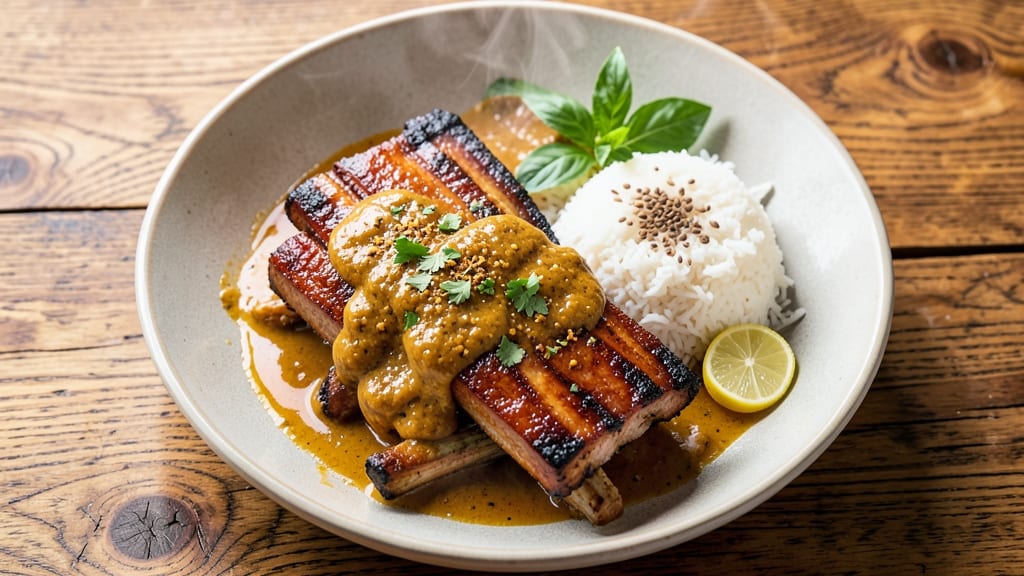
This curry ribs recipe delivers melt-in-your-mouth tenderness with aromatic spices that transform tough cuts into restaurant-worthy masterpieces. The slow-simmering process unlocks deep, complex flavors while ensuring every bite falls apart effortlessly—no dry, chewy ribs here.
I perfected this method after years of testing, and the secret lies in balancing heat, moisture, and precise timing.
The recipe begins with a foolproof marinade of curry powder, garlic, ginger, and citrus that tenderizes the meat while infusing it with bold, warming spices. You'll then slow-cook the ribs until they're fork-tender, basting them with a rich, velvety sauce that clings to each surface.
This method works equally well on the grill, in a slow cooker, or in the oven, giving you flexibility for any cooking setup.
What you'll end up with is fall-apart ribs glistening with a caramelized, spice-crusted exterior and succulent meat that practically dissolves on your tongue. The aroma alone will have everyone gathering around the table, and the first bite delivers that perfect harmony of smoky, sweet, and spicy flavors.
Serve with steamed rice and naan to soak up every last drop of that delicious sauce.
Perfect for feeding a crowd or meal prepping for the week, these ribs are versatile enough for weeknight dinners or special occasions. The technique scales easily, so you can adjust the quantity without sacrificing tenderness. Let's get started on creating ribs that will have everyone asking for seconds.
Ingredients for curry ribs
Six aromatic ingredients transform tough ribs into restaurant-quality masterpieces—no shortcuts, just slow-simmered perfection.
| Ingredient | Amount | Notes |
|---|---|---|
| Pork Baby Back Ribs 🍖 | 4 lb | Bone-in, meaty ends included |
| Curry Powder 🌶️ | ½ cup | Mild or medium heat preferred |
| Garlic Cloves 🧄 | 8 cloves | Peeled, roughly chopped |
| Fresh Ginger 🌿 | ¼ cup | Grated, aromatic variety |
| Lemon Juice 🍋 | ¼ cup | Freshly squeezed |
| Brown Sugar 🍯 | ½ cup | Light or dark preferred |
| Apple Cider Vinegar 🍎 | ¼ cup | For tangy depth |
| Vegetable Oil 🫒 | ¼ cup | For searing ribs |
| Carrots 🥕 | 1 lb | Whole, peeled, chopped |
| Onions 🧅 | 1 whole | Yellow or red, sliced |
| Coconut Milk 🥥 | 1 can (13.5 oz) | Full-fat for richness |
| Chicken Broth 💧 | 2 cups | Low-sodium preferred |
| Honey 🍯 | ¼ cup | For caramelized glaze |
| Salt 🧂 | 1 ½ tbsp | Diamond Crystal preferred |
| Black Pepper 🌶️ | 1 tsp | Freshly ground |
The ribs are the star, so look for bone-in baby backs with good meat-to-bone ratio. Costco or local butchers often have the best quality at competitive prices. The curry powder should be vibrant—not dusty. Penzeys or Spicewalla carry excellent blends, but the store brand works if it's fresh. Fresh ginger and garlic are non-negotiable here—they make all the difference in flavor. The coconut milk should be full-fat for that rich, velvety sauce. Thai Kitchen brand is my go-to when I don't have time to open a can myself.
No curry powder? Mix 2 tbsp each of turmeric, coriander, and cumin for a basic substitute. Fresh ginger too expensive? Ground ginger at half the amount works in a pinch, but it lacks the same punch. Running low on coconut milk? Heavy cream with a splash of vanilla mimics the richness. The carrots and onions can be swapped for celery and bell peppers if you prefer. For the broth, low-sodium is key—we're not trying to overpower the ribs with salt. The honey adds that perfect caramelized finish, but maple syrup works too if you're out.
The marinade keeps for 3 days in the fridge, so make extra. The ribs themselves reheat beautifully—350°F for 15 minutes with sauce keeps them moist. Portion the sauce separately if you're prepping ahead—it freezes well for up to 3 months. I always make double batches because the leftovers are perfect for sandwiches the next day. Store ribs in their cooking juices to maintain moisture.
Why You'll Love This Recipe
- One-Pan Magic: I swear by this recipe when I’m too tired to scrub pots—just ribs, curry, and garlic on a sheet pan, then 30 minutes in the oven. The lemon juice keeps it bright, so you don’t even need a side dish.
- Flavor Bomb: That curry powder isn’t just spice—it’s warmth with a little kick, and the ginger cuts through the richness of the ribs. Honestly, the first bite makes me forget it’s a weeknight dinner.
- Leftovers That Don’t Suck: These ribs taste better the next day, especially shredded in tacos or over rice. I make a double batch because my kids beg for them cold in sandwiches—no one complains about reheating these.
- Budget Feast: Baby back ribs are a splurge, but this recipe stretches them far. A pound feeds four, and the curry powder is cheap enough that I keep it stocked. Between us, it’s my secret for fancy-ish meals without the grocery bill.
Step-by-step instructions for slow-cooked curry ribs
Here's how to transform tough ribs into melt-in-your-mouth perfection using aromatic spices and slow cooking.
Prepare and Sear the Ribs
Start by removing the membrane from the ribs - it's that thin, papery layer on the bone side. Slide your thumb under it and peel it away using a butter knife. This ensures maximum tenderness. Pat the ribs dry with paper towels - moisture is the enemy of crispy edges.
Heat the 0.25 cup vegetable oil in a large Dutch oven over medium-high heat. Once shimmering, add the 4 lb pork baby back ribs meaty-side down. Sear undisturbed for 8-10 minutes until deep golden brown forms. Flip and sear the other side for another 6-8 minutes. The ribs should develop a caramelized crust while remaining slightly pink in the center - this is crucial for both flavor and texture.
Build the Flavor Base
Remove the ribs from the pot and set aside. In the same Dutch oven, add the 1 whole onions and 1 lb carrots chopped into bite-sized pieces. Cook for 5 minutes until softened. Add the 8 cloves garlic cloves and 0.25 cup fresh ginger (grated) and cook for another 1 minute until fragrant - this releases their essential oils that will infuse the ribs.
Stir in the 0.5 cup curry powder, 1.5 tbsp salt, and 1 tsp black pepper. Cook for 30 seconds to toast the spices slightly - this deepens their flavor. Immediately pour in the 0.25 cup apple cider vinegar and 0.25 cup lemon juice, scraping up any browned bits from the bottom. These acids will help tenderize the meat while adding brightness to the sauce.
Simmer with Coconut Milk and Broth
Return the ribs to the pot, meaty-side up. Pour in the 1 can (13.5 oz) coconut milk and 2 cups chicken broth. The liquid should come about halfway up the ribs. Bring to a gentle simmer over medium-low heat - you should see small bubbles but no vigorous boiling. Cover partially with a lid and cook for 2 hours, turning the ribs occasionally to ensure even cooking.
After 2 hours, check for tenderness by inserting a meat thermometer into the thickest part - it should read 195-200°F. If not, continue cooking another 30-60 minutes. The ribs should be falling apart easily when pulled apart with tongs. Here's the thing - the longer they cook, the more tender they become, but don't rush this step or you'll end up with dry meat.
Glaze and Finish
In a small bowl, whisk together the 0.5 cup brown sugar and 0.25 cup honey until smooth. Pour this mixture over the ribs and spoon it evenly over all surfaces. Increase heat to medium-high and cook uncovered for 10-15 minutes, basting occasionally with the pan juices. The sugar will caramelize, creating a sticky glaze that locks in moisture and adds sweetness.
When the glaze is deep amber in color and the ribs are thoroughly coated, transfer them to a serving platter. Let rest for 10 minutes before serving - this allows the juices to redistribute throughout the meat. The ribs should be fork-tender with a beautiful caramelized crust that's both sweet and spicy from the curry.
Pro Tips For Making Curry Ribs
- BLISTER THE GARLIC FIRST: Toss whole garlic cloves into a dry skillet for 30 seconds until they’re sizzling and golden before adding them to the curry paste. I used to mince it raw—now the flavor pops and the ribs get that deep, toasty aroma without burning the garlic into oblivion.
- REST THE RIB MEAT: Pull the ribs from the fridge 30 minutes before cooking so they’re closer to room temp—this ensures even cooking. I learned this the hard way when the edges stayed tough while the center turned to mush. Trust me, it’s not worth the guesswork.
- GRATE THE GINGER FINE: Use the smallest holes on your grater for ginger—you want it almost paste-like, not chunky. I used to chop it, and the texture was all wrong. Fine grated ginger blends seamlessly into the sauce and gives those ribs real depth.
- BASTE WITH THE SAUCE: Every 20 minutes, spoon that sticky curry sauce over the ribs—it keeps them moist and caramelizes into a glossy crust. Skip this, and you’ll end up with dry ribs that look like they’ve seen better days. (Yes, even if you’re impatient like me.)
Flavor customization for this dish
Sweet Heat Balance
Adjust the curry powder to honey ratio for your preferred sweetness level. I recommend starting with 2 tbsp honey for every 1 tbsp curry powder—this creates a perfect balance between the bold spices and natural sweetness.
For extra heat, add 1 tsp cayenne pepper or ½ tsp red pepper flakes to the marinade. If you prefer milder ribs, reduce the curry powder to ¼ cup and add 1 tsp ground cinnamon for warmth instead. 🌶️
Citrus Variations
Swap the lemon juice for orange juice or lime juice to change the flavor profile completely. Orange juice adds a bright, slightly floral note that pairs beautifully with the coconut milk, while lime juice brings a sharper tang.
I like using ½ cup orange juice plus 1 tbsp lime juice for a tropical twist. For extra zing, add 1 tbsp grated orange zest to the marinade.
Spice Level Control
If you're serving kids or sensitive eaters, reduce the curry powder to ¼ cup and add 1 tsp ground coriander for a milder but still aromatic flavor. For adventurous eaters, increase the curry powder to ⅔ cup and add 1 tbsp mustard powder for depth.
I always keep a small bowl of plain yogurt or raita on the table for guests who want to cool the heat—it's a game-changer. 💡
Slow Cooker Adaptation
For hands-off cooking, transfer the seared ribs and marinade to a 6-quart slow cooker along with the onions, carrots, and coconut milk mixture. Cook on LOW for 6-7 hours or HIGH for 4-5 hours, then proceed with the glazing step on the stovetop.
The slow cooker method works especially well for spicier versions because the long cook time mellows the heat slightly while keeping the ribs tender.
Grilled Curry Ribs
For a smoky-grilled version, sear the ribs as directed, then transfer them to a charcoal or gas grill set to 250°F. Wrap the ribs in aluminum foil with the marinade, onions, and carrots, and grill for 2-3 hours, turning occasionally.
Unwrap and brush with the honey glaze during the last 15 minutes of grilling. The grill adds a delicious smokiness that complements the curry perfectly. ⚡
Vegetarian Option
For a plant-based version, use jackfruit or king oyster mushrooms cut into rib-like shapes. Marinate them in the same curry mixture and slow-cook for 3-4 hours until tender. The texture won't be identical, but the flavors are just as rich.
I like adding 1 cup chickpeas to the pot for extra protein and heartiness. Serve with coconut rice for a complete meal.
Nutrition facts
Frequently asked questions
How do I know when curry ribs are fully cooked?
Use a meat thermometer to check the internal temperature at the thickest part—it should reach 195-200°F. The ribs should also pull apart easily with tongs and have a deep amber glaze. If they're not tender enough after 2.5 hours, continue cooking another 30 minutes until fork-tender.
Can I make this recipe in a slow cooker?
After searing the ribs, transfer everything (including marinade, veggies, and coconut milk) to a 6-quart slow cooker. Cook on LOW for 6-7 hours or HIGH for 4-5 hours, then finish with the honey glaze on the stovetop. The slow cooker keeps the ribs moist while developing rich flavors.
What's the best way to store leftover curry ribs?
Store ribs in an airtight container with their cooking juices for up to 4 days in the fridge. For longer storage, freeze the ribs (without sauce) for 3 months. Reheat in a 350°F oven for 15 minutes with extra sauce to restore moisture. The sauce freezes well separately for 3 months too.
How can I adjust the spice level?
For milder ribs, reduce curry powder to ¼ cup and add 1 tsp cinnamon. For heat lovers, increase to ⅔ cup curry powder and add 1 tsp cayenne. Always keep yogurt or raita on hand to balance the heat. The slow cooker method naturally mellows spice intensity over time.
What sides pair best with curry ribs?
Classic pairings include steamed jasmine rice, garlic naan, and cucumber raita. For a tropical twist, serve with mango chutney and coconut rice. The sweet-spicy ribs also work well with roasted sweet potatoes or coleslaw for contrast.