
Sauces & Condiments
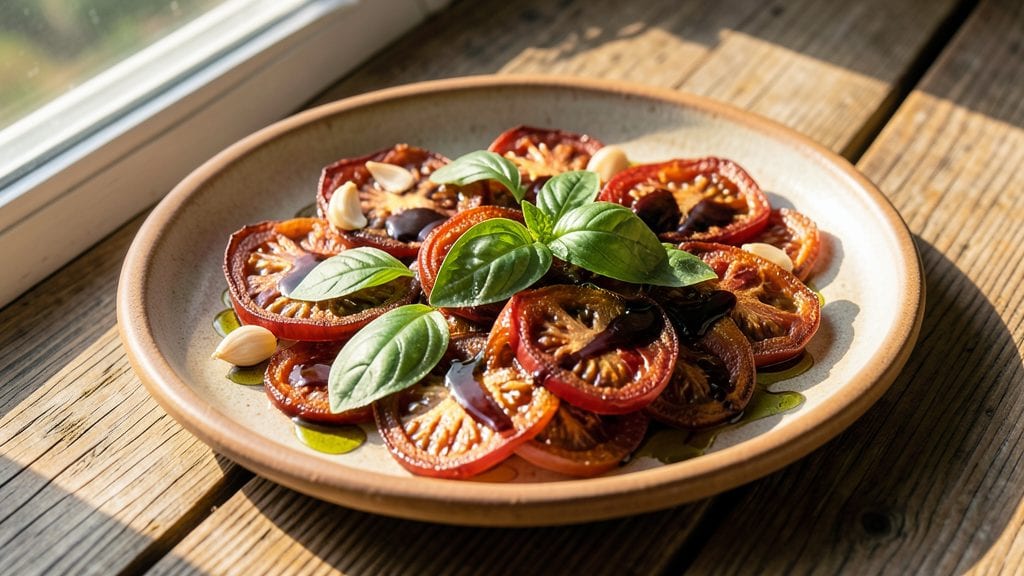
Dehydrating tomatoes transforms fresh garden harvests into intensely flavorful ingredients that elevate every dish you make. This method preserves their natural sweetness while concentrating their umami depth—perfect for sauces, pastas, or garnishes.
I’ve perfected a simple 6-step process that works with any ripe tomato variety, whether you’re working with whole fruits, slices, or even powdered forms for cooking.
The beauty of dehydrated tomatoes lies in their versatility—use them as sun-dried tomato pasta toppers, blend them into rich sauces for depth, or crush them into fine powders for seasoning.
The process requires just a dehydrator (or oven set to low heat) and about 6 hours of hands-off time, making it ideal for meal prep or preserving summer’s bounty.
What you’ll achieve is a pantry staple with restaurant-quality intensity—tomatoes that burst with concentrated flavor while maintaining their natural texture. The key is proper preparation (blotting, slicing, and arranging) to ensure even drying without losing color or nutritional value.
Store your dehydrated tomatoes in airtight containers for up to 6 months, or freeze them for longer shelf life. Whether you’re a home gardener or a sauce enthusiast, this technique turns ordinary tomatoes into a game-changer for your kitchen.
Ingredients for dehydrate tomatoes
Fresh tomatoes, olive oil, and herbs—simple ingredients that transform into restaurant-quality sun-dried intensity.
| Ingredient | Amount | Notes |
|---|---|---|
| Fresh Tomatoes 🍅 | 2 lb | Ripe, firm varieties like Roma or heirloom |
| Extra-Virgin Olive Oil 🫒 | 2 tbsp | For brushing and flavor infusion |
| Kosher Salt 🧂 | 1 ½ tsp | Diamond Crystal preferred for even distribution |
| Fresh Basil Leaves 🌿 | ½ cup | Packed, stems removed for garnish |
| Garlic Cloves 🧄 | 4 cloves | Peeled, minced for flavor infusion |
| Balsamic Vinegar 🍷 | 1 tbsp | For finishing after dehydration |
| Fresh Oregano 🍃 | ¼ cup | Chopped, for herbaceous depth |
| Unsalted Butter 🧈 | 2 tbsp | For post-dehydration coating |
| Lemon Juice 🍋 | 1 tbsp | Freshly squeezed for brightness |
| Vegetable Oil Spray 🫒 | 1 spray | Light coating for dehydrator trays |
| Honey 🍯 | 1 tsp | Optional for sweetness balance |
The tomatoes make or break this—Roma or heirloom varieties work best for their meaty texture and concentrated flavor. Local farmers markets often have perfect specimens in summer; look for vibrant color and firmness that gives slightly when gently squeezed. I always buy more than I need since they keep for days at room temperature. For the olive oil, California avocado oil or Italian extra-virgin adds subtle fruity notes that enhance the dehydration process. The kosher salt? Diamond Crystal dissolves more evenly than table salt, which is crucial for flavor distribution.
No fresh basil? Dried oregano at half the amount works in a pinch, though fresh herbs are ideal for that bright, aromatic finish. Want to skip the balsamic? Red wine vinegar gives a similar tang, just use the same amount. The butter is key for post-dehydration coating—cold, unsalted butter melts beautifully when brushed on the finished tomatoes, adding a velvety texture. For the garlic, roasted garlic (microwave 30 seconds) adds a sweeter depth. And if you're dehydrating in an oven instead of a dehydrator, prop the door open 2 inches for proper airflow.
Store your dehydrated tomatoes in glass jars with airtight lids—they’ll keep for up to 6 months in a cool, dark pantry. For longer storage, freeze them in single-serving portions wrapped in parchment paper. I always make extra to blend into sauces or chop for pasta garnishes. The flavor actually improves after 1-2 weeks of storage as the oils concentrate further. Rehydrate in warm water for 10 minutes if you need them softer for cooking.
Why You'll Love This Recipe
- No-Fuss Prep: I’ll admit, I used to dread slicing tomatoes—until I realized you just halve them, brush with olive oil, and let the dehydrator do the work. No peeling, no seeds, no fuss. Just 4-6 hours later, you’ve got golden, chewy slices ready to go.
- Umami Bomb: That garlic-infused olive oil? It turns these tomatoes into something else—deep, savory, with a hint of sweetness that’s ridiculously addictive. The basil leaves? They melt into the oil during drying, leaving behind a bright, herby punch that makes store-bought sun-dried tomatoes look sad.
- Pantry Superstar: Stash these in olive oil for 2 weeks, and you’ve got a jar of flavor to toss into pasta, bruschetta, or even scrambled eggs. Honestly, I keep a batch in my fridge just for emergencies—like when I forget to buy fresh basil or need a quick pizza topping. They’re my secret weapon.
- Budget Hack: Fresh tomatoes go bad fast, but these? They last months in the pantry. I buy seasonal tomatoes in bulk, dehydrate them, and suddenly a $3 bag of heirlooms turns into a $0.50-per-slice flavor upgrade. Plus, no wilting, no waste—just pure, concentrated tomato goodness whenever I need it.
Step-by-step instructions for dehydrated tomatoes recipe
Here's how to transform fresh tomatoes into intensely flavorful sun-dried gems using your dehydrator.
Prep Tomatoes for Even Dehydration
Start by cutting the 2 lb fresh tomatoes into ¼-inch thick slices—this thickness ensures even dehydration without over-drying the centers. I use a sharp chef's knife and work quickly to prevent bruising. For Roma tomatoes, slice them crosswise, while heirlooms may need a little more trimming to achieve uniform slices.
Place the tomato slices in a colander and sprinkle with 1.5 tsp kosher salt, massaging it gently into the flesh. This step enhances flavor and helps preserve the texture. Let them sit for 15 minutes while you prepare the dehydrator. The salt will draw out some moisture, which is exactly what we want for concentrated flavor later.
Arrange Tomatoes on Dehydrator Trays
Lightly spray two dehydrator trays with 1 spray vegetable oil spray—this prevents sticking and makes cleanup easier. Arrange the tomato slices in a single layer, leaving ¼ inch between each piece. Overcrowding leads to uneven drying and potential spoilage, so don't be afraid to use multiple trays if needed.
For best results, alternate the slices so they don't overlap. I like to place them cut-side up to maximize surface area exposure. If your dehydrator has adjustable racks, position them so air circulates evenly around all slices.
Dehydrate at Low Heat for Maximum Flavor
Set your dehydrator to 135°F—this low temperature preserves the tomatoes' natural enzymes and prevents them from becoming leathery. Dehydrate for 8-12 hours, checking periodically after 6 hours. The tomatoes are ready when they're pliable but no longer release moisture when gently squeezed. They should feel slightly sticky to the touch but not wet.
Real talk: The exact time depends on your dehydrator's efficiency and humidity levels. If your kitchen is particularly damp, you might need an extra hour or two. I always err on the side of under-drying slightly—you can always finish them in the oven later if needed.
Infuse with Herb and Garlic Oil
While the tomatoes dehydrate, create a flavor infusion by combining 2 tbsp extra-virgin olive oil, 4 cloves minced garlic cloves, 0.5 cup chopped fresh basil leaves, and 0.25 cup chopped fresh oregano in a small saucepan. Warm over low heat for 3 minutes, then remove from heat. Let this mixture steep for 10 minutes to develop the aromatics.
After the tomatoes reach the right consistency, brush them generously with this infused oil using a pastry brush. The herbs and garlic will penetrate the dehydrated flesh, adding layers of complexity. This step is what transforms simple dried tomatoes into gourmet ingredients worthy of pasta sauces or antipasto platters.
Finish with Acidic Brightness
In a small bowl, whisk together 1 tbsp lemon juice, 1 tbsp balsamic vinegar, and 1 tsp honey (if using). This mixture adds a tangy contrast to the rich tomato flavor. Lightly brush this finishing sauce over the oil-infused tomatoes, allowing it to soak in for 5 minutes. The acidity helps balance the sweetness from any caramelization that occurred during dehydration.
For extra richness, you can optionally coat the finished tomatoes with 2 tbsp melted unsalted butter, allowing it to absorb into the flesh. This creates a luxurious texture that's perfect for serving over bruschetta or melting into cheeses. Store in an airtight container in the refrigerator for up to 2 weeks or freeze for longer storage.
Pro Tips For Making Dehydrate Tomatoes
- HALVE THE TOMATOES: Cut them in half crosswise—not just any slice—so the seeds drain out while the flesh stays intact. I learned this the hard way when my first batch turned into a mushy, saucy mess because the tomatoes were too thick.
- SALT BEFORE HEAT: Sprinkle kosher salt on the tomatoes before hitting them with olive oil and garlic. The salt breaks down the cell walls just enough to help the flavors meld faster—no more waiting for the last-minute seasoning dance.
- LOW AND SLOW: Dehydrate at 160°F (70°C) or lower, even if it takes hours. Rushing to 200°F+ will scorch the edges before the centers dry, leaving you with chewy, uneven slices. Patience here means chewy, flavor-packed perfection.
- BLANCH FIRST: Dip whole tomatoes in boiling water for 30 seconds, then ice bath. It peels them effortlessly and removes excess moisture, so your dehydrated slices crisp up instead of sticking together like glue. (Yes, even if you’re impatient like me.)
Creative variations of dehydrate tomatoes
Sun-Dried Tomato Pasta Sauce
Blend ½ cup dehydrated tomatoes with 1 can (14 oz) crushed tomatoes, 3 cloves roasted garlic, and 1 tsp red pepper flakes in a food processor. Simmer with 2 tbsp olive oil and ½ cup heavy cream for 15 minutes until thickened.
Toss with linguine pasta and finish with grated Parmesan and fresh basil. The concentrated tomato flavor elevates any pasta dish. 🍝
Tomato Powder for Seasoning
Crush ¼ cup dehydrated tomatoes into a fine powder using a mortar and pestle or spice grinder. Store in an airtight container—this powder adds depth to soups, stews, and marinades. I use 1 tsp tomato powder in 2 cups beef broth for an instant umami boost.
It’s perfect for dry rubs or sprinkling over finished dishes for a smoky-sweet note. ✨
Antipasto Platter Garnish
Arrange whole dehydrated tomatoes (halved lengthwise) alongside prosciutto, mozzarella pearls, and roasted red peppers on a platter. Drizzle with balsamic glaze and sprinkle with flaky sea salt.
The tomatoes’ concentrated sweetness contrasts beautifully with salty cured meats. This presentation is ideal for summer gatherings or charcuterie boards. 🧀
Spiced Tomato Jam
Combine 1 cup chopped dehydrated tomatoes, ½ cup honey, 1 tsp ground cumin, and 1 tsp smoked paprika in a saucepan. Simmer for 20 minutes until thick and syrupy.
Spread on toasted baguette slices or use as a glaze for grilled chicken. The jam’s deep flavor makes it a versatile condiment for sandwiches or dips. 🍯
Stuffed Tomatoes
Core large fresh tomatoes, stuff with a mixture of crumbled goat cheese, chopped dehydrated tomatoes, and toasted pine nuts. Bake at 375°F for 15 minutes until the filling is bubbly.
Garnish with fresh thyme and a drizzle of aged balsamic. This dish highlights the tomatoes’ dual textures—juicy fresh and chewy dehydrated. 🌿
Global Variations
In Italian cuisine, dehydrated tomatoes are classic in pesto or risotto for depth. Mexican-style, blend them into salsa verde with cilantro and lime. For Mediterranean flavors, mix with feta and olives in a salad. Each adaptation showcases their versatility across cuisines. 🗺️
Nutrition facts
Frequently asked questions
Can I dehydrate tomatoes without a dehydrator?
Yes! Use your oven set to 175°F with the door slightly open (2 inches) for airflow. Arrange slices on a baking sheet lined with parchment paper and dehydrate for 6-8 hours, flipping halfway. Monitor closely to prevent over-drying. This method works well for small batches.
How do I store dehydrated tomatoes long-term?
Store in airtight glass jars or vacuum-sealed bags in a cool, dark place for up to 6 months. For longer storage, freeze them in single layers between parchment paper for up to 1 year. Properly stored dehydrated tomatoes maintain their flavor and texture beautifully.
What's the best tomato variety for dehydrating?
Roma or heirloom tomatoes work best due to their meaty texture and concentrated flavor. Avoid watery varieties like beefsteak—they won't hold up well during dehydration. Look for firm, ripe tomatoes with vibrant color for the best results.
Can I dehydrate tomatoes with skins on?
Yes, but peeling first creates a cleaner texture and better flavor infusion. The skin can become tough when fully dehydrated, so peeling is recommended for optimal results. If you prefer to keep the skins, just ensure they're washed thoroughly before dehydrating.
Why did my dehydrated tomatoes turn out leathery?
This usually happens from either over-drying or too-high heat. Aim for 135°F and check after 6 hours. They're done when pliable but not sticky. If they're already too dry, you can rehydrate them briefly in warm water before using in recipes.