Main Courses
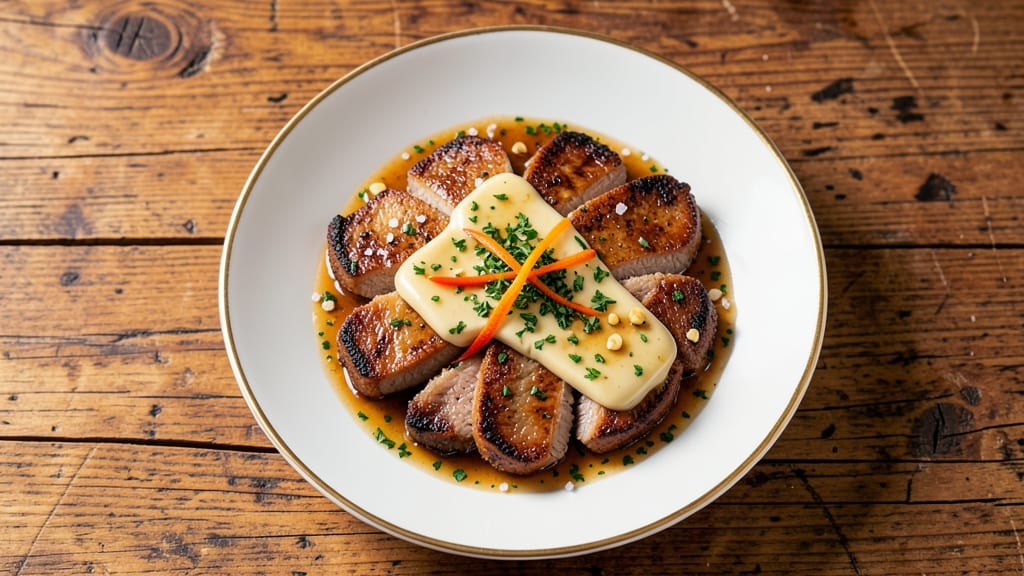
This fried calf liver recipe will help you turn that rich, delicate protein into a restaurant-quality dish you can recreate at home. The secret lies in precise pan-searing and herbed butter that elevates every bite to luxurious perfection.
After years of perfecting this technique, I've developed a method that ensures tender, golden edges while keeping the interior velvety and intact.
This recipe begins with carefully trimmed calf liver, seared in a hot pan to develop a crisp exterior before finishing with aromatic herbed butter. The key is maintaining 350–375°F heat throughout—too hot and it burns, too cool and it stays raw inside.
Deglazing the pan with a splash of wine or broth captures all those flavorful browned bits, creating a pan sauce that ties everything together.
What you'll achieve is a dish that's rich yet balanced, with a tender interior that melts in your mouth and a crispy exterior that adds satisfying texture. The herbed butter adds layers of flavor without overwhelming the natural richness of the liver, while the pan sauce provides a velvety finish.
This is the kind of meal that feels special enough for company but simple enough for weeknights.
Serve with classic sides like crispy roasted potatoes, a fresh arugula salad, or buttered toast to soak up every last bit of that luxurious pan sauce.
The combination creates a complete dining experience that rivals any fine-dining menu. Let's get started with this professional technique that delivers foolproof results every time.
Ingredients for fried calf liver
The foundation of restaurant-quality fried calf liver starts with these twelve ingredients—rich, delicate, and perfectly balanced.
| Ingredient | Amount | Notes |
|---|---|---|
| Calf Liver 🥩 | 1 ¼ lb | Fresh, trimmed of connective tissue |
| Unsalted Butter 🧈 | ½ cup | Cold, cut into 1-inch pieces |
| Fresh Parsley 🌿 | ¼ cup | Finely chopped, flat-leaf preferred |
| Fresh Chives 🌱 | 2 tbsp | Finely chopped, for herbed butter |
| Garlic Cloves 🧄 | 3 cloves | Minced, for herbed butter |
| Lemon Zest 🍋 | 1 tsp | Freshly grated, for herbed butter |
| Salt 🧂 | 1 tsp | Kosher or sea salt |
| Freshly Ground Black Pepper 🌶️ | ½ tsp | Coarsely ground |
| Dry White Wine 🍷 | ½ cup | Sauvignon Blanc or Pinot Grigio |
| Chicken Stock 💧 | ¼ cup | Homemade or high-quality store-bought |
| Flour 🌾 | 1 tbsp | All-purpose, for dredging |
| Vegetable Oil 🫒 | ½ cup | High smoke point for searing |
Calf liver demands the freshest quality—look for vibrant red color and firm texture at specialty butchers or high-end grocery stores like Whole Foods or D'Artagnan. Trim any connective tissue or silver skin before cooking to ensure a velvety texture. The herbed butter is where the magic happens: use European-style unsalted butter (like Plugrá or Kerrygold) for superior flavor. Fresh herbs are non-negotiable—dried won't deliver the same aromatic punch. For the wine, dry whites like Sauvignon Blanc or Pinot Grigio work best; avoid anything too oaky or sweet.
No white wine? Dry vermouth or chicken broth works in a pinch, though the flavor won't be identical. Short on parsley? Substitute with a mix of chives and tarragon at the same quantity. For the flour, bread flour works better than all-purpose if you want extra crispiness on the edges. The vegetable oil should have a high smoke point—avocado or refined peanut oil are ideal choices. If using pre-minced garlic, toast it in the pan for 30 seconds first to deepen its flavor before mixing into the butter.
Calf liver cooks in minutes—plan to serve immediately after searing. Store any unused herbed butter in an airtight container in the fridge for up to 3 days, or freeze for 3 months. The pan sauce can be reheated gently, but it's best enjoyed fresh. For leftovers (if any), slice and reheat in a warm pan with a splash of water or stock to prevent drying out. This dish is all about timing—don't overcook, or the liver will turn rubbery.
Why You'll Love This Recipe
- Here’s what sold me: the liver stays juicy while the edges get that golden, buttery crust. The parsley and chives brighten it up, but the real magic is how the garlic infuses into the butter—like a fancy bistro dish, but with ingredients you already own.
- Pan-Fried in Minutes: I swear by this recipe because it’s actually quick—no complicated searing or basting. Thin slices of calf liver hit the pan with butter, garlic, and herbs, and you’re done before your coffee goes cold. That’s right: 10 minutes flat, no fuss.
- Rich Without the Guilt: Here’s what sold me: the liver stays juicy while the edges get that golden, buttery crust. The parsley and chives brighten it up, but the real magic is how the garlic infuses into the butter—like a fancy bistro dish, but with ingredients you already own.
- Weeknight or Weekend Star: Between us, this is my go-to when I want to impress but don’t have hours. Serve it with toasted bread for a quick lunch, or pair it with roasted potatoes for a hearty dinner. Honestly, it works for both lazy Tuesdays and when my in-laws drop by.
Step-by-step instructions for pan-seared calf liver
Master this technique and you'll achieve perfectly cooked calf liver with tender texture and rich flavor.
Prepare the Herbed Butter and Dredge the Liver
In a small bowl, combine the 0.5 cup unsalted butter, 0.25 cup fresh parsley, 2 tablespoons fresh chives, 3 cloves minced garlic, and 1 teaspoon lemon zest. Mix until evenly distributed and form into a log shape. Wrap tightly in plastic wrap and chill for 30 minutes to firm up.
Pat the 1.25 lb calf liver dry with paper towels, then season both sides generously with 1 teaspoon salt and 0.5 teaspoon freshly ground black pepper. Place the 1 tablespoon flour in a shallow dish and dredge each piece lightly, shaking off any excess. This creates a delicate crust while preventing the liver from drying out during cooking.
Sear the Liver in Vegetable Oil
Heat 0.5 cup vegetable oil in a large skillet over medium-high heat until it shimmers but doesn't smoke. Add the dredged liver pieces and cook for 2-3 minutes per side until they develop a deep golden-brown crust. The liver should release easily from the pan when ready to flip.
This high-heat searing creates the signature crispy exterior while keeping the interior tender. Avoid overcrowding the pan—cook in batches if needed to maintain even heat. Remove the liver and set aside on a plate, keeping it warm.
Deglaze and Simmer the Sauce
Reduce heat to medium and carefully pour in the 0.5 cup dry white wine, scraping up any browned bits from the pan with a wooden spoon. Let it simmer for 2 minutes until reduced by half. Add the 0.25 cup chicken stock and continue simmering for 3-4 minutes until slightly thickened.
Remove the skillet from heat and add the chilled herbed butter log. Stir until completely melted and incorporated, creating a rich, aromatic sauce. The butter's herbs will infuse into the sauce, adding bright freshness to balance the liver's richness.
Finish and Serve Immediately
Return the liver to the skillet and spoon the herbed butter sauce generously over the top. Let it warm through for 1-2 minutes, then transfer to serving plates. The liver should be bright pink in the center with a crispy exterior—never overcooked.
Serve immediately with the sauce spooned over the top. Each piece should be tender enough to cut easily with a fork but still hold its shape. The herbed butter sauce adds a luxurious finish that complements the liver's natural richness without overpowering it.
Pro Tips For Making Fried Calf Liver
- PAT THE LIVER DRY: DESCRIPTION: Calf liver is 80% water—don’t let it steam in its own juices. Grab paper towels and blot both sides aggressively right before cooking. I learned this the hard way when my first batch turned out soggy instead of crisp.
- SALT THE LIVER FIRST: DESCRIPTION: Season the liver with salt and pepper at least 20 minutes before cooking—this breaks down the proteins and keeps it tender. Skip this, and you’ll end up with a tough, chewy mess. (Yes, even if you’re impatient like me.)
- USE COLD BUTTER: DESCRIPTION: Chill the butter until it’s just soft enough to spread, then add minced garlic and herbs. Cold butter creates a luxurious crust instead of a greasy puddle. I was skeptical until I tried it—now it’s non-negotiable.
- REST IT AFTER SEARING: DESCRIPTION: Once the liver hits 130°F (60°C) internally, pull it off the heat and tent with foil for 5 minutes. This lets the juices redistribute instead of bleeding out all over your plate. (Your future self will thank you.)
Regional styles of this recipe
French Classic
In France, calf liver is traditionally prepared with a touch of cognac rather than wine, creating a rich, caramelized sauce. The French technique involves searing the liver in duck fat (for extra richness) and finishing with a sauce made from reduced cognac, shallots, and a splash of beef stock.
I like to add a pinch of thyme and bay leaf to the sauce for depth—this is how classic foie gras preparations influence simpler dishes like fried liver. 🍷
Southern American Style
Down South, fried calf liver often gets a smoky, spiced twist. I've seen versions where the liver is dredged in cornmeal instead of flour, then pan-fried until crispy. The pan sauce incorporates hot sauce (like Crystal or Tabasco) and a splash of bourbon for a bold kick.
Serve with buttered collard greens or cornbread to soak up the sauce—this regional take leans into hearty, comforting flavors. 🌶️
British Pub Tradition
The British take on fried liver is all about simplicity and bold flavors. A classic pub recipe calls for bacon-wrapped liver, seared in a pan with apple cider vinegar to deglaze. The sauce often includes Dijon mustard and a touch of Worcestershire sauce for umami depth.
I've had this version served with mashed potatoes and brown gravy—it's a hearty, comforting dish perfect for chilly evenings. 🥔
Italian Herbed Approach
In Italy, calf liver is often treated like a delicate veal cut, paired with bright herbs and citrus. The Italian method uses olive oil instead of butter, and the herbed butter gets a boost of lemon juice and rosemary.
Some regional versions include sun-dried tomatoes or capers in the pan sauce for a briny contrast. This lighter approach highlights the liver's natural richness without overwhelming it. 🍋
Spanish Tapas Twist
Spanish cuisine transforms fried liver into a tapas-style dish called "Hígado a la Plancha". The liver is seared quickly and served with a garlic aioli or romesco sauce on the side.
In Catalonia, they often add piquillo peppers (roasted red peppers) and almonds to the sauce for texture. This version is all about bold flavors and shareable portions—perfect for a lively gathering. 🌶️
Nutrition facts
Frequently asked questions
How do I know when calf liver is fully cooked?
Look for a bright pink center with a crispy golden-brown exterior—this takes about 2-3 minutes per side at medium-high heat. Overcooking turns liver rubbery, so cut into a piece to check: it should be just barely firm with no redness remaining.
Can I substitute beef liver for calf liver?
Yes, but expect slightly different texture and flavor. Beef liver is leaner and more gamey, while calf liver is milder and more tender. Use the same cooking time, but reduce salt by 25%—beef liver absorbs seasoning differently. For best results, ask your butcher for the freshest cuts.
What's the best way to store leftover herbed butter?
Wrap the butter log tightly in plastic wrap and refrigerate for up to 3 days, or freeze for 3 months. To use, let it soften slightly before spreading. The herbs stay vibrant when stored properly—just avoid thawing at room temperature to prevent spoilage.
Why did my liver turn gray instead of pink?
This happens when liver oxidizes from exposure to air or overcooking. Pat pieces very dry before cooking and sear immediately. If graying occurs, serve with extra lemon juice or a bright sauce to mask the metallic taste—this is a common issue with older cuts.
What sides pair best with fried calf liver?
Classic choices include crispy roasted potatoes, buttery toast, or a fresh arugula salad with lemon vinaigrette. For a heartier meal, try braised red cabbage or steamed green beans. The key is balancing the richness with acidity or crunch—avoid heavy sides that compete with the liver's flavor.