
Snacks
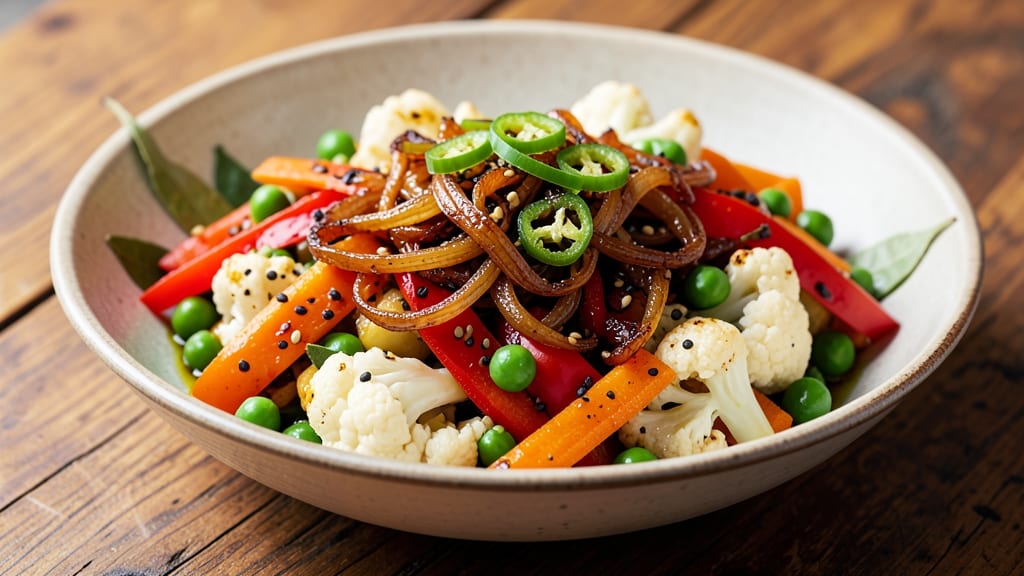
This one-pot mix veg sabji recipe transforms everyday vegetables into a fragrant, spiced curry that’s as nourishing as it is flavorful. The secret lies in layering whole spices and fresh herbs—cumin, mustard seeds, and curry leaves—to create a tempering base that infuses every bite with aromatic depth.
I developed this version after years of testing regional variations, balancing North Indian richness with South Indian simplicity for a universally satisfying result.
What makes this recipe stand out is its adaptability—swap in seasonal vegetables like eggplant, cauliflower, or green beans while keeping the core technique intact. The one-pot method ensures minimal cleanup, and the dish comes together in under 45 minutes, making it perfect for weeknight dinners or meal prep.
The spices bloom in hot oil, releasing their full potential before the vegetables soften into a tender, flavorful medley.
By the time you serve it steaming hot with warm basmati rice or flaky paratha, you’ll taste the difference between store-bought curry and a homemade masterpiece. The vegetables retain their texture while absorbing the spiced gravy, creating a harmonious balance of crisp and creamy.
This is the kind of dish that turns simple vegetables into something extraordinary.
For extra depth, finish with a squeeze of lemon and a dollop of yogurt—traditional touches that elevate the flavors further. Whether you’re feeding a family or meal prepping for the week, this recipe delivers restaurant-quality results with minimal effort. Let’s get cooking!
Ingredients for mix veg sabji
Transform everyday vegetables into a fragrant, aromatic curry with these carefully chosen ingredients.
| Ingredient | Amount | Notes |
|---|---|---|
| Mixed Vegetables 🥦 | 4 cups | Chopped, seasonal variety preferred |
| Cumin Seeds 🌿 | 1 ½ tbsp | Whole, toasted for aroma |
| Mustard Seeds 🌶️ | 1 tsp | Whole, for tempering |
| Curry Leaves 🌿 | ¼ cup | Fresh, finely chopped |
| Green Chilies 🌶️ | 2 whole | Slit lengthwise, adjust heat |
| Onion 🧅 | 1 whole | Medium, finely chopped |
| Garlic Cloves 🧄 | 6 cloves | Minced, fresh preferred |
| Ginger 🌿 | 1 tbsp | Fresh, grated |
| Tomato Puree 🍅 | 1 cup | Fresh or high-quality canned |
| Greek Yogurt 🥛 | ½ cup | Plain, full-fat preferred |
| Extra-Virgin Olive Oil 🫒 | ½ cup | For tempering and cooking |
| Ground Cumin 🌶️ | 1 tsp | For depth of flavor |
| Turmeric Powder 🧂 | ½ tsp | Freshly ground preferred |
| Garam Masala 🌶️ | 1 tsp | For finishing touch |
| Lemon Juice 🍋 | 1 tbsp | Freshly squeezed |
| Salt 🧂 | 1 ½ tsp | Diamond Crystal preferred |
The foundation of this dish lies in its spices and tempering base. Whole cumin seeds and mustard seeds must be toasted in hot oil until they sizzle—this releases their essential oils, creating that signature aroma. Curry leaves, available at Indian grocery stores or online, are non-negotiable for authentic flavor. For the best quality, source them from Patel Brothers or Spicewalla, where they're sold fresh. The mixed vegetables should be a combination of textures—potatoes for heartiness, carrots for sweetness, and beans for protein. Whole Foods Market or local farmers markets often carry organic, seasonal options that work beautifully here.
No curry leaves? Fresh bay leaves or a pinch of asafoetida (hing) can substitute, though the flavor will differ slightly. Running short on yogurt? Coconut milk or cashew cream adds richness without altering the dish's integrity. For the tomato puree, San Marzano canned tomatoes work perfectly if fresh aren't available—just blend them smooth. The green chilies can be omitted entirely for a milder version, or swap in red chilies for a smoky depth. Always taste as you go; the garam masala should be added gradually to avoid overpowering the delicate vegetable flavors.
This sabji reheats beautifully, making it ideal for meal prep. Store in an airtight container in the refrigerator for up to 5 days, or freeze portions for 3 months—the flavors actually deepen over time. For serving, a squeeze of fresh lemon juice just before eating brightens the dish, while a dollop of yogurt adds a cooling contrast. The one-pot method ensures minimal cleanup, leaving you with restaurant-quality results that taste even better the next day.
Why You'll Love This Recipe
- I swear by this trick: toss in whole carrots, potatoes, and beans—no peeling, no dicing. The spices (cumin, mustard seeds, curry leaves) work their magic right on the cut sides, turning everything tender and flavorful. Honestly, my lazy Sundays just got a whole lot better.
- No-Chop Chaos (Mostly): I swear by this trick: toss in whole carrots, potatoes, and beans—no peeling, no dicing. The spices (cumin, mustard seeds, curry leaves) work their magic right on the cut sides, turning everything tender and flavorful. Honestly, my lazy Sundays just got a whole lot better.
- Spice Bomb in 10 Minutes: That first sizzle of mustard seeds and green chilies in hot oil? Pure flavor payoff. The cumin seeds toast until nutty, the curry leaves perfume the air, and the mixed veggies soak up the aroma like sponges. It’s the kind of dish where every bite tastes like you put in effort—even when you didn’t.
- Lunchbox Hero: Pack this warm or cold—it’s that versatile. My kids grab it for school lunches, my husband takes it to work, and I reheat portions for my own "I’m too tired to cook" nights. (Yes, even on a Tuesday night.) The veggies stay crisp, the spices keep it exciting, and no one complains about leftovers.
Step-by-step instructions for mix veg sabji recipe
Aromatic, flavorful, and effortlessly balanced—this one-pot sabji delivers restaurant-quality results with minimal cleanup.
Temper the Spices for Maximum Flavor
Heat the 0.5 cup extra-virgin olive oil in a heavy-bottomed pot over medium heat. Add the 1.5 tablespoons cumin seeds and let them sizzle for 30 seconds until they darken slightly and release their nutty aroma. This is the foundation of your sabji's flavor profile.
Immediately add the 1 teaspoon mustard seeds and 2 slit green chilies, stirring constantly for 20 seconds until the mustard seeds pop and the chilies begin to soften. The timing here is critical—if you let the seeds burn, they'll turn bitter. Next, add the 0.25 cup finely chopped curry leaves and cook for another 10 seconds until they darken and release their citrusy fragrance. This tempering process infuses the oil with layers of flavor that will permeate every bite.
Build the Aromatic Base
Add the 1 finely chopped onion to the pot and sauté for 4-5 minutes over medium heat until it turns translucent and begins to caramelize at the edges. This step develops a deep, sweet foundation for your sabji. Stir frequently to prevent burning.
Reduce the heat to medium-low and add the 6 minced garlic cloves and 1 tablespoon grated ginger. Cook for 2 minutes until the raw garlic smell disappears and the mixture turns golden brown. This indicates the garlic is properly cooked and won't taste harsh. Immediately add the 1 teaspoon ground cumin and 0.5 teaspoon turmeric powder, stirring for 30 seconds to toast the spices and release their essential oils.
Incorporate the Vegetables and Tomato
Add the 4 cups mixed vegetables (chopped into even-sized pieces) to the pot and stir to coat them evenly with the spiced oil. Cook for 5 minutes over medium heat, stirring occasionally, until the vegetables begin to soften slightly. This ensures they absorb the flavors rather than steaming in their own juices.
Pour in the 1 cup tomato puree and cook for 4-5 minutes until the mixture thickens and the raw tomato taste disappears. The sauce should coat the back of a spoon but still be loose enough to cling to the vegetables. This step is where the sabji develops its signature rich, tangy flavor. If the mixture becomes too dry, add 2-3 tablespoons water to maintain the proper consistency.
Finish with Yogurt and Garam Masala
Reduce the heat to low and stir in the 0.5 cup Greek yogurt, mixing gently to prevent curdling. Cook for 2-3 minutes until the yogurt is fully incorporated and the mixture begins to thicken. The yogurt adds a creamy texture and balances the spice levels, creating a harmonious flavor profile.
Add the 1 teaspoon garam masala and 1.5 teaspoons salt, stirring well to distribute the spices evenly. Cook for another 1-2 minutes until the garam masala releases its warm, earthy aroma. Finish with the 1 tablespoon lemon juice, which brightens the dish and cuts through the richness. Taste and adjust the salt if needed—this is your final opportunity to balance the flavors.
Simmer to Perfection
Cover the pot and simmer over low heat for 10-12 minutes, stirring occasionally, until the vegetables are tender but still retain their shape and color. The sabji should be moist but not saucy, with the vegetables absorbing the flavors rather than swimming in liquid. This gentle cooking ensures the vegetables remain vibrant and the spices meld seamlessly.
Remove from heat and let the sabji rest for 5 minutes, covered. This resting period allows the flavors to settle and the vegetables to absorb any remaining juices. Serve hot with basmati rice or naan, garnished with a sprinkle of fresh cilantro if desired. The result is a one-pot wonder that captures the essence of home-style Indian cooking—rich, aromatic, and deeply satisfying.
Pro Tips For Making Mix Veg Sabji
- Bloom the Spices: Toast cumin and mustard seeds on medium-high heat until they pop—not just smell fragrant. I learned this the hard way: skipping the sizzle means flat flavor, and nobody wants that in their mix veg sabji.
- Cut Evenly, Cook Fast: Chop all veggies into uniform 1-inch pieces—potatoes and carrots take longer, so slice them smaller. After burning three batches of unevenly cooked veggies, I now prep everything first, then cook in stages by doneness.
- Skip the Overcrowding: Add veggies in batches—your pan needs space to steam them properly. I was skeptical until I tried it: crowded veggies turn soggy, and nobody likes mushy mix veg sabji.
- Finish with Curry Leaves: Toss in curry leaves and green chilies last, just before serving—this keeps their aroma and heat intact. My grandmother swore by this, and she was right: adding them early kills their punch.
Perfect pairings for this mix veg sabji
Rice Pairings
Serve your mix veg sabji with steamed basmati rice for the classic pairing—I use Tilda brand for its long grains that stay fluffy. Cook the rice with 1 part rice to 1.5 parts water and a pinch of salt.
For extra flavor, add ½ teaspoon cumin seeds while cooking. The rice should be hot and slightly firm to balance the sabji’s creamy texture. 🍚
Bread Options
Warm naan or roti adds a satisfying contrast to the soft vegetables. I love homemade naan brushed with garlic butter—mix 2 tablespoons melted butter with 1 minced garlic clove and ½ teaspoon chaat masala.
For quick serving, store-bought Tandoori naan from Whole Foods works perfectly. The bread soaks up the spiced gravy beautifully. 🥖
Yogurt Drizzle
Finish with a dollop of plain Greek yogurt (I use Fage 5% for creaminess) mixed with ½ teaspoon roasted cumin powder and pinch of salt. This adds a cooling contrast to the warm spices.
For extra freshness, top with chopped cilantro or mint leaves. The yogurt also helps balance the richness of the sabji. 🥛
Pickle Pairing
Add a tangy kick with mango pickle or lime pickle on the side—I recommend Patel Brothers brand for authentic flavor. The sweet-spicy contrast cuts through the sabji’s depth.
Serve 1-2 tablespoons per bowl to complement without overpowering. For a milder option, try cucumber raita with ½ teaspoon black salt (kala namak). 🍈
Drink Recommendations
Cool down with masala chai—steep 1 black tea bag with 1 cup milk, ½ cup water, ½ teaspoon cardamom pods, and 1 cinnamon stick for 5 minutes.
For a non-caffeinated option, try nimbu pani (Indian lemonade) with 2 tbsp lemon juice, 1 tbsp honey, and ice. The effervescence cleanses the palate between bites. 🍵
Garnish Finishing
Brighten the dish with fresh coriander or mint leaves just before serving. For a smoky touch, sprinkle ½ teaspoon smoked paprika or roasted cumin powder. A squeeze of lemon juice (about 1 tbsp) adds freshness. These final touches elevate the sabji from home-cooked to restaurant-worthy. ✨
Nutrition facts
Frequently asked questions
What vegetables work best for this mix veg sabji?
Use a mix of 3-4 vegetables for texture and flavor balance. Potatoes, carrots, green beans, and cauliflower are classic choices. For extra nutrition, add chickpeas or paneer. Seasonal veggies like zucchini or bell peppers also work well.
Can I make this sabji without yogurt?
Yes! Replace the yogurt with 2 tablespoons cashew paste or ½ cup coconut milk for creaminess. The dish will still be flavorful, though yogurt adds a tangy balance. For a lighter option, use 1 tablespoon cornstarch mixed with water to thicken the gravy.
How do I adjust the spice level?
Reduce heat by removing the green chilies or using ½ teaspoon red chili powder instead. For extra spice, add ½ teaspoon cayenne pepper or more green chilies. Always taste before finishing with garam masala.
Can I make this sabji in an Instant Pot?
Yes! Sauté the spices and onions as directed, then add all ingredients except yogurt. Pressure cook for 3 minutes on high, then quick-release. Stir in yogurt and simmer for 2 minutes to thicken. The Instant Pot cuts cooking time to 20 minutes total.
Why did my sabji turn out too dry?
Most likely, the vegetables released too much moisture or the sauce reduced too quickly. Next time, add 2-3 tablespoons water when cooking the tomato puree, or stir in 1 tablespoon yogurt or coconut milk at the end for creaminess.