
Desserts
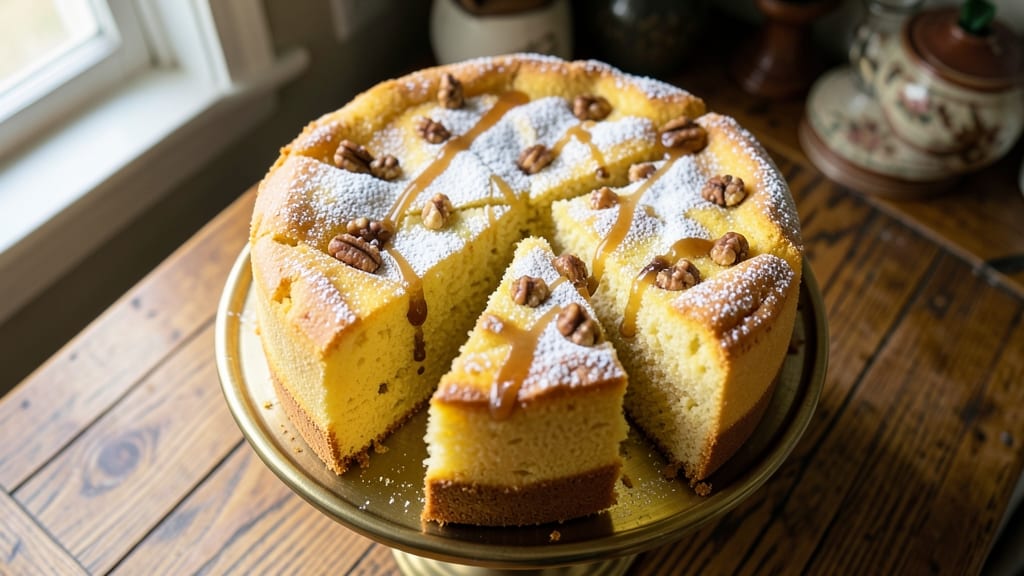
This old-fashioned yellow cake recipe delivers the perfect balance of tender crumb and rich vanilla flavor, all thanks to a buttermilk secret that keeps it moist for days.
The classic technique of creaming butter and sugar creates a light texture, while the buttermilk adds subtle tang and moisture that modern recipes often overlook. I've perfected this version through years of baking, ensuring every slice stays fresh-tasting even after storage.
The foundation of this cake lies in precise measurements and gentle mixing—no overmixing here, which prevents a tough crumb. A touch of vanilla extract infuses every layer with warm, comforting flavor, while the buttermilk works its magic to maintain that signature moistness.
This isn't just a cake; it's a nostalgic experience that brings back memories of grandma's kitchen.
What you'll achieve is a golden, perfectly domed cake with a tender crumb that melts in your mouth and stays moist for up to five days when properly stored. The aroma as it bakes will fill your home with warmth, and the taste will transport you to simpler times.
Whether you serve it with vanilla buttercream or fresh berries, this cake is a classic for a reason.
Ready to bake a cake that stands the test of time? Let's get started with this foolproof method that delivers restaurant-quality results in your own kitchen.
Ingredients for old fashioned yellow cake
Butter, sugar, and vanilla lead the way—plus the buttermilk secret for days of moisture.
| Ingredient | Amount | Notes |
|---|---|---|
| Unsalted Butter 🧈 | 1 cup | Room temperature, full-fat preferred |
| Granulated Sugar 🍚 | 2 cups | White sugar, not brown |
| Pure Vanilla Extract 🍋 | 2 tsp | Bourbon or Madagascar preferred |
| Large Eggs 🥚 | 4 whole | Room temperature, separated |
| All-Purpose Flour 🌾 | 2 ½ cups | Sifted, spooned lightly |
| Baking Powder 🍞 | 2 tsp | Aluminum-free preferred |
| Salt 🧂 | ½ tsp | Fine sea salt |
| Buttermilk 🥛 | 1 cup | Homemade or store-bought |
| Vegetable Oil 🫒 | ½ cup | Light or canola preferred |
| Almond Extract 🌰 | ¼ tsp | Optional, for depth |
| Powdered Sugar 🍚 | ½ cup | For frosting (optional) |
| Heavy Whipping Cream 🥛 | 1 cup | Cold, for frosting (optional) |
The butter matters here. Use unsalted—salted throws off the balance—and let it sit out for an hour before creaming. I grab mine from Whole Foods or the bakery section at Kroger; it’s worth the extra few cents for the flavor. The vanilla extract? Bourbon or Madagascar adds depth—imitation won’t cut it. For the eggs, room temperature is key; they’ll blend smoother and give you that classic light texture. If you’re in a rush, just take them out of the fridge 30 minutes before baking.
No buttermilk? Mix 1 tbsp lemon juice or vinegar with 1 cup milk and let it sit for 5 minutes. The almond extract is optional but adds a subtle richness—Goya or McCormick are solid brands. For the flour, sift it first to avoid lumps, and spoon it lightly into the cup (don’t scoop). The baking powder should be fresh; if it’s over a year old, toss it. And if you’re skipping the frosting, the cake’s still delicious on its own—just dust it with powdered sugar for a quick touch.
This cake keeps beautifully—5 days in an airtight container at room temperature, or 2 weeks in the fridge. For freezing, slice it first and wrap each piece tightly in plastic. The frosting, if you make it, should be whipped just before serving—30 seconds at a time—so it stays fluffy. I always bake an extra layer or two; slices reheated for 10 seconds in the microwave taste like they just came out of the oven.
Why You'll Love This Recipe
- Butter-Soft Magic: I swear by that creamy butter base—it’s the secret to a crumb that melts in your mouth without a trace of dryness. (Yes, even my picky husband licks the bowl.)
- Vanilla Hug: That pure vanilla extract? It’s not just flavoring—it’s the warm, sweet whisper that makes this cake taste like nostalgia. One sniff and you’ll understand.
- Bake-Once, Eat-Twice: Slice it fresh or stash it in the fridge—this cake stays moist for days, perfect for quick breakfasts or last-minute desserts. (Pro tip: wrap it tight.)
- Pantry Staple Power: Five ingredients, zero fuss. If your kitchen has flour, butter, and eggs, you’re already halfway there. Budget-friendly? Absolutely. Reliable? Always.
Step-by-step instructions for old fashioned yellow cake
Here's how to bake that perfect, moist vanilla cake with a tender crumb every time.
Cream Butter and Sugar Until Light and Fluffy
In a large mixing bowl, combine the 1 cup unsalted butter and 2 cups granulated sugar. Using an electric mixer on medium speed, beat for 3-5 minutes until the mixture is pale and fluffy, nearly doubling in volume. You'll know it's ready when you drag the beaters through the mixture and it leaves a ribbon that holds its shape for a few seconds.
This creaming process incorporates air, which creates the light, tender crumb characteristic of old-fashioned yellow cake. Don't rush this step—properly creamed butter and sugar is the foundation of that classic moist texture. If your mixture isn't light enough after 5 minutes, keep going until it reaches the right consistency.
Add Eggs and Extracts One at a Time
Add the 4 whole large eggs, one at a time, mixing well after each addition. Then stir in the 2 teaspoons pure vanilla extract and the 0.25 teaspoon almond extract (if using). Mix just until combined—about 30 seconds total. The almond extract adds subtle depth that complements the vanilla beautifully, but it's optional if you prefer pure vanilla flavor.
I always add the extracts last in this sequence because they're potent. Mixing them with the butter first can make them overpowering. The eggs should blend smoothly into the mixture, creating a thick, smooth batter. If you notice any streaks of egg white, mix for another 10 seconds—this ensures everything is fully incorporated.
Alternate Dry and Wet Ingredients
In a separate bowl, whisk together the 2.5 cups all-purpose flour, 2 teaspoons baking powder, and 0.5 teaspoon salt. With the mixer on low speed, gradually add about one-third of the dry ingredients to the wet mixture, mixing just until combined. Then add half of the 1 cup buttermilk and mix again.
Repeat this alternating process, ending with the remaining dry ingredients. The buttermilk is crucial here—it adds moisture and tenderness that regular milk can't match. When all ingredients are incorporated, add the 0.5 cup vegetable oil and mix on low speed until just combined. The batter should be smooth and thick, like heavy pudding.
Bake at Moderate Temperature for Even Cooking
Preheat your oven to 350°F and grease two 9-inch round cake pans or one 9x13-inch pan. Pour the batter evenly into your prepared pan(s). For best results, I recommend using round pans—this shape gives you that classic yellow cake texture we all love.
Bake for 25-30 minutes (for round pans) or 30-35 minutes (for the 9x13-inch pan) until a toothpick inserted in the center comes out clean. The cake should be golden on top but still slightly springy to the touch. Overbaking is the enemy of moisture—remove it from the oven just as soon as the toothpick test passes. Let the cake cool in the pan for 10 minutes before transferring to a wire rack.
Frost (Optional) and Serve
While the cake cools completely, prepare your frosting by whipping the 1 cup cold heavy whipping cream with the 0.5 cup powdered sugar until soft peaks form. This simple frosting complements the cake's natural vanilla flavor without overpowering it.
Once the cake is completely cool, spread the frosting evenly over the top and sides. The cake's moisture will help create a beautiful, smooth finish. Serve slices at room temperature for the best texture. This cake keeps well for 3 days at room temperature or can be frozen for up to 3 months—just thaw at room temperature before serving.
Pro Tips For Making Old Fashioned Yellow Cake
- CREAM BUTTER SLOWLY: I used to rush this step and end up with a greasy cake—don’t. Beat the butter and sugar at medium speed for 3-4 minutes until light and fluffy, not just pale. The air whipped into the butter is what keeps this cake tender, not the sugar dissolving.
- MEASURE FLOUR RIGHT: Spoon flour into the bowl, then level it with a knife. Packing it down or scooping straight from the bag adds too much, and this cake won’t rise properly. I learned this the hard way when my first batch turned out dense as a brick.
- CHECK DONENESS EARLY: Pull the cake out when the edges look set but the center still jiggles slightly—overbaking dries it out. If your oven runs hot, start checking at 25 minutes (yes, even if the recipe says 30). A toothpick with a few crumbs is fine; clean means it’s overdone.
- USE ROOM-TEMP EGG WHITES: Cold whites won’t whip as much, and this cake’s height depends on them. Take them out 10 minutes before whipping—no need to warm them further. I was skeptical until I tried it: the difference in volume is noticeable.
Serving suggestions for this recipe
Classic Vanilla Frosting
This cake shines with a simple vanilla buttercream made from ½ cup softened butter, 2 cups powdered sugar, and 2 teaspoons vanilla extract. Whip the butter until creamy, gradually add powdered sugar, then fold in vanilla.
For extra richness, add 1 tablespoon heavy cream if needed. Spread evenly over cooled layers for that nostalgic yellow cake look. 🍰
Fresh Berry Topping
Slice 1 cup mixed berries (strawberries, blueberries, or raspberries) and arrange them on top of frosted cake. For a glossy finish, brush with 1 tablespoon apricot jam diluted with 1 teaspoon water. This adds a sweet-tart contrast that complements the cake's vanilla notes perfectly.
Whipped Cream Alternative
For a lighter touch, top the cake with whipped cream sweetened with 1 tablespoon powdered sugar and a dash of vanilla. Add crushed graham crackers around the base for a crunchy border. This pairing is perfect for summer gatherings where you want a refreshing finish.
Chocolate Ganache Drizzle
Heat ½ cup heavy cream and ½ cup chocolate chips in a microwave for 30-second intervals, stirring until smooth. Drizzle over the cake for a decadent touch. Pair with raspberries for a classic chocolate-berry contrast that elevates the traditional flavor profile. 🍫
Citrus Zest Garnish
Add a bright finish by sprinkling finely grated lemon or orange zest over the frosting. The citrus notes cut through the richness and add a refreshing aroma.
For extra flair, place a few thin citrus slices around the cake's edge. This works beautifully with a light cream cheese frosting for a tangy twist.
Warm Caramel Sauce
Heat ½ cup caramel sauce (store-bought or homemade) until pourable, then drizzle over the cake. Warm caramel pairs wonderfully with the cake's vanilla flavor and adds a luxurious touch. Serve with vanilla ice cream on the side for a classic dessert combination that feels like a restaurant treat. 🥄
Nutrition facts
Frequently asked questions
Why does this recipe use buttermilk instead of regular milk?
The buttermilk creates that signature moist, tender crumb that defines old-fashioned yellow cake. Its acidity helps activate the baking powder for better rise, while the fat content keeps the cake tender for days. Regular milk just can't match this texture—it's the secret ingredient that makes this recipe truly classic!
Can I make this cake in a 9x13-inch pan instead of round pans?
For a single layer, use a 9x13-inch pan and bake for 30-35 minutes at 350°F. The baking time will be slightly longer, and you may need to adjust frosting quantities. Round pans give that traditional dome shape, but sheet pans work perfectly for quick sheet cakes or when serving a crowd.
What's the best way to store leftover cake?
Wrap the cake tightly in plastic wrap or store in an airtight container at room temperature for up to 5 days. For longer storage, slice and freeze individual pieces for up to 3 months. Thaw overnight in the fridge—never at room temperature—to preserve the moist texture. The buttermilk keeps it fresh longer than most cakes!
Can I substitute vegetable oil with melted butter?
You can try it, but the texture won't be identical. The oil keeps the cake tender and moist, while melted butter adds richness but can make the crumb slightly denser. If substituting, use ½ cup melted butter cooled to room temperature, but expect a slightly different texture. The recipe works best with the oil for that classic old-fashioned consistency.
How do I know when the cake is fully baked?
Insert a toothpick into the center—the cake is done when it comes out clean or with just a few moist crumbs (not wet batter). The edges should pull away slightly from the pan, and the top should be golden. Overbaking dries out the cake, so remove it just when it passes the toothpick test. Let it cool in the pan for 10 minutes before transferring.