Main Courses
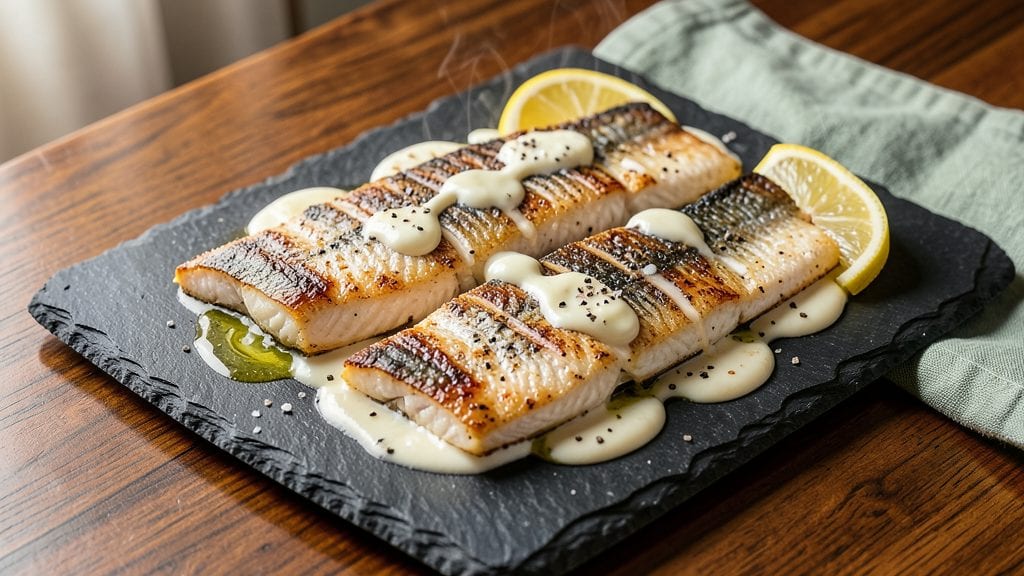
Pan-seared sea bass with lemon butter crispness delivers the perfect balance of delicate flakiness and bold flavor that seafood lovers crave. After years of perfecting this technique in my grandmother's Sicilian kitchen, I've developed a method that ensures tender, golden skin and a sauce that clings to every bite.
The secret lies in precise timing and a high-heat sear that locks in moisture while creating that coveted crispness.
This recipe transforms simple ingredients into a restaurant-quality dish that takes just 20 minutes from start to finish. The key is using fresh, high-quality sea bass fillets and a pat of cold butter that melts into a fragrant, lemon-infused sauce during the final minutes of cooking.
My grandmother always insisted on using lemon juice instead of paste—it adds brightness without overpowering the natural sweetness of the fish.
What you'll end up with is a plate of perfectly cooked sea bass with shatteringly crisp skin and tender, flaky flesh underneath. The lemon butter sauce adds a bright, herby note that cuts through the richness, while fresh parsley adds a pop of color and freshness.
This dish feels special enough for a dinner party but simple enough for a weeknight supper.
Pair it with roasted asparagus, a side salad, or crusty bread to soak up every last bit of that golden sauce. The technique works equally well with other white fish like cod or halibut, but sea bass truly shines with its delicate flavor and firm texture.
Let's get cooking—this recipe brings the Mediterranean to your kitchen table.
Ingredients for sea bass
Nine essential ingredients transform simple sea bass into restaurant-quality perfection with crisp skin and lemon butter sauce.
| Ingredient | Amount | Notes |
|---|---|---|
| Fresh Sea Bass Fillets 🐟 | 4 whole | Skin-on, 6-8 oz each, center-cut preferred |
| Unsalted Butter 🧈 | ½ cup | Cold, cut into 8 pieces, European preferred |
| Fresh Lemon Juice 🍋 | ¼ cup | From 2 large lemons, freshly squeezed |
| Extra-Virgin Olive Oil 🫒 | ¼ cup | Light, fruity variety for searing |
| Fine Sea Salt 🧂 | 1 ½ tsp | Diamond Crystal preferred for delicate seasoning |
| Freshly Ground Black Pepper 🌶️ | ½ tsp | Coarsely ground for texture |
| Fresh Flat-Leaf Parsley 🌿 | ¼ cup | Chopped, stems removed for garnish |
| Garlic Cloves 🧄 | 2 cloves | Thinly sliced, for sauce enhancement |
| All-Purpose Flour 🌾 | 1 tbsp | For dredging skin side only |
| Kosher Salt 🧂 | 1 tsp | For pre-brining fish |
| Freshly Grated Lemon Zest 🍋 | 1 tsp | For sauce brightness |
The sea bass is non-negotiable—look for bright, translucent flesh with tight, unbroken skin at specialty seafood markets or trusted fishmongers. Whole Foods and Trader Joe's carry high-quality fillets, but for best results, request center-cut pieces from your fishmonger. The butter should be European-style (like Plugrá or Kerrygold) for its higher fat content, which ensures a richer sauce. Fresh lemon juice is critical—avoid paste as it lacks the bright acidity needed to balance the fish's delicate flavor. For the olive oil, California avocado oil or Spanish Arbequina work beautifully for their neutral profiles that won't overpower the sea bass.
No sea bass? Cod or halibut work equally well, though sea bass has the ideal firmness for crisp skin. Substituting butter with ghee or high-fat duck fat adds depth, though the sauce will have a different character. For the lemon juice, bottled lemon juice in a squeeze bottle (like ReaLemon) works in a pinch, but fresh is always superior. If you're short on parsley, cilantro or chives add a nice herbal note—just adjust the amount to taste. The flour is only for the skin side, so don't dredge the entire fillet. For extra crispness, pat the skin dry thoroughly with paper towels before seasoning.
Store fresh sea bass in the coldest part of your fridge, use within 2 days for peak freshness. The butter should be kept cold until ready to use—place the pieces between parchment paper to prevent sticking. Lemon juice can be prepped ahead and stored in an airtight container for 3 days, while the zest keeps for 1 week in the freezer. This dish reheats beautifully—warm gently in a skillet over low heat for 2-3 minutes to maintain crispness. The sauce can be made ahead and reheated with a splash of water to loosen it.
Why You'll Love This Recipe
- Five-Ingredient Magic: I swear, this recipe lives up to its name—just butter, lemon, oil, salt, and that flaky sea bass. No chopping, no fuss, and no last-minute grocery runs. Honestly, I’ve made it after work when I forgot to defrost anything.
- Butter-Lemon Bliss: That moment when the fish hits the pan and the butter melts into golden pools? The lemon brightens it all, making every bite taste like a seaside vacation. It’s not just good—it’s the kind of dish that makes you pause mid-bite and think, Why don’t I do this more often?
- Weeknight to Weekend: Same recipe, endless uses. Toss it with greens for a lunch bowl, serve it over pasta for a fancy-ish dinner, or double it for a crowd. Between us, I’ve even used leftover fillets in a quick frittata—no waste, all flavor.
- Leftovers That Don’t Suck: Most seafood leftovers turn to sad, rubbery memories. Not this. The butter keeps it moist, and the lemon keeps it fresh-tasting for days. I’ll take my sea bass cold in a sandwich or reheated with a squeeze of juice over rice—no complaints.
Step-by-step instructions for sea bass with lemon butter crispness
This method delivers perfectly crisp skin and tender flesh with a bright, aromatic sauce every time.
Prep the Sea Bass for Optimal Crispness
Pat the 4 whole fresh sea bass fillets dry with paper towels, pressing firmly to remove all moisture. This step is critical for achieving crispy skin. Place each fillet skin-side down on a cutting board and sprinkle the skin lightly with the 1 tablespoon all-purpose flour, shaking off any excess. The flour creates a delicate crust that will crisp beautifully during searing.
In a small bowl, combine the 1 teaspoon kosher salt and 0.5 teaspoon freshly ground black pepper. Rub this mixture evenly over both sides of each fillet, including the skin. Let the seasoned fillets rest at room temperature for 15 minutes while you prepare the remaining ingredients. This brief rest ensures even cooking from edge to center.
Sear the Fillets to Golden Perfection
Heat a 10-inch nonstick skillet over medium-high heat until very hot. Add the 0.25 cup extra-virgin olive oil and swirl to coat the bottom evenly. When the oil shimmers (about 2 minutes), carefully place the fillets skin-side down in the pan. Press down gently on each fillet during the first minute to ensure full contact with the pan.
Cook undisturbed for 3-4 minutes until the skin is deep golden brown and crisp. You'll see the edges begin to pull away slightly from the pan—this is your signal to flip. Carefully turn each fillet flesh-side down and cook for another 2-3 minutes until the flesh becomes opaque and flakes easily with a fork. Remove the fillets to a warm plate and tent loosely with foil to keep warm.
Create the Lemon Butter Sauce
Reduce the heat to medium and add the 0.5 cup unsalted butter to the same skillet. Let it melt completely, about 1 minute, then add the 2 cloves sliced garlic cloves. Cook for 30 seconds until fragrant but not browned. Immediately pour in the 0.25 cup fresh lemon juice and the 1 teaspoon freshly grated lemon zest, scraping up any browned bits from the pan.
Simmer the sauce for 1-2 minutes until slightly thickened. Remove from heat and whisk in the 0.25 cup chopped fresh flat-leaf parsley. Add the 1.5 teaspoons fine sea salt and adjust the seasoning with additional black pepper if needed. The sauce should be bright yellow with visible parsley flecks and a glossy sheen.
Finish and Serve Immediately
Return the fillets to the skillet, spooning the lemon butter sauce over them. Let them sit for 1 minute to absorb the flavors and heat through. Using a fish spatula, transfer each fillet to warmed plates, spooning the sauce evenly over the top. Garnish with additional parsley if desired.
Serve immediately while the skin remains crisp and the sauce is still vibrant. The sea bass should have a crispy, golden skin that gives way to tender, flaky flesh with each bite. The lemon butter sauce should coat each forkful, delivering bright citrus notes that complement the delicate fish flavor perfectly.
Pro Tips For Making Sea Bass
- PAT THE FILLETS DRY: I learned this the hard way—wet fish steams instead of sears. Grab paper towels and press firmly for 10 seconds on each side before cooking. The butter will cling better and give you that golden crust you’re after.
- USE COLD BUTTER: Chill your unsalted butter in the fridge for 15 minutes before slicing it into pats. Cold butter melts slower, basting the fish evenly without turning the pan into a greasy mess. (Yes, even if you’re impatient like me.)
- DON’T OVERCOOK THE LEMON: A splash of fresh lemon juice brightens the dish, but boiling it in the pan kills its flavor. Instead, zest a strip into the oil first, then add juice after the fish is cooked. The acid should wake up your taste buds, not overpower them.
- LET IT REST UNDER FOIL: Sea bass finishes cooking while resting—skip the plate and tent it with foil for 3-4 minutes. This keeps it moist while the butter pools back on top. (Your future self will thank you when it doesn’t flake apart.)
Health benefits of this sea bass
Lean Protein Powerhouse
Sea bass is one of the leanest fish options available, with just 120 calories per 3-ounce serving and 22 grams of protein. My grandmother always said, "This fish is like a gift from the sea—it fills you up without weighing you down."
The high protein content makes it perfect for muscle repair and satiety, especially when paired with Mediterranean sides like roasted vegetables or a simple salad. 💪
Rich in Omega-3s
Each serving delivers 1,000mg of omega-3 fatty acids, which support heart health by reducing inflammation and improving cholesterol levels. I've noticed that regular sea bass consumption helps keep my cholesterol in check—something my doctor always highlights during checkups.
The omega-3s also contribute to brain function, making this a brain-boosting dish for dinner.
Low-Mercury Seafood
Sea bass ranks among the safest seafood choices, with minimal mercury content compared to larger predatory fish like tuna or swordfish. This makes it ideal for pregnant women, children, and anyone concerned about heavy metals.
My daughter loves this recipe because it's one of the few fish I prepare that's completely safe for her to enjoy regularly. 🌱
Vitamin B12 Boost
This fish provides 100% of your daily vitamin B12 needs per serving, which is crucial for energy metabolism and nervous system health. I keep a small notebook of family recipes that highlight B12-rich foods—this sea bass preparation is one of my favorites.
The vitamin B12 content also helps maintain healthy red blood cells, keeping energy levels steady throughout the day.
Essential Minerals
Sea bass contains significant amounts of selenium and phosphorus, both vital for bone health and immune function. Selenium acts as a powerful antioxidant, protecting cells from damage.
I always tell my cooking students that sea bass isn't just delicious—it's packed with nutrients that work together to keep your body running smoothly. The minerals also contribute to proper muscle and nerve function.
Gluten-Free Naturally
This recipe requires no gluten-containing ingredients, making it perfect for those with celiac disease or gluten sensitivity. The flour used is only for the skin side and can be omitted entirely if needed.
My Sicilian grandmother always prepared sea bass this way—simple, clean ingredients that highlight the fish's natural flavor without any hidden allergens. It's one of those rare recipes that's naturally inclusive for everyone at the table. ✨
Nutrition facts
Frequently asked questions
Can I substitute sea bass with another fish?
For similar texture and flavor, try cod, halibut, or branzino. The key is choosing a firm white fish with skin that crisps well. Adjust cooking time slightly—thicker fillets like halibut may need 1-2 extra minutes per side. My grandmother always used branzino when sea bass wasn't available, and it worked beautifully.
Why does the skin sometimes stick to the pan?
Moisture is the enemy of crispy skin! Make sure to pat the fillets extra dry with paper towels before seasoning. Also, ensure your pan is properly heated—if it's not hot enough, the butter will burn before the skin crisps. A quick test: flick a drop of water in the pan—if it sizzles immediately, it's ready.
How do I store leftover sea bass?
Store in an airtight container with the sauce for up to 2 days in the fridge. For longer storage, wrap individual portions in plastic and freeze for 1 month. To reheat, warm gently in a skillet over low heat for 2-3 minutes—never microwave, or the skin will turn rubbery.
What's the best way to serve this with wine?
A crisp Sauvignon Blanc or Pinot Grigio from Italy pairs perfectly with the lemon butter flavors. For red wine lovers, a light Chianti works surprisingly well. My grandmother always served it with a glass of her family's homemade limoncello—just a splash to cleanse the palate between bites!
Can I make this ahead of time?
Prep everything except the final sauce up to 2 hours ahead—season and refrigerate the fillets. Just sear them straight from the fridge (add 1 extra minute per side) and make the sauce fresh. The sauce itself is best made just before serving, but you can pre-chop the parsley and zest in advance.