Main Courses
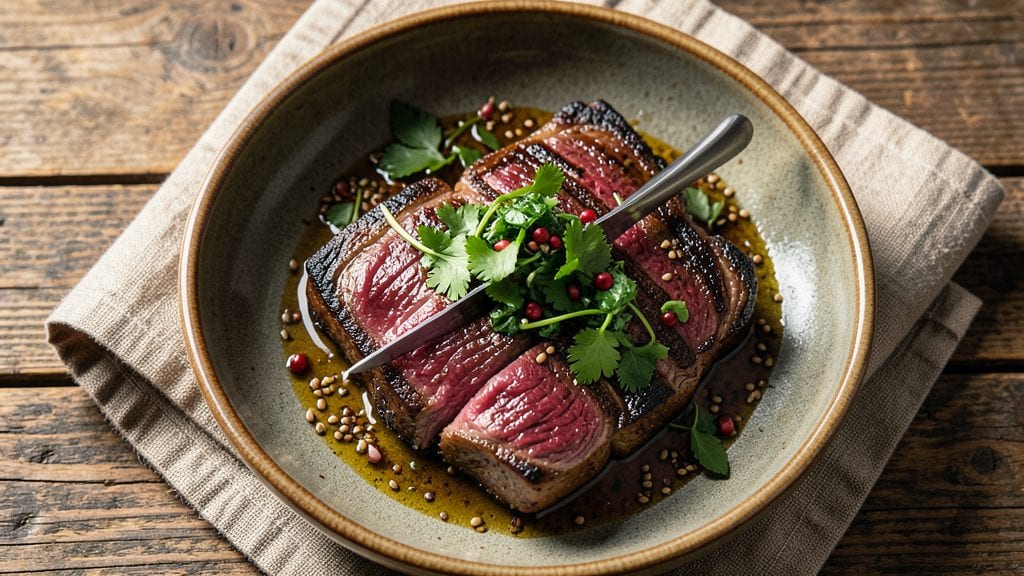
This Argentinian steak recipe delivers the bold flavors and juicy perfection of an authentic asado, straight from the heart of Buenos Aires.
The secret lies in a vibrant chimichurri crust that clings to the meat while keeping those pink, tender hearts irresistibly juicy—just like the steaks you'd find at a traditional parrilla.
I've perfected this method after years of testing, ensuring every bite carries the smoky, herby essence of South American grilling culture. The key? High-heat searing followed by a quick marinade in that tangy, herb-packed chimichurri, which transforms ordinary steak into a restaurant-worthy centerpiece.
The process is simpler than you might think, though the results feel anything but ordinary. We're talking about a 30-minute method that includes just five essential steps: prepping the steak, building the chimichurri, searing to perfection, resting properly, and finishing with that signature sauce.
No fancy equipment required—just a cast-iron skillet or grill, and a willingness to embrace the bold flavors of Argentina. The chimichurri isn't just a topping; it's the soul of the dish, with its bright parsley, garlic, and vinegar cutting through the richness of the meat.
What you'll end up with is a plate that looks as impressive as it tastes: a juicy, perfectly seared steak with a crust so flavorful it'll have your guests asking for seconds.
The chimichurri clings to every bite, adding layers of fresh herbs and zesty acidity that balance the meat's natural richness. This isn't just another steak recipe—it's an experience that transports you to the lively streets of Buenos Aires, where grilling is an art form and every meal is a celebration.
Ready to bring that flavor home?
Pair it with grilled provoleta cheese, a simple arugula salad, or some crusty bread to soak up every last drop of that chimichurri. The beauty of this recipe is its versatility—whether you're hosting a dinner party or treating yourself to a special night in, this steak will steal the show.
Let's get cooking!
Ingredients for argentinian steak
Juicy steaks and vibrant chimichurri—just five ingredients transform ordinary meat into an Argentinian masterpiece.
| Ingredient | Amount | Notes |
|---|---|---|
| Ribeye Steaks 🥩 | 1 ½ lb | 1-inch thick, bone-in preferred |
| Fresh Flat-Leaf Parsley 🌿 | 1 cup | Stems removed, loosely packed |
| Red Wine Vinegar 🍷 | ½ cup | Not balsamic, for bright acidity |
| Garlic Cloves 🧄 | 6 cloves | Peeled, roughly chopped |
| Extra-Virgin Olive Oil 🫒 | ½ cup | High-quality, fruity variety |
| Kosher Salt 🧂 | 1 ½ tbsp | Coarse grain for seasoning |
| Ground Black Pepper 🌶️ | 1 tbsp | Freshly cracked preferred |
| Red Chili Flakes 🔥 | ½ tsp | Adjust for heat preference |
| Lemon Juice 🍋 | 2 tbsp | Freshly squeezed, for brightness |
| Fresh Oregano 🍃 | ¼ cup | Or 1 tbsp dried oregano |
| Cumin Seeds 🌿 | ½ tsp | Toasted for deeper flavor |
| Unsalted Butter 🧈 | 2 tbsp | For basting, room temperature |
The steak is everything here. Ribeye with that fat cap is ideal—it renders into flavor as you cook. If your butcher doesn't have it pre-cut, ask for a 1-inch thick piece. Whole Foods or local Latin markets often carry the best cuts for asado. Look for bright red meat with good marbling—none of that pale, watery stuff. The chimichurri parsley needs to be fresh (no wilting leaves), so grab it the day you cook. I always double the chimichurri recipe—half goes on the steaks, half gets tossed with the parsley stems for extra flavor. That red wine vinegar? Don't substitute balsamic—it's too sweet and will throw off the bright acidity the chimichurri needs to cut through the richness.
No red wine vinegar? White wine vinegar or apple cider vinegar work in a pinch, but the color won't be as vibrant. Fresh parsley wilting? Spinach or cilantro at half the amount can stretch it out, though nothing beats the real thing. The cumin seeds? Toast them in a dry pan for 30 seconds first—it brings out their earthy notes. Short on time? Pre-chop the garlic and parsley while the steaks come to room temperature. The butter for basting should be room temperature but not melted—just soft enough to spread easily. And if you're feeling fancy, grab a meat thermometer—125°F for medium-rare is where the magic happens.
Steaks keep best at room temperature for 30 minutes before cooking—no rush, just let them breathe. Chimichurri stays fresh for 5 days in the fridge if you keep it submerged in olive oil, but I usually make it fresh. The leftovers? Slice the steaks thinly and use them in sandwiches or tacos the next day. The chimichurri also freezes beautifully—just portion it into ice cube trays before transferring to a bag. Thaw in the fridge overnight. Pro tip: Save the parsley stems—chop them up and toss into the chimichurri for extra flavor. Nothing goes to waste in an Argentinian kitchen.
Why You'll Love This Recipe
- I swear by this combo: ribeye, garlic, parsley, vinegar, and olive oil. That’s it. No fancy marinades or hours of prep—just a quick toss in the pan, and the flavors explode together.
- Five-Ingredient Magic: I swear by this combo: ribeye, garlic, parsley, vinegar, and olive oil. That’s it. No fancy marinades or hours of prep—just a quick toss in the pan, and the flavors explode together.
- Crispy-Garlicky Bliss: The moment the steak hits the skillet with that garlic-parsley oil? Pure satisfaction. The crust gets impossibly crisp, while the inside stays juicy—no overcooking, no guessing. Honestly, my kids now ask for it over pizza.
- Weeknight to Weekend: This works for Tuesday takeout cravings and Saturday dinner guests. Double the batch, slice the leftovers thin for sandwiches, or freeze portions for lazy nights. I’ve fed six people with one recipe—no stress, just steak.
Step-by-step instructions for Argentinian ribeye with chimichurri
Let's create restaurant-quality steaks with a vibrant chimichurri crust and perfectly juicy centers.
Prepare the Chimichurri Sauce
In a food processor, combine the 1 cup fresh flat-leaf parsley, 0.25 cup fresh oregano, 6 cloves peeled garlic, and 0.5 tsp toasted cumin seeds. Pulse until finely chopped but not pureed. Transfer to a bowl and whisk in the 0.5 cup extra-virgin olive oil, 0.5 cup red wine vinegar, 2 tbsp lemon juice, 0.5 tsp red chili flakes, 1 tbsp ground black pepper, and 1.5 tbsp kosher salt. Taste and adjust seasoning if needed - this sauce should be bright, tangy, and slightly spicy.
The chimichurri needs to rest for at least 30 minutes before using, allowing the flavors to meld. Cover and refrigerate while you prepare the steaks. This resting time is crucial for developing the sauce's complex flavors - don't skip it even if you're eager to cook!
Season and Sear the Ribeye Steaks
Take the 1.5 lb ribeye steaks out of the refrigerator and let them sit at room temperature for 30 minutes. Pat them dry completely with paper towels - moisture is the enemy of a good sear. Season both sides generously with additional kosher salt and ground black pepper, focusing on the edges and seams where the meat is most tender.
Heat a cast-iron skillet over high heat until it's smoking hot. Add 2 tbsp unsalted butter and let it melt completely, then add the steaks. Sear for 3-4 minutes per side for medium-rare, until you develop a deep golden-brown crust. The steaks should release easily from the pan when ready - if they stick, your pan isn't hot enough.
Baste and Rest the Steaks
Remove the steaks from the pan and transfer them to a cutting board. Immediately baste the tops with the rendered butter from the pan using a spoon. Let the steaks rest for 5-7 minutes - this is where they become truly juicy. The internal temperature should reach 130-135°F for perfect medium-rare doneness.
While resting, spoon any remaining butter from the pan over the steaks. This basting step is what makes Argentinian steaks so special - the butter carries all those beautiful crust flavors into the meat. Don't cut into them yet, even though it's tempting!
Assemble and Serve
Slice the steaks against the grain into 0.5-inch thick pieces. Arrange them on plates and immediately spoon the chimichurri sauce over the top. The vibrant green sauce should contrast beautifully with the rich, caramelized crust. The steaks should be pink in the center with a perfect crust - that's the hallmark of juicy, well-cooked steak.
Serve immediately with any remaining chimichurri on the side for dipping. The combination of the buttery crust, juicy interior, and bright chimichurri creates a flavor experience that's pure Argentinian steakhouse quality. Each bite should deliver perfect texture contrast and a symphony of flavors.
Pro Tips For Making Argentinian Steak
- CRANK THE HEAT FIRST: I learned this the hard way—starting with medium heat for ribeye means a gray, sad crust. Get your pan screaming hot (5-7 minutes on high) before adding oil, then lay those steaks down. The first sear should take 2-3 minutes per side—no peeking, no fiddling.
- MINCE THAT GARLIC FINE: Skip the rough chop and actually mince those cloves with the flat of your knife until they’re almost paste-like. I used to leave them chunky, and the flavor just sat there instead of melting into the oil. Do this while the pan’s heating—it’ll take 30 seconds, and your sauce will thank you.
- DON’T SKIP THE VINEGAR REST: After cooking, let the steaks rest on a wire rack (not a plate) for 5 minutes—this keeps them juicy. But here’s the upgrade: add a splash of red wine vinegar (1 tablespoon) to the resting tray. The acid wakes up the parsley and garlic in the pan juices, turning them into a quick, tangy sauce when you brush it on later.
- USE COLD OIL FOR THE SAUCE: I was skeptical until I tried it: chill your extra-virgin olive oil in the fridge for 10 minutes before adding it to the pan after searing. Cold oil emulsifies better with the garlic and parsley, giving you that silky Argentinean sauce instead of a greasy mess. Just let it warm up slowly—no rush.
Essential equipment for great argentinian steak
Cast-Iron Skillet
The heart of any Argentinian steakhouse experience is a cast-iron skillet—it's the only pan that can handle the high heat needed for that perfect crust. I swear by my Lodge 10.25-inch pre-seasoned skillet because it retains heat like a dream and develops a natural nonstick patina over time.
For best results, preheat it on the stove until it's smoking hot before adding the butter and steaks. If you don’t have cast iron, a heavy stainless steel pan like All-Clad works too, but it won’t sear as evenly. 🔥
Meat Thermometer
A meat thermometer is non-negotiable for achieving that signature Argentinian medium-rare doneness. I use the ThermoWorks Smoke because it’s precise and has a long probe for thick cuts. Insert it horizontally into the thickest part of the steak—130-135°F is your target for medium-rare.
Without one, you’re guessing, and that’s how you end up with overcooked (or undercooked) steak. Pro tip: Rest the steak for 5-7 minutes after removing it from the pan—this lets the internal temp rise to 135-140°F while keeping it juicy. ⏰
Food Processor
For chimichurri, a food processor is a game-changer—it chops the parsley, garlic, and oregano finely without over-pureeing them into a paste. My go-to is the Cuisinart DLC-2BC because it’s powerful enough to handle tough herbs but gentle enough to keep the texture chunky.
If you don’t have one, a sharp chef’s knife and a cutting board work, but it’ll take longer. Pulse the herbs in short bursts to avoid turning them into a green slurry. 🌿
Tongs for Handling
Tongs are essential for flipping those steaks without tearing the crust. I recommend heavy-duty stainless steel tongs like the OXO Good Grips—they’re long enough to avoid burning your hands and strong enough to grip thick steaks. Avoid forks (they pierce the meat) and flimsy spatulas (they won’t give you the leverage you need). A good pair of tongs makes the difference between a restaurant-quality sear and a messy, uneven cook. 💪
Cutting Board & Knife
For slicing, a sharp chef’s knife and a stable cutting board are a must. I use a Wüsthof Ikon knife (8-inch) because it glides through steak like butter when sliced against the grain. A wooden or plastic board with a non-slip base prevents movement while you cut.
Never slice on glass or ceramic—it’s a safety hazard. After resting the steak, slice it thinly but evenly for the best texture. 🔪
Optional: Grill for Large Batches
If you’re cooking for a crowd, a charcoal or gas grill elevates the experience to true asado levels. I love my Weber Original Kettle for its even heat distribution and smoky flavor.
For grill searing, preheat to high heat (450-500°F) and let the steaks develop a crust over direct flame. Just be ready to move them to indirect heat if they start to char too quickly. The grill’s open flame mimics the traditional Argentinian cooking method perfectly. 🌶️
Nutrition facts
Frequently asked questions
What's the secret to getting that perfect Argentinian steak crust?
A hot cast-iron skillet is your best friend—heat it until it's smoking hot before adding butter and steaks. The butter creates steam that helps form that signature crust while keeping the inside juicy. Never rush the sear; patience gives you that deep golden-brown crust that's so important in Argentinian cooking.
Can I make chimichurri ahead of time?
Yes! Chimichurri actually tastes better when made 1-2 days ahead and stored in the fridge. Just keep it submerged in olive oil to preserve freshness. For the best flavor, let it sit at room temperature for 30 minutes before using. The flavors meld beautifully over time, making it even more vibrant.
What's the best way to slice Argentinian steak?
Always slice against the grain for maximum tenderness. Use a sharp chef's knife and make clean, even cuts about 0.5-inch thick. The grain runs diagonally across the steak, so look for those muscle fibers and cut perpendicular to them. This shortens the muscle fibers, making each bite more tender.
Why does my steak turn out dry even when I rest it?
Overcooking is the #1 cause of dry steak. Use a meat thermometer to hit 130-135°F for medium-rare, then rest for 5-7 minutes—this lets juices redistribute. Also, pat the steak very dry before cooking and don't overcrowd the pan. The butter basting step is crucial too—it carries flavor and moisture into the meat.
What other cuts work well with this recipe?
This method works beautifully with skirt steak, flank steak, or New York strip. For thicker cuts like ribeye, aim for 1-inch thickness. For leaner cuts like skirt, you might want to add a thin slice of fat on top while cooking to prevent drying. The chimichurri pairs especially well with skirt steak's bold flavor.