Main Courses
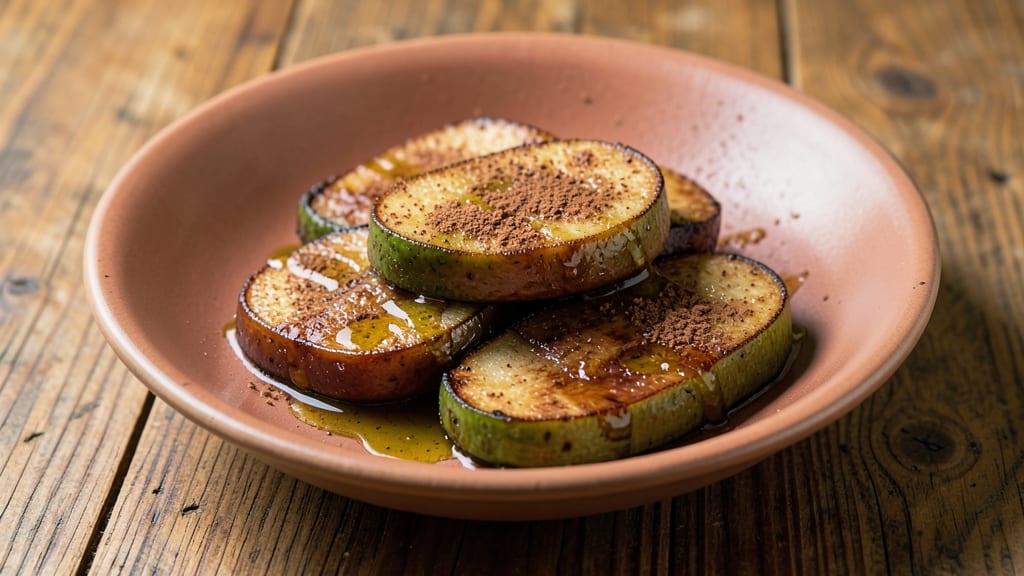
This boiled plantains recipe transforms simple green plantains into a silky, caramelized delight that bridges Caribbean tradition and home kitchen ease. Growing up in Atlanta, I first tasted them at Nana Mae's diner—peeled, boiled until tender, then caramelized to perfection with just a pinch of salt.
The texture shifts from firm to velvety as they cook, creating a dish that's both comforting and impressive.
The process is straightforward yet rewarding: peel the plantains first (the secret to even cooking), then boil them until fork-tender. From there, you can caramelize them in a dry pan for a crispy exterior or mash them with spices for a creamy side.
What makes this recipe special is its versatility—serve it as a side with grilled meats, a topping for tacos, or even a dessert with cinnamon sugar.
By the time you're done, you'll have plantains that are silky inside, caramelized outside, with a natural sweetness that deepens as they cool. The aroma alone will have your kitchen smelling like a tropical breeze, and the texture is impossible to resist.
This is the kind of dish that feels both nostalgic and fresh, perfect for weeknight dinners or special occasions.
Whether you're cooking for a crowd or just craving something sweet and satisfying, this method delivers restaurant-quality results with minimal effort. Let's get started—your taste buds will thank you.
Ingredients for boiled plantains
Four medium plantains and a handful of pantry staples transform into Caribbean comfort food.
| Ingredient | Amount | Notes |
|---|---|---|
| Green Plantains 🍌 | 4 medium | Firm, unripe for best texture |
| Water 💧 | 4 cups | For boiling plantains |
| Extra-Virgin Olive Oil 🫒 | 2 tbsp | For caramelizing after boiling |
| Coconut Oil 🥥 | 1 tbsp | For crispy finish (optional) |
| Sea Salt 🧂 | ½ tsp | Diamond Crystal preferred |
| Cinnamon 🌿 | ¼ tsp | Ground, for optional dessert version |
| Lemon Juice 🍋 | 1 tbsp | Freshly squeezed, optional |
| Garlic Cloves 🧄 | 2 cloves | Minced, optional for flavor |
| Black Pepper 🌶️ | ¼ tsp | Freshly ground preferred |
| Coconut Sugar 🍯 | 1 tbsp | For caramelized version |
| Vegetable Broth 💧 | ½ cup | For extra flavor in boiling water |
The plantains are everything here—green, firm, and unripe for that perfect balance of starchy and sweet. Most grocery stores carry them in the produce section, often near tropical fruits. Hispanic markets usually have the best selection, but even regular supermarkets stock them year-round. Look for ones that are heavy for their size and free of soft spots. I like to buy a few extra and freeze them—peeled and wrapped in parchment—so they're ready whenever I crave that silky texture. The key is peeling them first (use a sharp knife or vegetable peeler), then cutting into even chunks for consistent cooking.
No coconut oil? Avocado oil or extra-virgin olive oil works just as well for caramelizing. Skipping the cinnamon? Nutmeg or vanilla extract adds depth without overpowering. The lemon juice is optional but brightens the dish—think of it as a tropical kiss. If you're making a savory version, smoked paprika or cumin pairs beautifully. For the boiling water, vegetable broth adds richness, but plain water works perfectly fine. The garlic and pepper are only for flavor boosters—omit if you prefer the classic simplicity.
Plantains keep in the fridge for 5-7 days once peeled, but they're best used within 2 days for peak texture. The caramelized version reheats beautifully—just warm in a dry pan for a crispy finish. For meal prep, store the boiled plantains in airtight containers with a paper towel to absorb moisture. They freeze well too—boil ahead, then reheat from frozen in a skillet. This dish tastes even better the next day as the flavors meld, so make extra for leftovers.
Why You'll Love This Recipe
- No Chopping Needed: I swear by this—just peel, boil, dry. No knife skills required, and the plantains handle the rest. Honestly, it’s the kind of recipe that lets me multitask while the water heats.
- Creamy-Crisp Magic: That coconut oil melt? It turns the outside golden and the inside buttery-soft. The olive oil finish ties it all together—simple, but ridiculously satisfying.
- Meal Prep MVP: I make a big batch on Sundays, and they stay fresh for days. Toss them in lunches, pair with rice, or just snack straight from the fridge—always a win.
- Budget Stretch: A single bunch of plantains feeds my family for meals. Add salt, oil, and water? You’ve got flavor without breaking the bank. (Yes, even on a Tuesday night.)
Step-by-step instructions for boiled plantains recipe
Transform firm green plantains into silky, caramelized sweetness with this foolproof method.
Prepare and Boil the Plantains
Peel the 4 medium green plantains and cut them into 1-inch thick rounds. You'll want to keep the pieces uniform for even cooking. Place them in a large pot and cover with the 4 cups water. Add the 0.5 cup vegetable broth and 0.5 teaspoon sea salt to enhance flavor during boiling. Bring to a rolling boil over medium-high heat and cook for 15-20 minutes until the plantains are fork-tender but still hold their shape when pierced.
Here's the thing—you're looking for plantains that yield slightly to pressure but don't fall apart. If they're still firm after 20 minutes, add another splash of water and continue cooking. The broth adds subtle depth, but the salt is critical for balancing the natural starchiness. Don't skip this step—proper boiling creates the perfect canvas for caramelization later.
Caramelize with Olive Oil and Sweetener
Drain the boiled plantains and transfer them to a clean skillet. Add 2 tablespoons extra-virgin olive oil and 1 tablespoon coconut sugar, then stir gently to coat. Cook over medium heat for 5-7 minutes, stirring occasionally, until the plantains develop golden caramel spots and the sugar begins to melt into a glossy syrup.
This is where the magic happens. The olive oil adds richness while the coconut sugar creates that signature caramelized sweetness. You'll know it's working when you see bubbles forming around the edges and the plantains start to stick slightly to the pan. If they brown too quickly, reduce the heat slightly—you want caramelization, not burning. The coconut sugar gives a subtle tropical note that complements the plantains beautifully.
Finish with Aromatics and Optional Seasonings
Add the 2 minced garlic cloves, 0.25 teaspoon black pepper, and 0.25 teaspoon cinnamon (if using for dessert version) to the skillet. Cook for an additional 2-3 minutes until the garlic is fragrant but not browned. For a tangy twist, stir in 1 tablespoon lemon juice during the last minute of cooking.
The garlic and pepper add complexity, while the cinnamon transforms this into a dessert-worthy treat. If you're making this for savory applications, skip the cinnamon and lemon juice—just the garlic and pepper will suffice. The lemon juice brightens the dish and cuts through the richness, but it's optional depending on your preference. Taste as you go; you might want to adjust the salt slightly at this stage.
Optional Crispy Finish with Coconut Oil
For an extra-crispy texture, add 1 tablespoon coconut oil to the skillet and cook for an additional 1-2 minutes until the plantains develop a golden, almost toasted appearance. This step is optional but creates a beautiful contrast between the silky interior and crispy exterior.
Watch carefully—the coconut oil raises the heat threshold slightly, so the plantains can go from perfect to burnt in seconds. If you're serving these as a side dish, this crispy finish adds an appealing texture contrast. For a more delicate presentation, skip this step and serve immediately while still warm and caramelized.
Pro Tips For Making Boiled Plantains
- PEEL BEFORE BOILING: Green plantains are stubborn—peel them before dropping them in the pot. I learned this the hard way when I tried to peel them after cooking and ended up with a mess of slippery skins and uneven doneness. Use a sharp knife to slice off the ends, then make a shallow cut along the length and peel back the skin like a banana. No peeling? Your plantains will steam unevenly and taste dull.
- USE COCONUT OIL: Extra-virgin olive oil works, but coconut oil—especially unrefined—adds a subtle sweetness that balances the plantains’ starchiness. Heat a tablespoon in the pot before adding water (yes, even if the recipe doesn’t say so). It’s not just flavor; it creates a lighter, almost silky texture when the plantains cook. Skip it, and you’ll miss a layer of richness.
- BOIL HARD AND FAST: Low heat = sad, gummy plantains. Bring the water to a rolling boil first, then add the peeled plantains. Once boiling again, reduce to a steady simmer and cook for 15–20 minutes—no peeking. I used to check every 5 minutes, and the plantains turned mushy. Let them do their thing; they’ll tell you when they’re done by floating and looking translucent.
- SALT THE WATER LIBERALLY: Plantains soak up salt like sponges, so don’t be shy—add at least 1½ teaspoons of sea salt per 4 cups of water. My first batch tasted bland because I followed a recipe that called for "a pinch." Trust me, the salt isn’t just for flavor; it helps firm up the texture so they hold their shape when sliced. Taste the water before adding plantains—it should be noticeably salty.
Common mistakes when making great boiled plantains
Overcooking Plantains
Plantains are delicate once peeled, and overcooking turns them mushy instead of silky. I've seen this happen when people add extra water or keep them boiling too long—15-20 minutes max is all they need. The moment they're fork-tender but still hold shape, they're done.
If you're unsure, test one piece: it should yield slightly but not collapse. Overcooked plantains lose their structure and become gluey, which is a total flavor crime. 🍌
Skipping the Peel
This is the most common mistake I see, especially with beginners. Plantains must be peeled before boiling—the thick skin never softens properly. Use a sharp knife or vegetable peeler to remove the skin completely, including any brown spots.
I've tried leaving the skin on once, and it resulted in uneven cooking and a bitter taste. The peel is tough and inedible, so don't waste time trying to eat through it.
Uneven Cutting
Cutting plantains into inconsistent sizes leads to uneven cooking—some pieces finish while others remain raw. Aim for 1-inch thick rounds for perfect doneness throughout. I like to cut them while still whole, then peel them after cutting to maintain shape.
If you're using a mandoline, be extra careful with the knife—plantains can slip and cause accidents. Always cut on the thickest part of the plantain for even slices.
Wrong Heat for Caramelization
Too high heat turns plantains into burnt charcoal instead of golden caramel. After boiling, use medium heat when adding olive oil and sugar. I've ruined batches by cranking the heat too high—watch for bubbles forming at the edges, not smoke.
If they brown too quickly, reduce the heat immediately. The goal is a glossy, caramelized finish, not a charred mess. A nonstick skillet helps prevent sticking while you work.
Ignoring the Broth
Plain water lacks flavor depth, which is why I always add vegetable broth to the boiling water. It infuses the plantains with subtle savory notes that elevate the dish. Skipping it means you'll have to rely solely on salt for seasoning, which can make the plantains taste flat.
For extra richness, try adding a bay leaf or garlic clove to the boiling water—it disappears during cooking but adds complexity. 💧
No Taste Test
Seasoning plantains is all about balance, and the only way to get it right is by tasting as you go. After caramelizing, give them a try before serving—you might need more salt, a squeeze of lemon, or a pinch of cinnamon.
I've caught myself forgetting this step, only to realize the dish needed more acidity or sweetness. Trust your palate: plantains are forgiving, but they deserve to be seasoned properly. The final product should sing with flavor, not just sweetness.
Nutrition facts
Frequently asked questions
Can I use ripe yellow plantains instead of green?
Green plantains are ideal for boiling because they're starchy and firm, but ripe yellow ones work too! For a sweeter, softer texture, boil them for 10-12 minutes instead of 15-20 minutes. Yellow plantains are closer to bananas in flavor, so they're perfect for desserts or mashed versions. Just reduce the sugar slightly since they're naturally sweeter.
How do I store leftover boiled plantains?
Store them in an airtight container with a paper towel to absorb moisture—they'll keep for 3-4 days in the fridge. For longer storage, freeze them in a single layer first, then transfer to a bag for up to 3 months. To reheat, warm in a dry skillet over medium heat for 2-3 minutes until crispy again.
What are the best ways to serve boiled plantains?
They're incredibly versatile! Try them as a side with grilled meats, mashed with garlic and butter for tacos, or even as a dessert with cinnamon sugar. For a Caribbean twist, serve with black beans and rice. The caramelized version pairs perfectly with savory dishes, while the mashed version works like a sweet potato substitute.
Why do my plantains turn out mushy?
Overcooking is the most common cause—plantains should be fork-tender but still hold shape. Check doneness at 15 minutes and test with a fork. If they're still firm, add a splash of water and continue cooking. Also ensure you're using green (unripe) plantains—they're starchy enough to hold texture. Ripe plantains will always be softer.
Can I make this recipe in an Instant Pot?
Peel and cut the plantains, then add them to the Instant Pot with 2 cups water and 0.5 cup broth. Cook on high pressure for 5 minutes, then quick-release. Finish with the same caramelization steps as the stovetop method. The pressure cooker reduces cooking time significantly while keeping the texture perfect.