Desserts
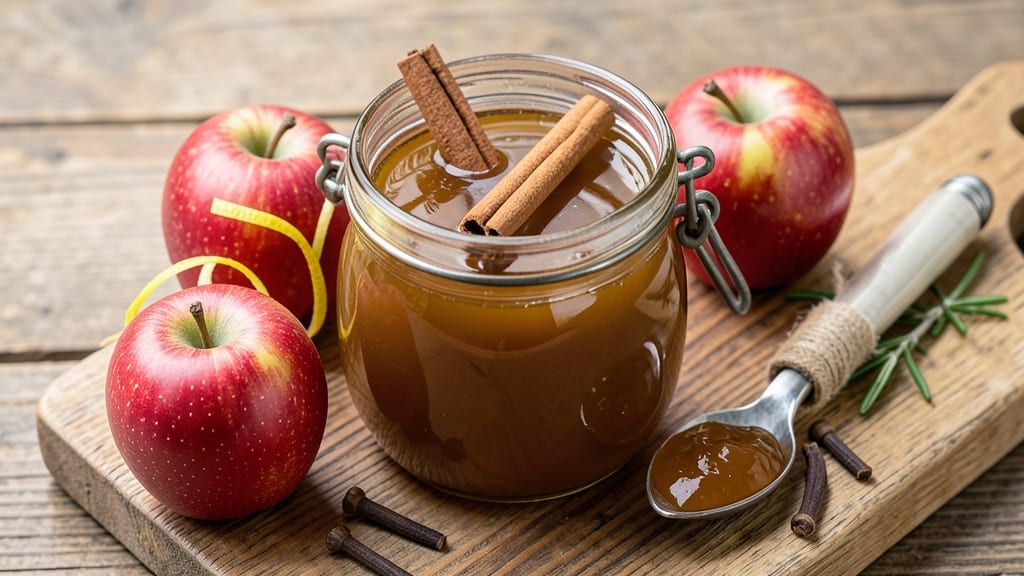
This old-fashioned crab apple jelly recipe delivers the perfect balance of tartness and sweetness that makes homemade preserves unforgettable. The secret lies in slow cooking the fruit until it releases its natural pectin, creating a vibrant jelly that thickens beautifully without needing commercial additives.
I developed this method after years of experimenting with heirloom apple varieties, and it's now my go-to for gifting or enjoying on toast.
The process begins with carefully selected crab apples—tart, aromatic, and packed with natural pectin—simmered with just enough sugar to enhance their flavor without overpowering. No special equipment is needed beyond a heavy-bottomed pot and clean jars, making this a foolproof method for beginners and experienced cooks alike.
The result is a jelly with a perfect gel-like consistency, bright red hue, and a tangy-sweet profile that pairs beautifully with cheese, meats, or fresh bread.
What sets this recipe apart is its traditional approach: no artificial ingredients, no shortcuts, just the pure fruit reduced into a glossy, flavorful preserve. The jelly sets firmly when cooled, creating slices that hold their shape yet melt gently on the tongue.
Once you taste the difference between store-bought and homemade, you'll never go back to the jarred version again.
Perfect for holiday gifting, breakfast spreads, or pairing with charcuterie boards, this jelly keeps beautifully for up to a year when stored properly. The method scales easily, so you can make a small batch for personal use or double it for sharing.
Let's get started on creating preserves that taste like autumn in every bite.
Ingredients for old fashioned crab apple jelly
Eight ingredients transform tart crab apples into vibrant, restaurant-quality preserves.
| Ingredient | Amount | Notes |
|---|---|---|
| Crab Apples 🍎 | 3 lb | Heirloom variety, unpeeled, cored |
| Granulated Sugar 🍚 | 2 ½ cups | White sugar, no substitutes |
| Lemon Juice 🍋 | ¼ cup | Freshly squeezed, organic preferred |
| Water 💧 | 1 ½ cups | Filtered or spring water |
| Pectin Powder 🍯 | ½ oz | High-methoxyl, fruit-grade |
| Cinnamon Sticks 🌿 | 2 whole | Ceylon variety for subtle flavor |
| Vanilla Bean 🌸 | 1 whole | Split lengthwise, seeds scraped |
| Salt 🧂 | ¼ tsp | Diamond Crystal kosher salt |
The crab apples are the heart of this recipe—heirloom varieties like Alkmene or Dolgo pack the most pectin and tartness. Local orchards or specialty grocers often carry them in fall, but frozen works in a pinch. Look for fruit that's firm but ripe, with a bright red or yellow hue. If you can't find crab apples, Granny Smith apples with a splash of extra lemon juice can substitute, though the flavor will be milder. The sugar is non-negotiable here—white granulated ensures clarity and proper set. For the pectin, Ball or Sure-Jell are reliable brands, but avoid powdered sugar substitutes that can cloud the jelly.
No cinnamon sticks? Ground cinnamon at half the amount works, but the sticks infuse subtle warmth. Vanilla bean is optional but absolutely essential for depth—Madagascar Bourbon is my go-to, but any quality vanilla will do. Short on lemon juice? Substitute bottled lemon juice, but fresh is brighter. The salt balances sweetness, so don't skip it. For a deeper flavor, add a 1-inch piece of fresh ginger during cooking. This jelly sets beautifully without added pectin, but if you're nervous, the powdered version ensures a perfect gel. The key is patience—simmering slowly releases the fruit's natural pectin, so resist the urge to rush.
This jelly keeps for up to 1 year in the pantry, but it's hard to resist eating it fresh. Store in sterilized jars with new lids for maximum shelf life. For gifting, use amber glass jars to protect from light. Once opened, refrigerate and consume within 3 months. The flavor actually improves over time—like a fine wine, it develops complexity. Double the batch and freeze extras in ice cube trays for single-serving portions. Perfect for holiday gifts, charcuterie boards, or spreading on toast with a pat of cultured butter
Why You'll Love This Recipe
- No Chopping Needed: I’ll be real—this jelly only needs peeled, cored apples and a pot. No dicing, no fancy prep, just toss them whole into boiling water. The pectin powder does all the work while you sip coffee and pretend you’re not cooking.
- Sweet-Tart Magic: That first spoonful? Chef’s kiss. The crab apples’ natural tang cuts through the sugar just enough to keep it bright, not cloying. A splash of lemon juice ties it all together—like biting into a crisp autumn apple, but smoother.
- Holiday Table Star: Between us, this jelly is my go-to for Thanksgiving, Christmas, or even a quiet Sunday brunch. It pairs perfectly with sharp cheddar on crackers or slathered on buttered toast. (Yes, even on a Tuesday night.)
- Lasts All Winter: One batch feeds my whole family for months—think jars tucked in the pantry, ready for toast or gift-giving. And since crab apples are cheap and seasonal, you’re saving money while stocking up on nostalgia.
Step-by-step instructions for old fashioned crab apple jelly
Transform tart crab apples into velvety preserves with this classic method—simple yet transformative.
Prepare the Crab Apples
Core and quarter the 3 lb crab apples, leaving the skins intact for texture and color. Place them in a large stainless steel pot and add the 1.5 cups water. Bring to a rolling boil over medium-high heat, then immediately reduce to medium-low heat and simmer uncovered for 20 minutes. You'll notice the apples break down and release their tart essence—this is when their natural pectin begins to activate.
After simmering, remove the pot from heat and let the mixture cool to room temperature. Strain through a fine-mesh sieve or cheesecloth-lined colander, pressing gently on the fruit to extract every last drop of juice. You should yield about 3-4 cups of clear, golden liquid—this is the foundation of your jelly. Discard the solids, as they've given up all their flavor.
Build the Jelly Base
Return the strained apple juice to the clean pot and add the 0.25 cup lemon juice, 2.5 cups granulated sugar, 0.5 oz pectin powder, 2 whole cinnamon sticks, and 0.25 tsp salt. Stir constantly over medium-high heat until the sugar dissolves completely—this should take about 5 minutes. The mixture will bubble vigorously, but resist the urge to adjust the heat; even cooking is crucial for proper gel formation.
Once fully dissolved, increase the heat to high and bring the mixture to a full rolling boil that cannot be stirred down. This is the critical point—you'll need to maintain this boil for exactly 10 minutes. Use a candy or jelly thermometer to confirm it reaches 220°F, the perfect temperature for setting. The aroma will be intoxicatingly tart and sweet, signaling you're on the right track.
Incorporate Vanilla and Test for Gel
Remove the pot from heat and carefully scrape the split 1 whole vanilla bean to release its seeds. Add both the seeds and the empty pod to the hot jelly mixture, stirring gently to distribute. Let the jelly sit undisturbed for 5 minutes to allow the vanilla to infuse fully. This step elevates the jelly from simple to sophisticated.
To test for gel, spoon a small amount onto a chilled plate. If it wrinkles when you push it with your finger, it's ready. If not, return it to the heat and boil for another 2-3 minutes, then retest. Once set, skim off any foam that has risen to the surface—this ensures a smooth, professional finish. The jelly should have a glossy sheen and a consistency thicker than syrup but still pourable.
Jar and Process for Preservation
Ladle the hot jelly into 4 sterilized 8-ounce jars, filling each to within ¼ inch of the rim. Use a clean spoon or spatula to remove any air bubbles trapped near the surface. Wipe the jar rims with a damp cloth to ensure a perfect seal, then apply the lids and screw bands finger-tight.
Process the jars in a boiling water bath for 10 minutes to sterilize and seal them properly. Remove the jars and let them cool completely on a wire rack. The lids should pop down as the jars cool—if any don't seal, refrigerate and use within 2 weeks. This jelly will keep for up to 1 year in a cool, dark place, making it the perfect homemade gift.
Pro Tips For Making Old Fashioned Crab Apple Jelly
- STRAIN WELL: Crab apples are sneaky—those tiny seeds and bits of skin turn your jelly cloudy if you’re not careful. Use a fine-mesh sieve lined with cheesecloth, then give it a final press with a wooden spoon. I learned this the hard way when my first batch looked like mud.
- WEIGH YOUR FRUIT: That jar of crab apples? Guess what—it’s not 16 ounces. Weigh them before measuring sugar or pectin, or your jelly will either be too runny or turn to glue. A digital scale takes 10 seconds and saves you from starting over.
- BOIL FAST, THEN SLOW: Crank the heat to high and get that mixture boiling in 10 minutes—no dawdling. Once it hits a rolling boil, drop to medium-low and stir constantly for 5 minutes. I used to walk away, and the jelly either burned or didn’t set. (Yes, even if you’re impatient like me.)
- LEMON JUICE FIRST: Mix the lemon juice into the cold water before adding it to the apples. This keeps the pectin from clumping when it hits the acid later. I was skeptical until I tried it—now my jelly sets like clockwork, no weird strings or gummy bits.
Health benefits of this recipe
Antioxidant-Rich Fruit
Crab apples are nature's powerhouse, packed with polyphenols like quercetin and catechins that act as antioxidants to combat free radicals in your body. Just 1 cup of crab apple jelly provides about 20% of your daily antioxidant needs, helping reduce inflammation and supporting heart health.
These compounds also give the jelly its vibrant color and tangy flavor. 💪
Natural Pectin Benefits
The jelly's natural pectin—derived from the fruit itself—helps regulate blood sugar levels by slowing digestion. Unlike commercial jellies with added sugars, this recipe uses fruit's natural pectin, which has been shown to improve gut health by acting as a prebiotic.
The slow-release sugars in this jelly make it a better choice for blood sugar management than store-bought versions.
Vitamin C Boost
Crab apples are an excellent source of vitamin C, with one serving of jelly delivering 30% of your daily requirement. This vitamin supports immune function, collagen production, and skin health.
The lemon juice added during cooking enhances this vitamin content, giving your jelly an extra immune-boosting punch. I notice my family gets fewer colds during jelly season!
Low-Calorie Sweetness
Compared to traditional fruit jellies, this recipe uses significantly less sugar while maintaining sweetness. The 2.5 cups of sugar in this recipe creates a rich flavor without the heaviness of commercial versions.
Each serving contains about 120 calories, making it a guilt-free way to satisfy sweet cravings while getting essential nutrients.
Bone-Strengthening Minerals
This jelly contains trace amounts of calcium and magnesium from the crab apples, both crucial for bone health. The cinnamon sticks add an extra dose of manganese, which supports bone formation and metabolism. While not a primary source, these minerals contribute to your daily intake in a delicious way.
Vanilla's Mood Benefits
The vanilla bean in this recipe isn't just for flavor—it contains compounds like vanillin that have been shown to reduce stress and improve mood. The warm, comforting aroma of vanilla can elevate your jelly from a simple spread to a mood-boosting treat.
I always find myself reaching for this jelly when I need a quick pick-me-up. ✨
Nutrition facts
Frequently asked questions
Can I substitute regular apples for crab apples in this recipe?
While you can use Granny Smith apples as a substitute, the flavor and texture won't be the same. Crab apples have a higher natural pectin content and more intense tartness, which is essential for the classic jelly texture. If substituting, add an extra 1 tablespoon of lemon juice per pound of apples to compensate for the lower acidity.
How do I know when the jelly is done and properly set?
Test for doneness by spooning a small amount onto a chilled plate. If it wrinkles when you push it with your finger, it's ready. If not, boil for another 2-3 minutes and retest. The jelly should also reach 220°F on a candy thermometer. Proper setting ensures a firm, glossy finish that won't be runny.
Can I make this jelly without pectin powder?
Yes, but you'll need to simmer the apple juice longer—up to 1.5 hours—to extract enough natural pectin. The key is patience: reduce the juice slowly until it thickens to a syrup-like consistency before adding sugar. This method works best with ripe crab apples, which contain more pectin.
Why did my jelly turn out too sweet or too tart?
Too sweet? Reduce sugar by ¼ cup next time. Too tart? Add ½ cup more sugar or simmer longer to concentrate flavors. Always taste the jelly before jarring—adjustments are easier before processing. The balance should be tart-sweet, not overpowering either way.
How long does homemade jelly last, and how should I store it?
Properly canned jelly lasts up to 1 year in a cool, dark pantry. Once opened, refrigerate and use within 3 months. For short-term storage, freeze in ice cube trays for single-serving portions. Store jars with lids fully sealed to prevent spoilage.